Can’t stop munching on chocolates or other unhealthy snacks? Blame your DNA, say scientists who have identified gene variants that influence our foods choices and dietary habits. Researchers from Autonomous University of Madrid in Spain analysed the genetics of about 818 men and women of European ancestry, and gathered information about their diet using a questionnaire. They found that the genes they studied did play a significant role in a person’s food choices and dietary habits. For example, higher chocolate intake and a larger waist size was linked to certain forms of the oxytocin receptor gene, and an obesity-associated gene played a role in vegetable and fibre intake, researchers said. They also observed that certain genes were involved in salt and fat intake. ALSO READ|Health benefits of dark chocolate: it may protect your brain from ageing “Most people have a hard time modifying their dietary habits, even if they know it is in their best interest,” said Silvia Berciano, from Autonomous University of Madrid. “This is because our food preferences and ability to work toward goals or follow plans affect what we eat and our ability to stick with diet changes,” Berciano said. “Ours is the first study describing how brain genes affect food intake and dietary preferences in a group of healthy people,” she said. The findings could be used to inform precision-medicine approaches that help minimise a person’s risk for common diseases – such as diabetes, cardiovascular disease and cancer – by tailoring diet-based prevention and therapy to the specific needs of an individual, researchers said. “The knowledge gained through our study will pave the way to better understanding of eating behaviour and facilitate the design of personalised dietary advice that will be more amenable to the individual, resulting in better compliance and more successful outcomes,” Berciano said. For all the latest Lifestyle News, download Indian Express App now Blame your genes. (Source: Thinkstock Images)
Thứ Hai, 24 tháng 4, 2017
Love chocolate and junk food? You can now blame your DNA
Chủ Nhật, 23 tháng 4, 2017
Breast milk may help early detection of cancer
Protein markers in breast milk can help detect breast cancer at an early stage and even predict if a woman is at risk of the deadly disease, a new study has found. Objective detection of breast cancer in young women in the early stages is challenging as mammography and imaging techniques are less effective because young women have dense breast tissue and there is a possible relationship between pregnancy and BC risk, researchers said. One of the potential options for detection of BC is biochemical monitoring of protein markers in different types of bodily fluids such as serum, nipple aspirate fluid and ductal lavage fluid, tear, urine, saliva and breast milk. Researchers, including those from University of Massachusetts Amherst in the US, investigated biochemical signatures of breast cancer that are detectable in breastmilk. They compared breastmilk samples from women with breast cancer, women without breast cancer and women who were later diagnosed with breast cancer. The team then identified alterations in protein expression in breastmilk when a woman has – or will soon develop – breast cancer which might be due to cancer risk or development. Breast milk provides access to breast tissue in the form of exfoliated epithelial cells that are the origins of the most types of breast cancers, researchers said. Analysis of breast milk is a non-invasive method that could be used for cancer diagnosis. After further validation, the method could offer a new, non-invasive approach to breast cancer screening for women in their childbearing years. For all the latest Lifestyle News, download Indian Express App now This new method could offer a new, non-invasive approach to breast cancer screening for women. (Source: Thinkstock Images)
Health benefits of dark chocolate: it may protect your brain from ageing
Chocoholics, take note! Eating dark chocolate may protect your brain from age-related stress and inflammation that are thought to play an important role in the neurodegenerative disorders such as Alzheimer’s disease. The findings may help explain the beneficial effects on memory seen in people who consume dark chocolate, researchers said. Oxidative stress and inflammation increase with ageing and are thought to play an important role in the development of neurodegenerative diseases such as Alzheimer’s disease. In a new study, researchers from the University of California San Diego in the US showed that the epicatechin (Epi), a flavanol found in foods such as dark chocolate, reduced damaging oxidative stress and neuroinflammation in a mouse model of ageing. Just two weeks of treatment with epicatechin not only suppressed levels of oxidative stress and neuroinflammation that would normally be increased in this mouse model, but also improved memory and anxiety levels in the mice. “We previously reported on the beneficial effects of treatment with the cacao flavanol on ageing-induced oxidative stress and capacity to restore modulators of mitochondrial biogenesis in the prefrontal cortex of 26-month-old mice,” researchers said. “In the current study, using a similar mouse model of ageing, we examined the capacity of Epi to mitigate hippocampus oxidative stress and inflammation leading to improved memory and anxiety levels,” they said. Male mice underwent two weeks of treatment and samples of their brains were collected for the assessment of relevant endpoints. The assessment of the OS markers protein carbonyls and malondialdehyde levels show significant increases with ageing that are suppressed by Epi. Altogether, results evidence a unique capacity of Epi to significantly mitigate neuroinflammation leading to improved brain function. The research was published in the journal Experimental Biology. For all the latest Lifestyle News, download Indian Express App now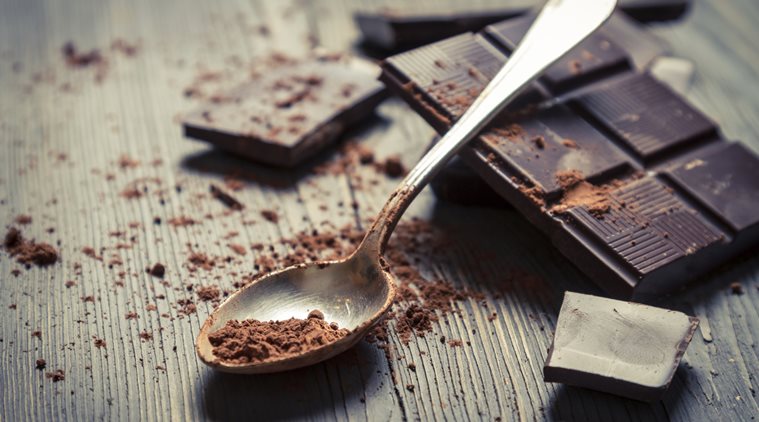 Oxidative stress and inflammation increase with ageing and are thought to play an important role in the development of neurodegenerative diseases such as Alzheimer’s disease
Thứ Bảy, 22 tháng 4, 2017
Super 7 health benefits of mint leaves or pudina in summers
Pudina (mint leaves) aids in digestion, improves oral health, treats cold and more, say experts. JLN Sastry, Head of Healthcare Research, Dabur Research and Development, and Parameshwar Arora, Senior Ayurveda Consultant, Sir Gangaram Hospital, Delhi have shared a list of benefits you can get from pudina. ALSO READ | Express recipe: How to make the refreshing Mint Melon Cocktail * Mint leaves are loaded with anti-oxidants and phytonutrients which provide relief to the stomach muscles and help in digestion. It soothes the stomach instantly and works wonders when it comes to treating tummy troubles. For example, pudina chutney that is served with samosa is not only just to enhance our taste buds but for better digestion of the junk food. * The herb is a naturally soothing substance, so it can alleviate the inflammation and temperature rise that is often associated with headaches and migraines. ALSO READ | Express Recipes: How to make Pudina Paneer * Improving the health of a person’s mouth is a well-known benefit of mint. Since it has germicidal qualities and quickly freshens breath, it adds to oral health by inhibiting harmful bacterial growth inside the mouth and by cleaning the tongue and teeth. * Pudina can become your go-to ingredient to treat cough and cold. * The anti-inflammatory and anti-bacterial properties work wonders for acne-prone skin. Also, when applied topically, mint has the effect of calming and cooling the skin affected by insect bites, a rash or other reactions. * Pudina is one of those herbs which not only has general benefits but also has therapeutic values. If people have any kind of digestion problem like gas formation, indigestion, vomiting and diarrhoea, pudina can be used effectively in different formats. * In any person if there’s a tendency of bloating, abdomen pains, nausea or vomiting on empty stomach or after food, consuming pudina can be an effective remedy. For this purpose, pudina leaves can be consumed after being soaked in water or can be used in the form of arq (made by distillation process) or in the form of juice from leaves. For all the latest Lifestyle News, download Indian Express App now Oranges with glass of juice and green mint leaves
Thứ Sáu, 21 tháng 4, 2017
Drinking diet soda? It may be poor for your memory
If you thought switching to diet soda can help you avoid the ill effects associated with sugary soft drinks, think again! Researchers have found that while drinking sugary beverages frequently may lead to poorer memory, daily intake of diet soda may increase the risk of stroke and dementia. Both sugary and diet drinks correlated with accelerated brain ageing, according to the findings published in two separate studies. ALSO READ | Teenagers drink a bathtub of sugary drinks a year People who drink sugary beverages frequently are more likely to have poorer memory, smaller overall brain volume, and a significantly smaller hippocampus — an area of the brain important for learning and memory, said the study published in the journal Alzheimer’s & Dementia. A follow-up study, published in the journal Stroke, found that people who drank diet soda daily were almost three times as likely to develop stroke and dementia when compared to those who did not. Scientists have put forth various hypotheses about how artificial sweeteners may cause harm, from transforming gut bacteria to altering the brain’s perception of “sweet,” but “we need more work to figure out the underlying mechanisms”, said Boston University’s Matthew Pase, who is lead author on the two studies. For the studies, researchers used data from the Framingham Heart Study (FHS), a study that aims to identify common factors or characteristics that contribute to cardiovascular disease (CVD). “These studies are not the be-all and end-all, but it’s strong data and a very strong suggestion,” said Sudha Seshadri, Professor at Boston University School of Medicine (MED) in the US. “It looks like there is not very much of an upside to having sugary drinks, and substituting the sugar with artificial sweeteners doesn’t seem to help,” Seshadri, who is senior author on both papers, said. Excess sugar has long been associated with cardiovascular and metabolic diseases like obesity, heart disease and Type-2 diabetes, but little is known about its long-term effects on the human brain. He chose to study sugary drinks as a way of examining overall sugar consumption. “It’s difficult to measure overall sugar intake in the diet,” he says, “so we used sugary beverages as a proxy.” For the first study, published in Alzheimer’s & Dementia, researchers examined data, including magnetic resonance imaging (MRI) scans and cognitive testing results, from about 4,000 people enrolled in the Framingham Heart Study’s Offspring and Third-Generation cohorts. The researchers looked at people who consumed more than two sugary drinks a day of any type — soda, fruit juice and other soft drinks — or more than three per week of soda alone. Among that “high intake” group, they found multiple signs of accelerated brain ageing, including smaller overall brain volume, poorer episodic memory, and a shrunken hippocampus, all risk factors for early-stage Alzheimer’s disease. Researchers also found that higher intake of diet soda — at least one per day — was associated with smaller brain volume. In the second study, published in the journal Stroke, the researchers, using data only from the older Offspring cohort, looked specifically at whether participants had suffered a stroke or been diagnosed with dementia due to Alzheimer’s disease. They found that people who drank at least one diet soda per day were almost three times as likely to develop stroke and dementia. For all the latest Lifestyle News, download Indian Express App now Love to drink diet soda? (Source: Thinkstock Images)
Mild or severe acidity? Banana to coconut water, here’s what you should eat
Avoid chances of acidity during the hot days by indulging in bananas, melons and coconut water, say experts. ALSO READ | Diet diary: Getting the acidic-alkaline balance right Mehar Rajput, nutritionist and dietitian, FITPASS – app for fitness enthusiasts, and Prerna Arora, dietician and nutritionist, Konsult App, which connects doctors and patients, shares a list: * Bananas: It is the best antidote for acid reflux and is great for snacking purposes. Potassium in bananas produces mucous in the lining of the stomach, thus lowering the pH levels in the body. Also, bananas are high on fibre and a great source of roughage. Eating over-ripe bananas during summer is the best way to keep acidity at bay. * Melons: Melons such as cantaloupe, musk melon and watermelon are high on anti-oxidants and fibre, and help avoid acid reflux and other stomach ailments by maintaining the mucous membrane. The cooling properties and high water content in these fruits help hydrate the body and reduce pH levels. Other fruits such as apple and papaya are also great sources of fibre and aid in preventing acidity. * Coconut water: This refreshing natural drink has cleansing properties that help flush out toxins from your body. Coconut water is also rich in fibre content and helps with regular bowel movements. * Cold milk: Milk is another excellent way to combat acidity. Milk absorbs acid formation in the stomach, stopping any reflux or burning sensation in the gastric system. Anytime you feel an acid formation in the stomach or heartburn coming on, have a glass of plain cold milk without any additives or sugar. * Buttermilk and curd: Besides milk, other milk products (except cheese) like curd and buttermilk also provide relief from acidity. These products cool the stomach and the natural bacteria in them do not allow acid formation. They help in keeping the overall digestive system healthy. Having curd and buttermilk regularly after meals is a great way to avoid chances of acidity in the long run too. * Say no to food carts: Though these should be avoided all year round, they are definitely a strict no-no during summer season. Rise in temperature goes hand-in-hand with water scarcity, which in turn means compromise on washing properly in the kitchen. And that can have a bad effect on your system when you eat food that is not washed properly before cooking or cooked by hands that have been not thoroughly cleaned. Gastroenteritis, amoebic dysentery and diarrhoea are common during this time of the year. * Swap juice for whole fruit instead: In summer, you often spot house flies especially in markets near food vendors. They are major germ carriers and thus, people should be careful when having juice outside. Instead of cutting fruits or blending them into juice you should rather try to eat whole fruits to keep infections at bay. For all the latest Lifestyle News, download Indian Express App now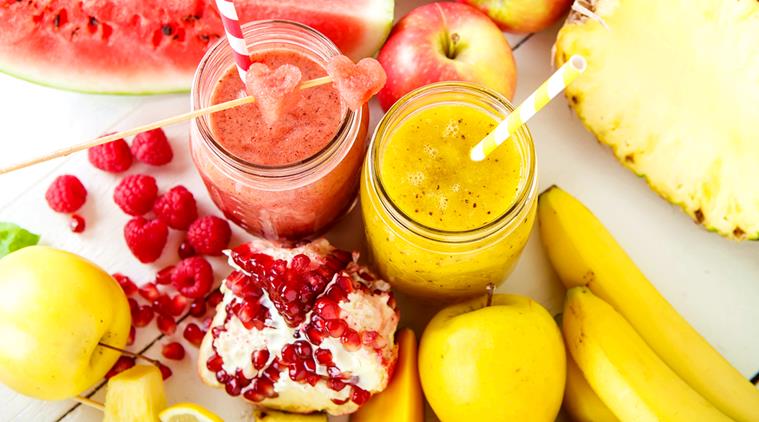 These foods are the best antidote for acid reflux. (Source: Thinkstock Images)
Macrobiotic diet: Yin and Yang approach to healthy eating
In the 1880s, Japanese doctor Ishizuka claimed he could treat several common health problems with a predominantly vegetarian diet, based on whole grains, cereals and vegetables. He published two books on his healing principles. In the 1950s, American-Japanese writer George Ohsawa turned to the diet after doctors had given up on him when he was suffering from Tuberculosis. He recovered and believed that Ishizuka’s food doctrine was responsible. Ohsawa termed Ishizuka’s ideas as “Macrobiotic” — from the Greek makrobiotikos meaning ‘long-lived.’ The macrobiotic way of eating essentially draws from the eastern Vedic approach to health and healing. The diet is believed to increase energy, resistance to illness and allowing one live a full life in balance. It is based on the Chinese philosophy of the two opposing yet complementary forces — Yin and Yang. Yin is the female force, representing darkness, cold and tranquility, while Yang is masculine and represents light, heat and aggression. As per the Chinese philosophy, people who are predominantly Yang tend to be active, alert and energetic, while people who are predominantly Yin are pale and often feel cold. The health and harmony of both body and mind are believed to depend on a balance between the two forces. According to macrobiotic philosophy, food also contains Yin and Yang qualities. For example, foods with high Yin content include sugar, tea, alcohol, coffee, milk, cream, yoghurt and most herbs and spices, while foods with a high Yang content include red meat, poultry, fish, and shellfish, eggs, hard cheeses and salt. Foods that are thought to contain a harmonious balance of yin and yang are: whole grains, cereals and millets — brown rice, oats, rye, buckwheat, whole wheat; fresh fruits; nuts and seeds; vegetables and pulses. The Yin/Yang classification is not related to nutrient content but based on the following — the food’s colour, pH, shape, size, taste, temperature, texture, water content and weight, the region and the season in which it was grown and how it is prepared and eaten. The macrobiotic diet is composed of whole grains (50-60 per cent of each meal), vegetables (25 – 30 per cent of each meal, pulses in the form of legumes (including soyabean), peas and lentils (5-10 per cent) of daily food. Nuts and seeds (small amounts as snacks), miso (fermented soyabean) soup, herbal teas and small amounts of white meat, seafood, poultry once or twice weekly all make up the diet. Bean sprouts are useful adjuncts. Sea vegetables like arame, hijki, kombu, nori and wakame provide texture, flavour and essential nutrients. Animal products are used as condiments, rather than as main dishes. The diet varies with the climate and season and emphasizes minimum use of chemical preservation and unnecessary food processing. It discourages dairy, meat, artificial sweeteners, genetically modified foods and refined sugars. The macrobiotic diet encompasses more than just food. It advocates the belief that digestion and assimilation are aided by slow eating in a peaceful, harmonious atmosphere and that these are fundamental to spiritual and physical well-being. A macrobiotic diet lays emphasis on plant food. It is low in calories and saturated fats, and rich in complex carbohydrates (starch and fibre). This makes it useful for reducing the risk of obesity, cancer, high cholesterol, high blood pressure and gastrointestinal complaints including constipation. It has been shown to be beneficial in cancer prevention particularly prostrate cancer and in reducing the risk of colon cancer by 25 per cent. The diet, however, lacks certain vitamins and minerals, and supplements are often required. Strict adherence to the diet and its bulky nature may result in deficiencies of protein, vitamin B12 (for a healthy nervous system), vitamin D (for bones) and minerals like zinc, calcium and iron (healthy blood). Those at risk are children and those with increased nutritional needs like pregnant or breastfeeding women or those suffering from illness. Nevertheless, the ‘modified macrobiotic diet’ used today varies and is customised to personal needs and is more flexible. Needless to say that it needs to be customised to individual needs by a qualified nutritionist. For all the latest Lifestyle News, download Indian Express App now Different type of groats: rice, semolina, wheat, oatmeal, oat, buckwheat. Top view
Thứ Năm, 20 tháng 4, 2017
Fighting cancer? Pepper plant found to have anti-cancer properties
US scientists have discovered a chemical in pepper plant, called long pepper, having anti-cancer properties, whose medicinal properties date back thousands of years. According to researchers, the secret lies in a chemical called Piperlongumine (PL), which has shown activity against many cancers including prostate, breast, lung, colon, lymphoma, leukemia, primary brain tumours and gastric cancer. ALSO SEE | 20 superfoods that can help prevent cancer Using X-Ray crystallography, the researchers were able to create molecular structures that showed how the chemical is transformed after being ingested. The PL converts to hPL, an active drug that silences a gene called GSTP1, which produces a detoxification enzyme that is often overly abundant in tumours. ALSO READ | World Cancer Day: What to eat and what to avoid to keep the disease at bay “We are hopeful that our structure will enable additional drug development efforts to improve the potency of PL for use in a wide range of cancer therapies,”said Dr Kenneth Westover from the University of Texas’s southwestern medical centre. Adding, “This research is a spectacular demonstration of the power of x-ray crystallography,” Westover added. Long pepper, commonly found in India, is used as a spice in some Indian, North American, Indonesian and Malaysian foods, but is rarely used in European dishes. “The study illustrates the importance of examining and re-examining our theories. In this case we learned something fundamentally new about a 3,000-year-old medical claim using modern science.” “Pippali is an important drug in Ayurveda. It is one of the ingredients of Trikatu, the three pungents. It is used in digestive disorders, respiratory disorders and also for diseases of the liver,” Director-Research Dr. Ram Manohar from Amrita School of Ayurveda in Kerala told Indian Science Journal. “But the most important finding about Pippali in Ayurveda is said to be a powerful Rasayana. Substances that have Rasayana property can work as immunomodulators, help in regeneration of cells and organs and also can work at the level of the genes,” said Dr Manohar. “Pippali as a Rasayana has been found to be effective in chronic and debilitating diseases of the lungs and liver including cancer in clinical practice,” Dr Manohar explained. To get such benefits, Pippali has to be administered as a Rasayana. Some precautions have to be taken to help the body to withstand the strong action of drug. This procedure of administration is called Vardhamana Pippali Rasayana. Pippali is administered in small dose, which is gradually increased to a specific dosage and then reduced and tapered, he added. For all the latest Lifestyle News, download Indian Express App now Pippali is an important drug in Ayurveda. (Source: Thinkstock Images)
World Liver Day: How to protect your liver and keep it healthy
According to WHO, liver disease is the 10th most common cause of death in India. World Liver Day, commemorated on April 19 every year, is a chance to build awareness and understand how important the liver is for our body and how liver diseases can be effectively managed. Liver is the second largest organ in the body and is a key player in our body’s digestive system. Everything we consume, including medicine, passes through the liver. It fights infections, regulates blood sugar, removes toxins, controls cholesterol, making proteins and releases bile to help digestion. We cannot survive without the liver, it can be easily damaged if we don’t take proper care. Symptoms of liver damage do not present themselves till very late. Diseases such as hepatitis A, B, C, Hepatocellular cancer and cirrhosis often occur because of bad lifestyle choices, excessive consumption of alcohol and drugs, continuous intake of unhealthy food over a long period of time, sedentary lifestyle and lack of exercise. Currently, there is no cure for a severely diseased liver and therefore it is critical to take care of this multi-functionary organ and gland. The only way to manage a failed liver is to get a liver transplant. This World Liver Day, understand your liver and how to take care of it: Causes for liver disease: * Can be inherited or genetic Symptoms of liver disease and liver cancer: Preventing liver disease and tips for liver care Dr Vivek Vij, director, liver transplant, Fortis Escorts Heart Institute, New Delhi, says, “A key player in the digestive system of the human body, the liver processes everything we eat and drink including medication. It is impossible to survive without the functioning of the liver and it is an organ which needs to be well maintained and taken care of. Due to the fact that it is a multi-functionary organ, it is susceptible to viruses, toxic substances, contaminants present in food and water. However even when it is under siege, the liver is slow to complain as it is a tough, hardy part of our body. Often, people with liver problems are unaware of any problem as they will experience few or no symptoms. While there have been major advances in treating liver diseases, there is no complete cure. Therefore, it is very important to make healthy lifestyle choices to prevent liver damage, and getting the necessary vaccines against viruses which can cause liver disease.” Dr Gourdas Choudhri, director and HOD, Department of Gastrointestinal and Hepatobiliary Sciences, says, “Liver cancer today is the fifth most common cancer claiming millions of lives annually. Recent developments in the diagnosis and treatment has helped to cure many patients. Remaining vigilant and getting health check-ups done regularly can help in the early detection of liver cancer. A second factor to remember is that liver cancer occurs almost always in diseased livers. The importance of checking and screening for Hepatitis B and C as well as taking early and sustained care of the liver through a healthy, active lifestyle, therefore, cannot be over-emphasised.” For all the latest Lifestyle News, download Indian Express App now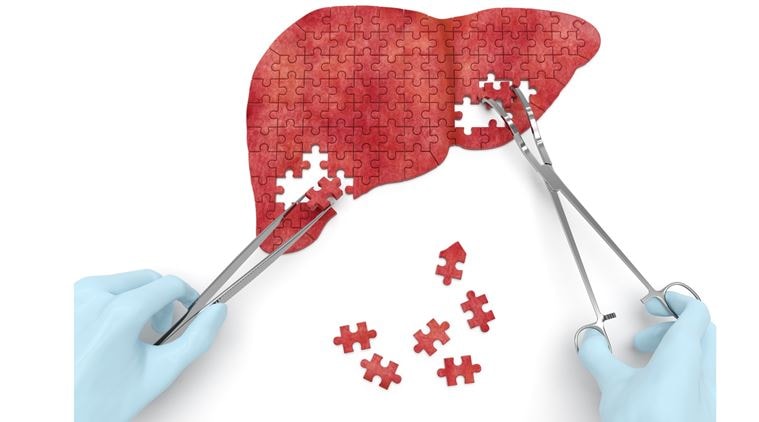 This World Liver Day, understand your liver and how to take care of it. (Source: Thinkstock Images)
* Unhealthy lifestyle and eating patterns
* Hepatitis A, B and C infections
* High intake of alcoholic drinks, high cholesterol foods
* High BMI (body mass index), which is associated with Type 2 diabetes risk
* Obesity
* Sudden weight loss
* Decrease in appetite or a feeling of fullness after a small meal
* Nausea and vomiting
* General weakness and fatigue
* Pain in upper abdomen (right side or near right shoulder blade)
* Enlarged liver (hepatomegaly)
* Enlarged spleen
* Abdominal swelling (ascites)
* Adopt healthy lifestyle and have a balanced diet
* Eat foods from all the food groups: grains, proteins, dairy products, fruits, vegetables and fats. Include green leafy vegetables, broccoli, cauliflower, cabbage, carrot, apple and walnut in your diet.
* Eat foods that have lot of fibres such as fresh fruits and vegetables, whole grain breads, rice and cereals such as quinoa, millet and buckwheat
* Ensure safe blood transfusions to avoid contracting hepatitis A, B, C
* Maintain personal hygiene and be sure to wash hands after using the washroom
* Avoid tap water when travelling
* Say no to alcohol, tobacco and drugs
* Exercise regularly
Thứ Tư, 19 tháng 4, 2017
Amid WHO praise for tackling tropical disease, concern over rise in leprosy
While India earned an honourable mention in a new WHO report on neglected tropical diseases (NTD), it is also one of the handful of countries around the world that have shown an increase in leprosy cases. The number of leprosy cases in India went up from 1,25,785 to 1,27,326 between 2014 and 2015. The report, which was released on the occasion of the second WHO partners meeting on Neglected Tropical Diseases (NTD), also talked about the fact that India was certified free of Yaws in 2015. Yaws is a debilitating childhood infection that affected 46,000 people from 8 countries in 2015. This is the fourth NTD report. The meeting is being attended by ministers, Pharmaceutical companies and charitable organisations from across the world to make new commitments on ending NTDS — 18 as defined by WHO — on the occasion of five years of the London Declaration where partners came together to sign a commitment to end ten of these diseases that affect India and Africa. According to WHO estimates, one in six people suffer from NTDs worldwide including more than half a billion children. Among the 18 NTDs the ones that are of concern to India apart from Yaws and leprosy are dengue, chikungunya and viral leishmaniasis. India’s efforts to eradicate viral leishmaniasis, commonly known as kala azar, have also been commended in the new report — since 2008 VL cases in India, Bangladesh and Nepal have come down by 82%, the report notes, crediting “improvement in vector control, social mobilisation of village volunteers, collaboration with other NTD programmes and drug donations from industry partners.” In fact in January this year, a new Guinness world record was created for the highest number of drug doses donated in 24 hours. The WHO target for VL elimination is 2020 but India has set its sights on eliminating it by the end of this year, a roadmap laid down both in the budget speech and the recently unveiled National Health Policy. It is an ambitious target, says Dr Dirk Engels director of the department o control of NTDs, at. WHO. “But there is nothing wrong with ambitious targets,” he is quick to add. There was no ministerial participation from India at the partners meeting with officials of the Directorate General of Health Services representing the Indian health ministry. At the partners meet new resource commitments were made, with the United Kingdom announcing additional $205 million and Bill Gates announcing another $330 million. The Belgian government also pledged an additional $27 million. For all the latest Lifestyle News, download Indian Express App now Among the 18 NTDs the ones that are of concern to India apart from Yaws and leprosy are dengue, chikungunya and viral leishmaniasis. (File)
Air pollution can lead to chronic sinus problems
People living in places like New Delhi or Beijing may be at greater risk of developing chronic sinus problems due to high levels of air pollution in these cities, say researchers. In the study, published in the American Journal of Respiratory Cell and Molecular Biology, the researchers found evidence that breathing in dirty air directly causes a breakdown in the integrity of the sinus and nasal air passages in mice. ALSO READ | Air pollution may lower ‘good’ cholesterol increasing heart disease risk “In the US, regulations have kept a lot of air pollution in check, but in places like New Delhi, Cairo or Beijing, where people heat their houses with wood-burning stoves, and factories release pollutants into the air, our study suggests people are at higher risk of developing chronic sinus problems,” said Murray Ramanathan, Associate Professor at the Johns Hopkins University School of Medicine. Researchers have long known that smog, ash and other particulates from industrial smokestacks and other sources that pollute air quality exacerbate and raise rates of asthma symptoms, but had little evidence of similar damage from those pollutants to the upper respiratory system. To see how pollution may directly affect the biology of the upper airways, the researchers exposed mice to either filtered air or polluted air. The aerosolised particles, although concentrated, were 30 to 60 percent lower than the average concentrations of particles of a similar size in cities like New Delhi, Cairo and Beijing, the researchers said. Nineteen mice breathed in filtered air, and 19 breathed polluted air for six hours per day, five days a week for 16 weeks. The researchers used water to flush out the noses and sinuses of the mice, and then looked at the inflammatory and other cells in the flushed-out fluid under a microscope. They saw many more white blood cells that signal inflammation, including macrophages, neutrophils and eosinophils, in the mice that breathed in the polluted air compared with those that breathed in filtered air. When the researchers examined layers of cells along the nasal passages and sinuses under a microscope, they found that the surface layer – or epithelium – was, notably, 30 to 40 per cent thicker in mice that breathed in polluted air than in those that breathed filtered air. A thicker epithelium is another sign of inflammation in humans and other animals, Ramanathan said. “We’ve identified a lot of evidence that breathing in dirty air directly causes a breakdown in the integrity of the sinus and nasal air passages in mice,” Ramanathan said. “Keeping this barrier intact is essential for protecting the cells in the tissues from irritation or infection from other sources, including pollen or germs,” he explained. For all the latest Lifestyle News, download Indian Express App now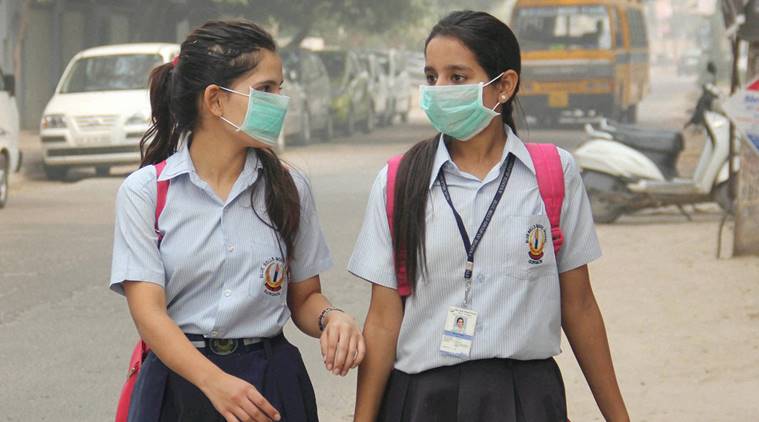 Cities like New Delhi and Beijing are more affected by air pollution. (Source: File/PTI)
Thứ Ba, 18 tháng 4, 2017
Eat healthy, live more: Don’t wait for illness to start caring about health
Health plays a crucial role in building your self-confidence, living a longer life, having more energy, being less stressed and feeling emotionally happier. People should adopt preventive healthcare measures at an early age in order to keep rising lifestyle disorders at bay. However, the “Wellness in India Survey 2017” conducted by drug company Himalaya and market research firm IMRB revealed that 68 per cent of urban citizens do not practice preventive healthcare measures. ALSO READ | In a path-breaking discovery, scientists turn spinach leaves into beating heart tissues The survey involving 896 urban and semi-urban people belonging to the age group of 20-55 years assessed awareness of wellness and lifestyle issues affecting their overall well-being. The survey — conducted in three cities, Mumbai, Delhi and Bengaluru — also showed that the lack of self-motivation as well as time constraints were the key barriers to adopting preventive measures. So there is a need for a shift in our lifestyle to add preventive healthcare measures such as eating healthy in our daily life, the key benefits of which are: Helps in reducing the lifestyle disorders: Constantly suffering from lifestyle problems can affect our overall well-being. According to the Himalaya Wellness in India survey, 65 per cent of those who practiced preventive healthcare measures took them up with the hope of dealing with regular spells of fatigue, abnormal blood pressure, weight management issues, etc. One can combat these problems by opting for herbal products rich in “Amalaki” (Indian gooseberry) and “Guduchi” (Tinospora cordifolia, commonly known as heart-leaved moonseed), which help in building a stronger immune system. Elevates general mood: A healthy body and mind are co-dependent. Research has proven that a person who maintains his health faces fewer mood swings and has better emotional stability. Regular intake of herbs like “Ashwagandha” (Withania somnifera) help in rejuvenating your mind and body. Increases mental efficiency: An unhealthy body also affects your mind. The results of the Himalaya Wellness study released in February this year showed that 35 per cent of the respondents faced decreased mental efficiency before they switched to preventive healthcare measures. A healthy body helps in maintaining mental stability and concentrating on your work more efficiently. Make a habit of consuming herbs like “Brahmi” (Bacopa monnieri), which helps improve alertness and focus better. Helps achieves overall beauty: People generally associate beauty with external aspects. They tend to forget the essential elements of looking good, which include clean and clear skin, nourished hair, and glowing face. These can be attained when your body is healthy from within. In the Himalaya Wellness study, 49 per cent of the respondents who adopted preventive healthcare measures said these measures had helped them look good from within. The consumption of herbs like Neem helps purify the body in a natural way. Improves self-confidence: Most of the time, your health affects your self-esteem and confidence as well. Leading a healthy lifestyle goes a long way in improving your self-confidence. A sound preventive healthcare regime can help you to achieve the confidence you want. Do not wait for an illness to start caring about your health. Be proactive and practice preventive healthcare in order to achieve overall well-being. For all the latest Lifestyle News, download Indian Express App now A healthy body and mind are co-dependent. (Source: Thinkstock Images)
Restricting trans fats cuts heart attack risks: Study
Hospitalisation for heart attacks and strokes is less common among people living in areas that restrict trans fats in foods compared to residents in areas without restrictions, new research has found. “Our study highlights the power of public policy to impact the cardiovascular health of a population,” said lead author Eric Brandt from Yale School of Medicine in New Haven, Connecticut, US. Trans fatty acids, or trans fats, are commonly found in fried foods, chips, crackers and baked goods. Eating even minimal amounts is linked to a greater risk of cardiovascular disease, the leading cause of death worldwide. Some communities in the US — most notably New York City — have eliminated the use of trans fats in restaurants and eateries in recent years. To study the impact of restricting trans fats, researchers compared outcomes for people living in New York counties with and without the restrictions. Using data from the state department of health and census estimates between 2002 and 2013, the researchers focused on hospital admissions for heart attack and stroke. They found that three or more years after the restrictions were implemented, people living in areas with the bans had significantly fewer hospitalizations for heart attack and stroke when compared to similar urban areas where no limits existed. The decline for the combined conditions was 6.2 per cent, said the study published in the journal JAMA Cardiology. “It is a pretty substantial decline,” Brandt said. “The results are impressive, given that the study focused on trans fatty acid bans in restaurants, as opposed to complete bans that included food bought in stores,” senior author Tamar S. Polonsky, Assistant Professor of Medicine at the University of Chicago, added. “If we enact a more complete restriction on trans fatty acids, it could mean even more widespread benefits for people,” Polonsky said. For all the latest Lifestyle News, download Indian Express App now Some communities in the US — most notably New York City — have eliminated the use of trans fats in restaurants and eateries in recent years. (Source: File Photo)
Stricter norms to combat beedi smoking needed: Study
A recent Lancet study has recommended stricter controls and regulation to dissuade people from smoking beedies, which it said, caused health problems including respiratory ailments. Severe respiratory impairment, significant cardio-respiratory conditions and follow-up mortality were found among beedi smokers as against cigarette smokers and non-smokers, said a study in the Lancet Global Health journal. The largest-ever prospective international community-based cohort study of its kind covered as many as 14,919 men across five centres in India, including Thiruvananthapuram besides one each in Bangladesh and Pakistan, a release said here. “The health and economic burden caused due to beedi smoking are tremendous”, said Dr Sanjeev Nair, from the Department of Pulmonary Medicine, Thiruvananthapuram Medical He advocated stricter controls and regulation on beedi smoking, saying increasing taxes to dissuade consumption would be a welcome policy initiative. The other Indian centres covered in the sub-study of Prospective Urban Rural Epidemiology (PURE) were Chennai, Bengaluru, Chandigarh and Jaipur, it said. Households, with at least one member aged 35-70 years, were approached for the study, which was coordinated by the Population Health Research Institute in Canada. Baseline data was collected from January 1, 2003, to December 30, 2009, and follow-up data collection took place from January 1, 2008, to December 30, 2013, it said. Another co-author, Dr K Vijayakumar, secretary, Health Action by People, said the study had shown conclusively that there is no safe threshold from the harmful effects of smoking and even low-intensity, clinically-trivial smoking is associated with respiratory impairment. “The way forward should be to create 100 per cent tobacco smoke-free environments that would benefit the poor and young significantly,” he said. Reaffirming existing information on the enormous impact of beedi smoking on the poor, the study found that heavy smokers were more likely to come from rural communities and from lower socio-economic sections. Further, in what should be a worrying trend with a fast-aging population, the study pointed to a marked rise in decreased lung function among older beedi smokers, the release added. For all the latest Lifestyle News, download Indian Express App now ‘The health and economic burden caused due to beedi smoking are tremendous’. (Source: Thinkstock Images)
College, one of the co-authors of the study.
Thứ Hai, 17 tháng 4, 2017
Study shows restricting trans fats cuts heart attack risks
Hospitalisation for heart attacks and strokes is less common among people living in areas that restrict trans fats in foods compared to residents in areas without restrictions, new research has found. “Our study highlights the power of public policy to impact the cardiovascular health of a population,” said lead author Eric Brandt from Yale School of Medicine in New Haven, Connecticut, US. Trans fatty acids, or trans fats, are commonly found in fried foods, chips, crackers and baked goods. Eating even minimal amounts is linked to a greater risk of cardiovascular disease, the leading cause of death worldwide. Some communities in the US — most notably New York City — have eliminated the use of trans fats in restaurants and eateries in recent years. To study the impact of restricting trans fats, researchers compared outcomes for people living in New York counties with and without the restrictions. Using data from the state department of health and census estimates between 2002 and 2013, the researchers focused on hospital admissions for heart attack and stroke. They found that three or more years after the restrictions were implemented, people living in areas with the bans had significantly fewer hospitalizations for heart attack and stroke when compared to similar urban areas where no limits existed. The decline for the combined conditions was 6.2 per cent, said the study published in the journal JAMA Cardiology. “It is a pretty substantial decline,” Brandt said. “The results are impressive, given that the study focused on trans fatty acid bans in restaurants, as opposed to complete bans that included food bought in stores,” senior author Tamar S. Polonsky, Assistant Professor of Medicine at the University of Chicago, added. “If we enact a more complete restriction on trans fatty acids, it could mean even more widespread benefits for people,” Polonsky said. For all the latest Lifestyle News, download Indian Express App now The decline for the combined conditions was 6.2 per cent.
Chủ Nhật, 16 tháng 4, 2017
Chemicals in cosmetics cause infertility: IVF experts
Cosmetics such as nail polish, antibacterial soaps, anti-ageing creams — all with high chemical contents — cause severe negative effects on female fertility besides having several other side-effects, doctors said on Wednesday. According to them, mounting research on the subject has raised certain concerns regarding the potential side-effects of these cosmetic products. Chemicals in beauty products have complicated effects on women’s hormones and reproductive systems. “Several endocrine-disrupting chemicals have been identified to affect abnormal ovarian function, miscarriages and female infertility. Antibacterial soap can also kill your chances of conceiving,” Sagarika Aggarwal, IVF expert associated with city-based Indira IVF, told IANS. Stating that antibacterial soaps contain chemical triclosan which is linked to endocrine disruption that messes up with the hormones, Aggarwal said the chemical interferes with the reproductive system. “Parabens are a type of preservative (present in soaps, shampoos and conditioners) used to prevent the growth of bacteria. But too much of it can have an impact on fertility. When hormones are out of balance, the chances of creating healthy eggs or healthy sperm is reduced,” said Aggarwal. A survey by the business chamber Assocham in 2013 had revealed that 75 per cent of Indian youngsters in the 16-21 age group spend over Rs 6,000 per month on cosmetics. The experts have said that ingredients in nail polish contain a cocktail of chemicals known to cause birth defects and harm fertility, especially a concern with formaldehyde, phthalates like DPT (dibutyl phthalate), toulene and a range of other volatile organic compounds (VOCs). “Phthalates are connected to both male and female infertility,” said Manjula B.C., a Bengaluru-based IVF expert. Talking about nail polish removers, Manjula said that it contain toxic chemicals such as acetone, methyl methacrylate, toluene, and ethyl acetate. “Toluene, a commonly used solvent to get glossy finish on the nails, also affects the CNS and causes reproductive harm. Phthalates, most common chemical found in almost every cosmetic product, is found to disrupt the hormone levels, affect fertility and build up in breast milk when you do get pregnant,” said Manjula. Jyoti Tripathy, an Indore-based independent IVF expert, said exposure to these cosmetic chemicals puts women at a higher risk of miscarriage and the baby at risk for physical and mental birth defects. “It can cause miscarriage, premature birth, low birth weight, learning problems, behavioural issues and brain, kidney or nervous system damage,” said Tripathy. For all the latest Lifestyle News, download Indian Express App now Cosmetic chemicals puts women at a higher risk of miscarriage and the baby at risk for physical and mental birth defects. (Source: Thinkstock Images)
Married twins? Couple struggling to make baby discover they’re twins!
A married couple in the US shockingly discovered that they were biological twins after getting a routine DNA test done at an IVF clinic because they were struggling to conceive naturally. The couple, who met in college, had attended the clinic in Mississippi in the hope that it help them have their own child. ALSO READ | This eight-month-old baby girl from Punjab who weighs more than 17 kgs has doctors worried A doctor at the clinic in Jackson, Mississippi, revealed the astonishing events and explained how the situation had come about. “It’s just a routine thing and we wouldn’t normally check to see if there was a relationship between the two samples, but in this case the lab assistant involved was shocked by the similarity of each profile,” the doctor told the Mississippi Herald. “My first reaction was that they must have been less-closely related; perhaps they were first cousins, which happens sometimes. However, looking closer at samples, I noticed there were way too many similarities,” said the doctor, who was not named by the daily. The doctor consulted the patient’s files and noted that both had the exact same birth dates listed in 1984. “With this in mind, I was convinced that both patients were fraternal twins,” he said. However, the doctor did not know if the couple were already aware of this or totally oblivious. When he brought up the issue at their next appointment, the doctor said they initially “burst out laughing” in disbelief. “The husband said that a lot of people remarked on the fact they shared the same birthdays and looked similar to each other, but he said it was just a funny coincidence and that the couple were definitely not related,” the doctor said. “The wife kept pleading with me to admit I was joking, and I wish that I was, but they had to know the truth,” the medic said. After talking it through with the man and woman, the doctor was able to establish how this had all happened. The couple had met during college and instantly hit it off. “The fact they’d both been adopted, after their parents had died, meant they’d both experienced a similar childhood, and they felt they could really connect with each other,” the doctor said. After processing the facts, it emerged that their biological parents had died in a car crash when the couple were infants. With no family willing to adopt them, they were put into the care of the state and adopted out into separate families. But neither of their new families were told that the child had a twin. “I really hope they can work something out. For me, it’s a particularly unusual case because my job is all about helping couples conceive a child. This is the first time in my career that I’ve been glad I haven’t succeeded in that regard,” the doctor said. For all the latest Lifestyle News, download Indian Express App now Fraternal twins! (Representational Image | Source: Thinkstock Images)
Thứ Bảy, 15 tháng 4, 2017
Air pollution may lower ‘good’ cholesterol increasing heart disease risk
Exposure to higher levels of air pollution may increase cardiovascular disease risk by lowering levels of high-density lipoprotein (HDL), commonly known as “good” cholesterol, says a study. Higher exposure to black carbon, a marker of traffic-related pollution, is significantly associated with a lower “good” cholesterol level, showed the findings published in the journal Arteriosclerosis, Thrombosis, and Vascular Biology. The lower levels of HDL observed with high levels of air pollution “may put individuals at a higher risk for cardiovascular disease down the line,” said lead author Griffith Bell from the University of Washington School of Public Health in Seattle. In the study of 6,654 middle-aged and older US adults from diverse ethnic backgrounds, participants living in areas with high levels of traffic-related air pollution tended to have lower HDL levels. Higher particulate matter exposure over three months was associated with a lower HDL particle number, the researchers said. Changes in HDL levels may already appear after brief and medium-length exposures to air pollution, the authors noted. Men and women responded to air pollutants differently. While HDL was lower at higher pollution exposure for both sexes, but the magnitude was greater in women. The findings are part of the Multi-Ethnic Study of Atherosclerosis, an ongoing US study examining the lifestyle factors that predict development of cardiovascular disease. For all the latest Lifestyle News, download Indian Express App now Pollution and heart disease have a connection
Iraqi child with 8 limbs successfully operated by Indian doctors
A team of doctors here has successfully operated upon a seven-month-old baby from Iraq who was suffering from polymelia — a birth defect involving limbs — to give him a new lease of life. Polymelia is a birth defect in which the affected individual has more than the usual number of limbs and, in this case, the boy, named Karam who was brought to the hospital in a very critical condition, had eight limbs. “Both the legs of the baby which were protruding out of the stomach were connected through his sternum (the breastbone) and there was no abdominal wall defect. His blood veins were also adjoined to his liver veins,” Ashish Rai, Senior Consultant, Plastic and Reconstructive Surgery, Jaypee Hospital, told reporters here. With the help of complex microscopic technique, these veins were separated and then his legs protruding out of his stomach were removed from his body. When Karam was brought to the hospital he was just two-weeks-old. His limbs and the intestines were distorted along with situs inversus of the intestine with an extremely rare condition where a conjoined twin did not fully form and was partially absorbed. The team of doctors observed the baby and considering the risk factors, decided to perform the critical surgery in three stages. In the first stage, Karam’s clubfeet was treated and the two limbs which were protruding out of his stomach were removed. In the second stage, the doctors performed “PA Band” surgery so that his left ventricle can control his entire body’s blood circulation after the treatment and he can undergo a ‘Double Switch Surgery’ in future. In the third stage of the surgery, the other two limbs were also removed from his body. “The level of the surgery was complicated as it took almost eight hours but we did not face any major issues. We had planned the surgery thoroughly. We had done all the investigation earlier regarding the case,” Gaurav Rathore, Senior Consultant, Orthopaedics & Joint Replacement Department, Jaypee Hospital, told IANS. “There are just five or six known cases worldwide of this condition,” Rathore added. For all the latest Lifestyle News, download Indian Express App now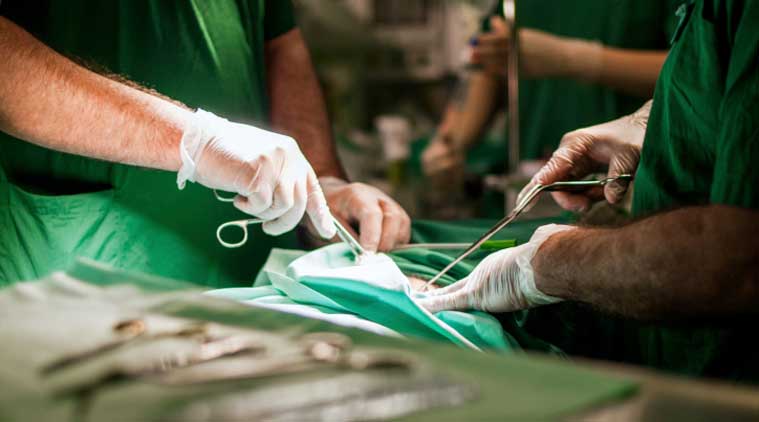 The level of the surgery was complicated as it took almost eight hours but we did not face any major issues (Source: Thinkstock Images)
Thứ Sáu, 14 tháng 4, 2017
This eight-month-old baby girl from Punjab who weighs more than 17 kgs has doctors worried
Obesity is increasing in epidemic proportions worldwide especially in developed countries. According to the the Global Burden of Disease Study 2013, India is just behind the US and China with about 30 million people in the country being obese and around 20 per cent of school-going children being overweight. Among all the Indian states, it was found that more than 40 per cent of the population in Punjab is overweight or obese, in a first-of-its-kind study conducted by Post Graduate Institute of Medical Education and Research and Punjab government hospitals. The country has been battling with obesity for a while now but the plight of this morbidly obese baby girl in Punjab is somewhat disturbing. Eight-month-old Chahat Kumar who weighs 17 kgs has doctors worried. In case you are wondering what’s all the fuss about, let’s tell you that it is what an average four-year-old child would weigh. Chahat’s mother, Reena Kumar, who wants her child to have a normal life says, “She was born a normal child and only started gaining weight at the age of four months.” While her father, Suraj Kumar, adds, “She gets hungrier than other children her age and demands milk and food often.” After noticing her dramatic weight increase her parents sought out medical help but treatment wasn’t possible as the doctors couldn’t get a proper blood sample. Suraj Kumar says, “When we took her to the doctor, he told us that they would first need to collect blood samples to start with any kind of treatment but it turned out to be difficult as her skin is abnormally hard.” Dr Vasudev Sharma who has been working with Chahat since she was born says, “Her weight is increasing excessively and it has to be controlled. She has to eat less. She eats like a 10-year-old kid.” Her excessive weight has led her to have breathing and sleeping problems. For all the latest Lifestyle News, download Indian Express App now Chahat Kumar at 17 kgs. (Source: YouTube grab)