A sedentary lifestyle can take a huge toll on your heart. Researchers have found that lack of exercise and excessive weight are strongly associated with a type of heart failure that is very hard to treat. Heart failure is a chronic condition in which the heart is unable to supply enough oxygenated blood to meet the demands of the body. “Previous studies have consistently found an association between low levels of physical activity, high BMI (body mass index), and overall risk of heart failure, but this study shows that the association is more pronounced for heart failure with preserved ejection fraction, the type of heart failure that is the most challenging to treat,” said the study’s senior author Jarett Berry, Associate Professor at University of Texas Southwestern Medical Center in the US. Heart failure is approximately equally divided between two subtypes — heart failure with preserved ejection fraction (HFpEF) and heart failure with reduced ejection fraction (HfrEF). Ejection fraction refers to the percentage of the blood that exits the heart with each contraction. Many treatments have been developed for treating heart failure with reduced ejection fraction but there are no evidence-based treatments for the other type. The pooled analysis looked at data from 51,000 participants in three cohort studies, the Women’s Health Initiative, the Multiethnic Study of Atherosclerosis (MESA), and the Cardiovascular Health Study. Among the 51,000 participants, there were 3,180 individuals who developed heart failure. Of these, 39 per cent were heart failure with preserved ejection fraction, 29 per cent were heart failure with reduced ejection fraction, and 32 per cent had not been classified when the data was gathered. The incidence of heart failure with preserved ejection fraction was 19 per cent lower for individuals who exercised at recommended levels, showed the findings published in the Journal of the American College of Cardiology. Similarly, body mass index (BMI) had an inverse relationship with heart failure with preserved ejection fraction. Higher BMI levels were more strongly associated with heart failure with preserved ejection fraction than with heart failure with reduced ejection fraction.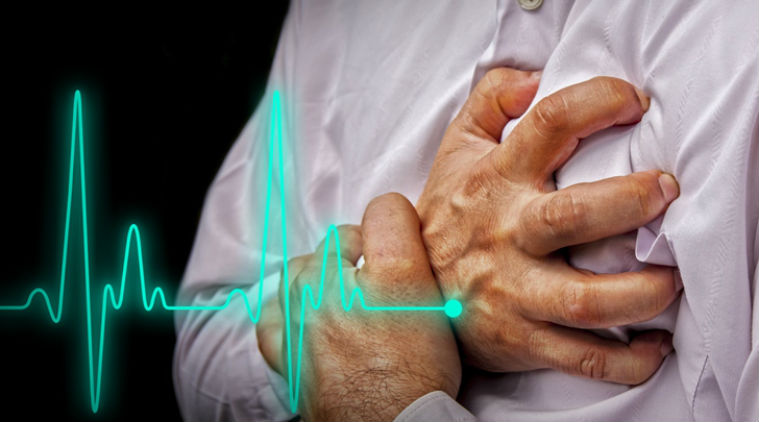 Higher BMI levels were more strongly associated with heart failure with preserved ejection fraction than with heart failure with reduced ejection fraction.
Thứ Ba, 28 tháng 2, 2017
Lack of exercise linked to hard-to-treat heart failures
Want to lose weight? This doc tells you to ‘Eat Fat, Get Thin’ — and it’s healthy
There are thousands of articles on the Internet telling you what to do and what not to, if you ever want to lose weight. The most dangerous ones are those that claim to help you to shed the extra kilos in just one week. Even celebrity dietitian Rujuta Diwekar (Kareena Kapoor Khan’s dietitian as she is popularly known) advises one to stay away from all these crash diets. In a recent Facebook chat, Diwekar said, “A lot of people go on crash diets. If you want to lose weight, gradually decrease your food consumption, not all at once. Since most people want to see immediate results, they start on crash diets and that’s when most lifestyle diseases start to develop.” She also stresses on the importance of eating in moderation. It’s not that you have to leave what you like, but to pay attention to what you’re eating and the proportion. Even Dr Mark Hyman, author of Eat Fat, Get Thin and director of the Cleveland Clinic’s Center for Functional Medicine, thinks we shouldn’t advise people to stop eating fat. In an interview with The New York Times, Hyman talks about switching from a low-fat, carb-heavy diet to one that incorporates healthy fats. According to him, if you want to lose weight then high-fat, plant-based foods diet should be your focus. He even divulged about his eating habits and the benefits of each of these food items. Let’s take a look: Veggies: It’s no news, right? We all know veggies are important for a healthy you. In the words of food writer Michael Pollan, “Eat food. Not too much. Mostly plants,” and this exactly what Hyman follows. Apparently 70-80 per cent of his diet plan is plant foods and he avoids items that are high in sugar or refined carbs. Nuts and seeds: You have known this all along too. Your mom must have told you a thousand times to carry a packet of almonds for times when you are hungry. But have you ever paid attention? Nuts can help stabilise your blood-sugar levels and is also a good source of fibre. Hyman sticks to this rule so that he can avoid last-minute cravings and making bad choices. “I basically have fat and protein as my snacks, and I have enough food in my bag to last an entire day,” he said. What else is making player Switch to olive oil from butter: Most of the fat in olive oil comes from a special type of “healthy” fat also known as monounsaturated fat. This type of fat can help you reduce the risk of cardiovascular diseases and keep your blood-sugar levels steady. Opt for fatty fish instead of steaks: Fish is rich in Omega-3 fatty acids, especially salmon, mackerel and trout. If you are worried about consuming fats then let’s just tell you that that these are “essential” fats because the body can’t make them without the help from our diet. And it is important, because it plays an important role in keeping the cells of your body running smoothly. They are also necessary building blocks of the hormones that regulate blood clotting and inflammation. Avocados: They are rich in vitamins B, C and E, potassium (a mineral that helps circulate nutrients and waste in and out of cells) and folate (a nutrient especially important to women who are planning to conceive or are pregnant). Hyman recommends just roughly 120 calories, about the equivalent of a slice of bread or a container of yogurt. Oh, it’s also the best food to keep you feeling full without causing blood-sugar levels to spike. Reduce refined carbs like white rice: Diets that are high in refined carbs and low in wholegrains have been linked with health problems. Processors cuts out the major source of fibre and Vitamin B in foods. It’s best to avoid refined food items. Sweet fats, like full-fat fruit-flavored yogurt: Hyman believes that the real danger is sweet fat. He says, “If you eat fat with sweets — so sugar and fat, or refined carbohydrates and fat — then insulin will rise and it will make you fat.” It is believed that sugar, when combined with fat or carbohydrates and eaten consistently in high amounts, can lead to weight gain.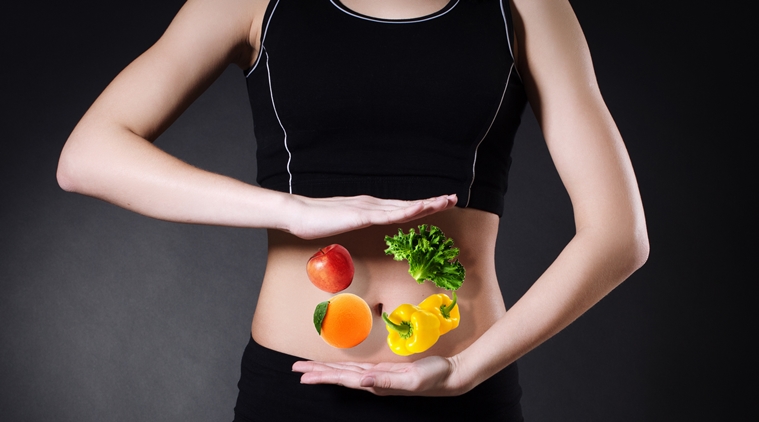 If you want to lose weight then high-fat, plant-based foods diet should be your focus. (Source: Thinkstock Images)
 70-80 per cent of your diet should include plants. (Source: Thinkstock Images)
 Avocado is the best food to keep you feeling full without causing blood-sugar levels to spike. (Source: Thinkstock Images)
Thứ Hai, 27 tháng 2, 2017
Say goodbye to cold with home remedies as weather changes
Winter may be on its way out, but the common cold is pretty much the year-long companion. Changes in weather lowers the immunity and increases the susceptibility to catching a cold but with a few handy, home remedies, its easy to fight the cold. Mohamed Rafiq, Principal Scientist, Research and Development Center, The Himalaya Drug Company, has shared a few simple remedies to cure a common cold and be healthy and rejuvenated through the season: * Drink lots of liquid: It’s important to stay hydrated as it helps break the congestion and keeps the throat moist, reducing irritation. Drink more than the usual eight glasses of liquid — from water to tender coconut water, juices or soups. * Take steam: Inhaling steam two times a day is highly recommended for clearing chest congestion. It helps you breathe easy and clears the nasal passage. Hold your head over a pot of boiling water and inhale gradually through your nose. For effective results, mix a few drops of peppermint or lemon essential oil in the water before taking steam. The antiseptic and anti-viral properties in the essential oils are useful as an expectorant. * Use a herbal cold balm: Herbal cold balms consist of soothing herbs that help relieve congestion and cold symptoms. Pick one with herbs like eucalyptus, mint and nutmeg that have several therapeutic properties. Eucalyptus helps in decongesting the chest, mint soothes the throat, relieves nasal congestion and nutmeg facilitates the stimulation of blood flow to the area where the balm is applied. Apply it on your forehead, nose and neck every three hours, especially at night before going to bed. * Gargle twice a day: Salt water gargle is an age-old therapy for cough and sore throat. It will help soothe your throat and loosen the mucus, while also reducing swelling. Just add a pinch of salt and turmeric in hot water and ensure that you adjust the temperature of the water to suit yourself. Do it twice a day and you are sure to feel better. * Apply hot water bag: A hot water bottle helps in clearing the congestion in the chest. The gentle warmth will help you breathe easy. Fill your hot water bag, wrap it in a thin cloth and rest it between your shoulder blades or your chest. You can rub a balm before resting the bottle on yourself for effective results. A hot water bottle helps in clearing the congestion in the chest. The gentle warmth will help you breathe easy. (source: Thinkstock images)
Mediterranean diet may decrease pain due to obesity
Eating a Mediterranean diet rich in fruits, vegetables, whole grains and healthy fats could decrease the chances an overweight person will experience regular pain, new research suggests. A well-established connection between body weight and chronic pain might be explained by inflammation in the body, and the study points to anti-inflammatory foods including fish, nuts and beans as a key to preventing or reducing that pain, said lead researcher Charles Emery, a professor at The Ohio State University in the US. ALSO READ | Mediterranean diet may help treat HIV, diabetes patients “We found that a healthy diet explained the link between weight and pain and specifically that seafood and plant proteins such as peas and nuts and beans were key,” said Emery. “It appears to be telling us that it is not just the quantity of the food you eat that plays a role in pain for heavier individuals, but the quality of food as well,” said Emery. The researchers developed a model to help them determine whether components of an anti-inflammatory diet high in fruits and vegetables, whole grains and healthy fats, played a role in the likelihood a person’s weight would contribute to pain. See what else is making news in lifestyle, here They found that eating more fish and plant-based proteins such as nuts and beans was linked with less pain, regardless of body weight. The study also upheld previous research showing that people who are overweight or obese are more likely to experience pain. It included 98 men and women 20 to 78 years old. “Obesity and pain are significant public health problems. This was an attempt to take a very detailed snapshot of how Researchers spent three hours with each participant in their home. They accounted for other factors that could influence their results, including age, depression, analgesic medication use and joint pain. They tested the model using three different measures of weight – body mass index, waist circumference and body fat percentage. In all three cases, they found evidence that anti-inflammatory proteins may explain the link between increased weight and pain. “For people with obesity, it is kind of like a cloud hanging over them because they experience high levels of pain and inflammation,” Emery said. The study appears in the journal Pain.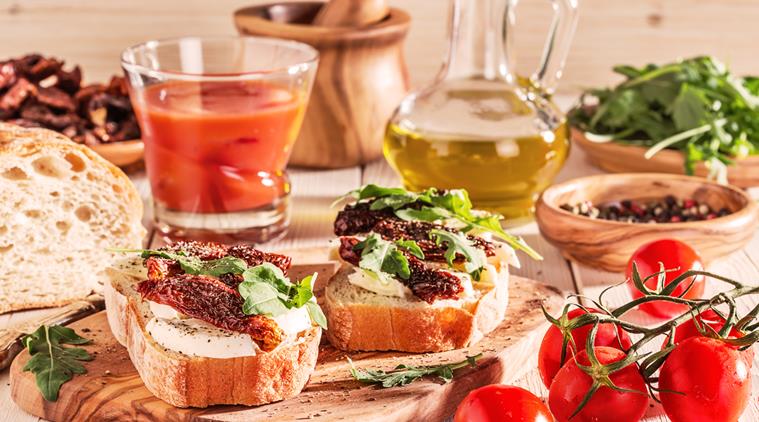 The goodness of Mediterranean diet. (Source: Thinkstock Images)
they might be related,” Emery said. “We were interested in the possibility of an inflammatory mechanism explaining the connection because we know there is a high degree of inflammation associated with obesity and with pain,” said Emery.
Chủ Nhật, 26 tháng 2, 2017
Prepare well, avoid stimulants to overcome exam anxiety
Experiencing stress due to exam pressure? The most important thing is to be well prepared. Start preparation early and meditate as it helps in bringing peace in mind, says an expert. Pankaj Aggarwal, Senior Homeopathy Physician from Agarwal Homeo Clinic, has shared some tips to overcome exam fear and anxiety. * Preparation holds the key: The most important thing is to be well prepared. Start preparation early. As practice makes a better understanding and recollection and makes you perfect in it. This makes exam preparation a stressful activity. To prepare for it, you need to create your own timetable for all the crucial days. The timetable should be realistic that you abide by it. * Mediatate: Meditation is a great way to bust stress. Doing it daily can do wonders. Meditation could bring your mind to focus. It would also remove unwanted thoughts from your mind. Keep your face facing upwards. Your palms should be open kept on lap facing upwards. Perform this for 10 to 15 minutes in a day early morning. It also improves your memory and concentration power. * Eat, rest well and sleep well: Do not study through night before an examination. your brain needs to be rested for it to retain information. Six hour sleep is more important before exam and be conscious about your diet because body always need support, support as in food. Eat green vegetables and dry fruits. *Identify stress symptoms: These are the symptoms that you are suffering from stress are given below: * If you are falling sick very often without any reason. * If you constantly keep worrying about your results. * If you feel afraid when someone talks about your future. These are the symptoms of stress or anxiety, do not avoid them because it will worsen your exam performance as well as your health. * Listen to music: This can create a positive and productive environment by elevating your mood and encouraging you to study more effectively and for longer. * Avoid stimulants: It is a myth that caffeine, nicotine or any other substance can help improve concentration. On the contrary, they are likely to increase your anxiety level and making you feel more stressed. These things never helpful for decreasing your anxiety level or feel you relaxed. So avoid them is the best option specially during exams. Follow these anti-anxiety tips and come out with flying colours. (Source: File photo)
Vitamin in milk could prevent pain caused by chemotherapy
A vitamin found in milk may be useful for treating or preventing nerve pain caused by chemotherapy drugs, says a study. For the study, the researchers tested the effect of nicotinamide riboside (NR), a form of vitamin B3, in female rats that were treated with paclitaxel, a chemotherapy commonly used to treat breast and ovarian cancer. Although chemotherapies have improved cancer survival rates, many of these drugs also cause debilitating side effects that decrease the quality of life of patients and survivors. In particular, many anti-cancer drugs cause chemotherapy-induced peripheral neuropathy (CIPN) — nerve damage and pain. “Chemotherapy-induced peripheral neuropathy can both hinder continuation of treatment and persist long after treatment has ended, severely affecting the quality of life of cancer patients,” said study first author Marta Hamity from University of Iowa in the US. “Our findings support the idea that NR could potentially be used to prevent or mitigate CIPN in cancer patients, resulting in a meaningful improvement in their quality of life and the ability to sustain better and longer treatment,” Hamity said. The findings, published in the journal Pain, lay the groundwork for testing whether this nutritional supplement can reduce nerve pain in cancer patients receiving chemotherapy. Nicotinamide riboside boosts levels of an important cell metabolite called nicotinamide adenine dinucleotide (NAD+). Previous animal studies have shown that increasing NAD+ levels with NR can protect against many types of nerve damage. The new study found that the NR supplement increased levels of NAD+ in the rats’ blood by about 50 per cent.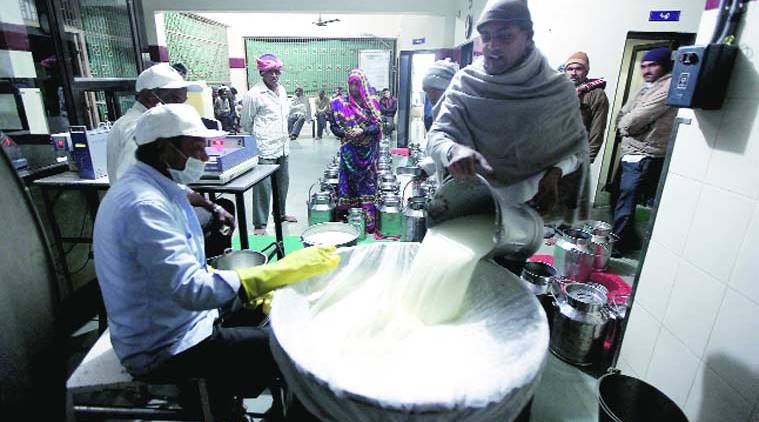 Milk can be the cure to your nerve pain. (Source: File Photo)
Silenced by depression? Instagram could come to your rescue
While the fear of being stigmatised prevents many of us from making sensitive self-disclosures, one way people in pain are overcoming silence is by using the photo-sharing app Instagram, a study says. Some Instagram users are using pictures to help explain the feelings and experiences that are often too painful or complicated to put into words, the researchers said. “We wanted to see how people might behave differently on a more image-centric platform, rather than one that is driven solely by textual posts and comments,” said one of the researchers Nazanin Andalibi from Drexel University in Philadelphia, US. “Physical or mental health and body image concerns are stigmatised, rarely disclosed and frequently elicit negative responses when shared with others,” the study authors said. “We found that these disclosures, in addition to deep and detailed stories of one’s difficult experiences, attract positive social support on Instagram,” the study said. The researchers examined the responses to a sample of 800 Instagram posts pulled from more than 95,000 photos tagged with “#depression” that were posted by 24,920 unique users over the course of a month. The findings showed that not only are people using Instagram to make sensitive disclosures, but they are also getting mostly positive support from the people who respond to the posts, and little in the way of negative or aggressive comments. Some users view Instagram as a safe medium for sharing sensitive information about themselves and reaching out for help, the study said. The findings are scheduled to be presented at the Association for Computing Machinery’s International Conference on Computer-Supported Cooperative Work and Social Computing to be held from February 25 to March 1, in Portland, Oregon, US. Perhaps in a nod of acknowledgement to the fact that this community exists on the site, Instagram recently rolled out a suicide prevention tool that allows users to alert operators when they think someone might be in serious trouble. The operators are able to provide help or connect users with the information they need to find it. While this is a step in the right direction, according to Andalibi, it is only the first of many that need to be taken to truly reach these communities of users. “Social media platforms like Instagram, that people have adopted to connect with ‘similar others’ to share their difficult experiences, and seek and provide support, should explore ways to facilitate safe and supportive connections,” Andalibi said. Some Instagram users are using pictures to help explain the feelings and experiences that are often too painful or complicated to put into words. (Source: Thinkstock Images)
Thứ Bảy, 25 tháng 2, 2017
Antibiotics treating cystic fibrosis may cause deafness
A powerful class of antibiotics used to bring relief to people with cystic fibrosis (CF) could also increase the risk of permanent hearing loss, besides kidney damage, a study has found. Aminoglycoside antibiotics is used by approximately 70,000 people worldwide who inherited the chronic disease that affects mostly the lungs, but also the pancreas, liver, kidneys and intestine. The findings showed that patients who were administered a high dose of the antibiotics to reduce their respiratory infections were 4.79 times more likely to experience permanent hearing loss. A situation that could further worsen due to isolation, depression and cognitive decline in such patients. Aminoglycosides inhibit bacterial protein synthesis and is necessary to clear life-threatening infections, but it can also degrade auditory function in the inner ear as well as kidney function. “Preventing or ameliorating the effects of permanent (hearing loss) is crucial for patients with CF who already have a significantly compromised quality of life due to the disease,” said lead author Angela Garinis, research associate at Oregon Health and Science University in the US. For the study, published in the Journal of Cystic Fibrosis, the team examined the medical records of 81 CF patients, aged 15 to 63 years, grouping them into four quartiles based on the cumulative dosage of aminoglycoside antibiotics administered intravenously. It is imperative for physicians to routinely monitor hearing in any patient receiving aminoglycosides intravenously, the study said. Further, physicians treating patients with CF should consider alternative strategies for treating the symptoms of respiratory infections associated with the disease, the researchers suggested.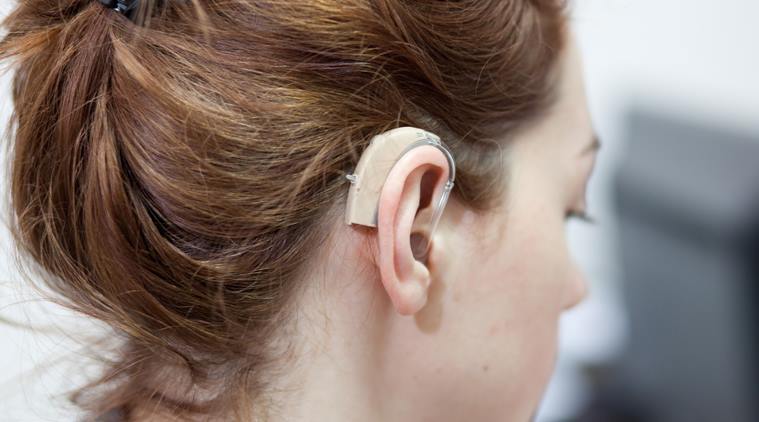 A situation that could further worsen due to isolation, depression and cognitive decline in such patients. (Source: Thinkstock Images)
Back pain ups risk of early death by 13 per cent
Suffering from lower back pain? Be careful, back pain — approximately affecting 700 million people worldwide — is the leading cause of disability globally and may increase your risk of dying early by 13 per cent, researchers warn. The findings showed that compared to those without spinal pain (back and neck), a person with spinal pain has a 13 per cent higher chance of dying early. “Back pain should be recognised as an important co-morbidity that is likely to impact people’s longevity and quality of life,” said lead author Matthew Fernandez from the University of Sydney in Australia. “This is a significant finding as many people think that back pain is not life-threatening,” added Paulo Ferreira, Associate Professor at the University of Sydney. An individual’s lifetime prevalence of back pain is nearly 84 per cent and more in older populations. “With a rapidly growing ageing population, spinal health is critical in maintaining older age independence, highlighting the importance of spinal pain in primary health care as a presenting symptom,” Fernandez explained. However, the researchers do not yet know the reason behind the link between back pain and mortality. Spinal pain may be part of a pattern of poor health and poor functional ability, which increases mortality risk in the older population, the researchers noted, in the paper published in the European Journal of Pain. For the study, the team examined 4,390 Danish twins aged more than 70 years. No association was found between spinal pain and cardiovascular-specific mortality. The influence of shared familial factors also was unlikely. In addition, the commonly prescribed medications for back pain such as paracetamol and anti-inflammatory drugs and even surgery was found ineffective in treating pain, but had side effects. “The best treatment for low back is a healthy lifestyle, including physical activity. People need to get moving,” Ferreira said.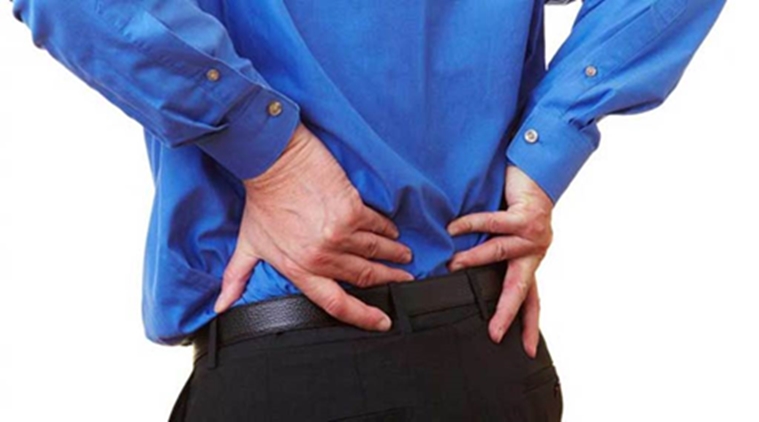 Back pain should be recognised as an important co-morbidity that is likely to impact people’s longevity and quality of life. (Source: Thinkstock Images)
Thứ Sáu, 24 tháng 2, 2017
Diet diary: In exam season, the right food that enables thought
With exams round the corner, most children are stressed and fear forgetting all they have learnt. Many resort to taking memory-boosting medicine and supplements. Popping pills to enhance memory can be fraught with danger and can have serious side effects. Memory enhancement and concentration improvement can be easily done through eating right, physical exercise and meditation. The reasons for poor concentration and poor recall often lie in unhealthy diets and stress, worsened by pressures of multitasking, toxins in air, food and water. Stress by itself can alter our bodies, brains and eating habits. Our body responds to stress by increasing release of free radicals (chemicals that weaken the immune system exposing the body to degenerative diseases), hormonal imbalances, altering eating behaviour and affecting overall productivity and well being. Further, increased stress depletes out bodies of nutrients and increases the requirement for memory-boosting nutrients like Vitamin B, C, folic acid, zinc, magnesium etc. Replacing cereal grains like wheat, wheat derivatives and corn with fresh fruits, sprouts, boiled pulses, lentils, vegetables, salads and vegetables juices will surely be useful in reduction of stress and memory enhancement. Reduction of free sugars, bakery products, breads, biscuits, fruit juices and sugar sweeten drinks also is critical to improved cognitive performance. These should substituted with nuts, chana, natural sweets like jaggery and honey or even dark chocolate. Physical activity and meditation also have profound effects in calming the brain and improved recall and concerntration. These issues too must be addressed and exposure to chemicals and harmful radiations should be limited. There are some special food, known in traditional medicine, which are associated with improvement of brain function and memory. They include Brahmi Ghrita and Ginkgo Biloba. Several scientific studies have reported the cognitive enhancing properties of these two but more scientific research is needed to validate the results. As such, their consumption is not recommended specially by children. The critical preventive approach to a failing memory lies in correction of diet and nutrient therapy along with sanitising the environment and stress management. The reasons for poor concentration and poor recall often lie in unhealthy diets and stress, worsened by pressures of multitasking, toxins in air, food and water.
Testosterone treatment may raise bone density, correct anaemia
Elder men who undergo testosterone treatment may have improved bone density levels that can determine risk for fractures and anaemia, a condition in which the blood does not have enough healthy red blood cells, a study has found. The results showed that after an year of testosterone treatment, men over 65 years of age with low testosterone significantly increased bone density and estimated bone strength compared to those on placebo. Further, testosterone treatment also increased haemoglobin concentrations, corrected the anaemia of men who had no other identifiable cause of anaemia and corrected the blood levels of men who had an identifiable cause, such as iron deficiency. However, the treatment did not improve memory or any other measure of cognitive function. Instead, it increased the amount of plaque build-up in participants’ coronary arteries, the researchers said. “Our study finds benefits of testosterone treatment in improving bone density and anaemia. However, the cardiovascular study showed that the testosterone treatment group had increased plaque build-up in coronary arteries, suggesting a possible risk factor,” said Ronald S. Swerdloff from Los Angeles Biomedical Research Institute (LA BioMed) — a non-profit research institute in California. The findings are detailed in the paper published in the Journal of the American Medical Association (JAMA) and JAMA Internal Medicine. For the study, the team conducted the Testosterone Trials (TTrials) — a coordinated group of seven trials — which studied the effects of testosterone treatment for one year in 51,085 men. In the cardiovascular trial, researchers assessed coronary artery plaque build-up by CT angiography. That assessment showed more plaque build-up in men treated with testosterone than in men treated with placebo. Nonetheless, in all 788 men in the TTrials, the number of major adverse cardiovascular events was similar in the men treated with testosterone as in the men treated with placebo.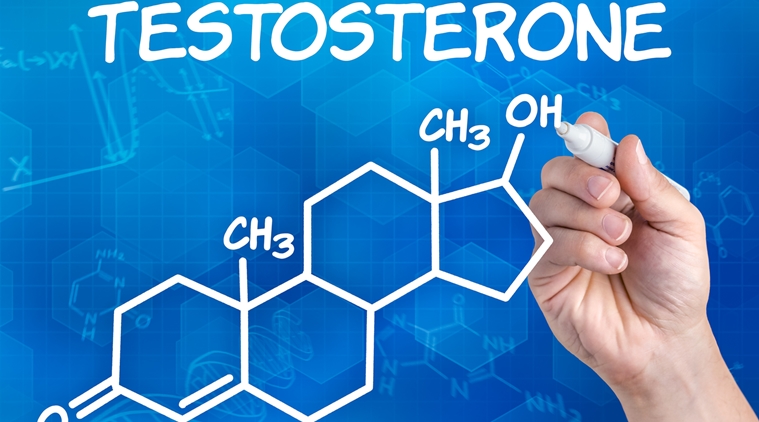 The treatment did not improve memory or any other measure of cognitive function. Instead, it increased the amount of plaque build-up in participants’ coronary arteries. (Source: Thinkstock Images)
Thứ Năm, 23 tháng 2, 2017
‘Weight loss drug may cut 80% risk of diabetes’
Injecting a particular weight loss drug in combination with diet and exercise may reduce risk of diabetes by 80 per cent in individuals with obesity and prediabetes, a study said. The results of the international clinical trial showed that liraglutide promoted weight loss by interacting with the areas of the brain that control appetite and energy intake. ALSO READ | How world’s heaviest people fared after weight loss surgery Published in the journal The Lancet, the results showed that three years of continuous treatment with once-daily liraglutide 3.0 mg, in combination with diet and increased physical activity, reduced the risk of developing the Type 2 diabetes. In fact, in 60 per cent of those patients with borderline diabetes the condition was reversed, and patients returned to healthy blood sugar levels, the study showed. See what else is making news in lifestyle, here “Liraglutide promotes weight loss by activating brain areas that control appetite and eating, so that people feel fuller sooner after meals and their food intake is reduced,” said Carel le Roux, Professor at Imperial College London. “Although liraglutide’s role in weight loss is well known, this is the first time it has been shown to essentially reverse prediabetes and prevent diabetes, albeit with the help of diet and exercise,” le Roux added. Of the patients who did go on to develop diabetes, those who were given liraglutide, took nearly three times longer to develop the disease. In addition, liraglutide also helped patients lose seven per cent body weight compared to only two per cent in the placebo group, the researchers said. “Liraglutide 3.0 mg can provide us with a new therapeutic approach for patients with obesity and prediabetes,” explained John Wilding, Professor at the University of Liverpool. For this obesity and prediabetes trial, the team followed 2,254 adults with prediabetes at 191 research sites in 27 countries worldwide. The participants were randomly allocated either liraglutide 3.0 mg or a placebo delivered by injection under the skin once daily for 160 weeks. They were also placed on a reduced calorie diet and advised to increase their physical activity.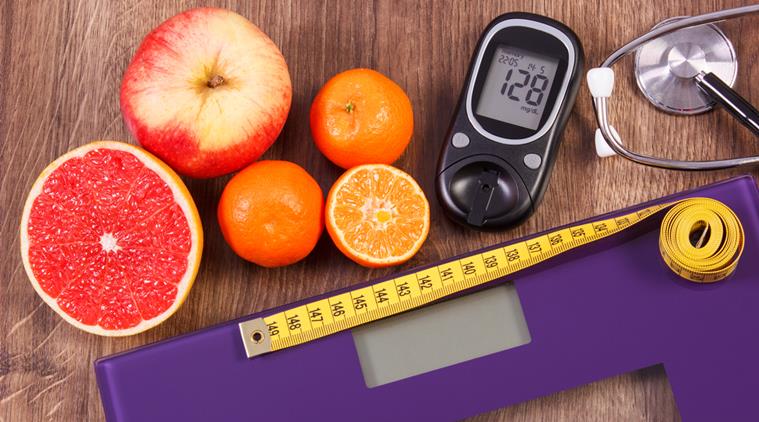 Liraglutide helps patients lose seven per cent body weight. (Source: Thinkstock Images)
Fruit and vegetable-rich diet may lower lung disease risk
Consuming five or more daily servings of diet rich in fruit such as apples or pears and green leafy vegetables may significantly lower the risk of developing chronic lung disease in both former and current smokers, finds a research. Smoking is the primary risk factor for developing chronic obstructive pulmonary disease (COPD), which is set to become the third leading cause of death worldwide, according to World Health Organisation. ALSO READ | Mediterranean diet may decrease pain due to obesity The findings, published online in the journal Thorax, showed that people who ate five or more portions of fruit and vegetables every day were, respectively, 40 per cent and 34 per cent, less likely to develop COPD — respiratory condition that narrows the airways, which include bronchitis and emphysema. Each additional serving was associated with a four per cent lower risk of COPD in former smokers and an eight per cent lower risk in current smokers. See what else is making news in lifestyle, here As oxidative tissue stress and inflammation may be involved in COPD development, and smoking is a potent trigger of these processes, the antioxidants abundant in fruit and vegetables may curb their impact, suggest the researchers,” Joanna Kaluza from Warsaw University of Life Sciences in Poland. On the other hand, both current and former smokers eating fewer than two daily portions were, respectively, 13.5 times and six times more likely to develop COPD. While apples, pears, green leafy vegetables and peppers seemed to exert the strongest influence and depress the risk, no such associations were found of eating berry fruits, bananas, citrus fruits, cruciferous and root vegetables, tomatoes, onions, garlic or green peas, Kaluza added. For the study, the team tracked the respiratory health of more than 44,000 Swedish men born between 1918 and 1952 and aged between 45 and 79 for 13 years up to the end of 2012. Each additional serving is associated with a four per cent lower risk. (Source: Thinkstock Images)
Chronic stress may give you a pot belly
People who suffer long-term stress may also be more prone to gaining extra kilos overtime, says a study. The findings, published in the journal Obesity, are based on examination of hair samples for levels of cortisol, a hormone which regulates the body’s response to stress. The study showed that exposure to higher levels of cortisol over several months is associated with people being more heavily, and more persistently, overweight. ALSO READ | Feeling stressed? Try prebiotics “People who had higher hair cortisol levels also tended to have larger waist measurements, which is important because carrying excess fat around the abdomen is a risk factor for heart disease, diabetes, and premature death,” said lead researcher Sarah Jackson from the University College London. “These results provide consistent evidence that chronic stress is associated with higher levels of obesity,” Jackson added. See what else is making news in lifestyle, here Chronic stress has long been hypothesised to be implicated in obesity — people tend to report overeating and ‘comfort eating’ foods high in fat, sugar and calories in times of stress, and the stress hormone cortisol plays an important role in metabolism and determining where fat is stored. Previous studies looking at the link between cortisol and obesity relied mainly on measurements of the hormone in blood, saliva or urine which may vary according to the time of day and other situational factors. These studies failed to capture long-term cortisol levels. This research involved 2,527 men and women aged 54 and older taking part in the English Longitudinal Study of Ageing, taking data over a four-year period. In the research, the scientists took a lock of hair two centimetre long from each participant which was cut as close possible to a person’s scalp. This represented approximately two months’ hair growth with associated accumulated levels of cortisol. The researchers found that people who had higher levels of cortisol present in their hair tended to have larger waist circumference measurements, were heavier, and had a higher body mass index (BMI). Exposure to higher levels of cortisol may make people excessively heavy. (Source: Thinkstock Images)
Thứ Tư, 22 tháng 2, 2017
1,850 drugs sold in India Not of Standard Quality: Health Ministry
The Union Health Ministry on Wednesday said it has found 1,850 samples of drugs sold in India ‘Not of Standard Quality (NSQ)’ while 13 were found spurious. “Overall, out of the 47,012 samples tested, 13 samples were found to be spurious and 1,850 samples were found to be ‘Not of Standard Quality’ (NSQ). As such, the percentage of NSQ Drugs in India has been found to be 3.16 per cent and that of Spurious drugs 0.0245 per cent,” said a statement from the ministry. According to the Health Ministry, many of the drugs are of foreign companies that have their manufacturing units in India. As part of the survey, touted to be the world’s largest, 47,954 drug samples relating to 23 dosage forms were drawn from 654 districts of 36 States and Union Territories from the supply chains including retail outlets, government sources and from eight airports and sea ports. “The statistical design of the Drug Survey included as many as 224 Drug molecules belonging to 15 different therapeutic categories of the National List of Essential Medicines (NLEM) 2011,” said a statement from the Health Ministry. The Ministry had entrusted the work related to carrying out a Survey of the extent of Problems of ‘Spurious and Not of Standard Quality Drugs’ to the National Institute of Biologicals (NIB), Noida. As part of the survey, a nationwide training in drugs survey methodology was imparted at 28 centres across the country to over 1,800 Sample Drawing Officers (SDOs) and representatives of the Civil Society / Pharmacy Council of India (PCI). “The role of the Civil Society/Pharmacy Council of India (PCI) representatives was to observe that the drugs samples are drawn in accordance with the sampling methodology and the highest degree of transparency and objectivity is maintained in the process to eliminate any bias,” said the Ministry. All the samples were subjected to test/analysis as per pharmacopoeial requirements in the Central and State Drug Testing Laboratories that have been accredited by NABL.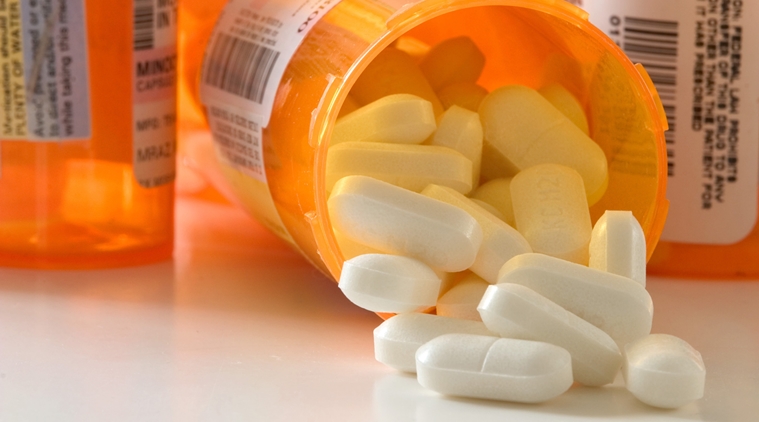 The statistical design of the Drug Survey included as many as 224 Drug molecules belonging to 15 different therapeutic categories of the National List of Essential Medicines (NLEM) 2011. (Source: Thinkstock Images)
New drug combination may combat hearing loss
Researchers have discovered a drug combination that can regenerate hair cells in human ears that detect sound waves and translate them into nerve signals enabling us to hear sounds. Each human being is born with about 15,000 hair cells per ear and once damaged, these cells cannot regrow — one of the leading causes of hearing loss. The findings showed that the new combination of drugs expands the population of progenitor cells — also called supporting cells — in the ear and induces them to become hair cells, offering a potential new way to treat hearing loss. “Hearing loss is a real problem as people get older. It’s very much of an unmet need, and this is an entirely new approach,” said Robert Langer, Professor at Massachusetts Institute of Technology. The drugs could be injected into the middle ear, from which they would diffuse across a membrane into the inner ear, the researchers said. For the study, appearing in the journal Cell Reports, the team exposed cells from a mouse cochlea — the spiral cavity of the inner ear containing the organ of Corti, that produces nerve impulses in response to sound vibrations — grown in a lab dish, to molecules that stimulate the Wnt pathway, which makes the cells multiply rapidly. Once they had a large pool of immature progenitor cells, the researchers added another set of molecules that provoked the cells to differentiate into mature hair cells, which generated about 60 times more mature hair cells than the previously used technique. “We only need to promote the proliferation of these supporting cells, and then the natural signalling cascade that exists in the body will drive a portion of those cells to become hair cells,” said Jeffrey Karp, Associate Professor at Brigham and Women’s Hospital (BWH) in Boston. The drugs could be injected into the middle ear, from which they would diffuse across a membrane into the inner ear. )Source: Thinkstock Images)
Excess fat in the abdominal regions linked with cardiometabolic disease: Study
A typical young Indian male marries, and a few months later he develops a noticeable paunch. His mother and mother-in-law are pleased as punch, perceiving the paunch as a sign of his wellbeing of his being “looked after well” by his wife. But is it all good? Observational studies have linked abdominal adiposity with cardiometabolic disease — but it is yet unclear whether it is a surrogate for obesity in general or it plays a causal role. New genetic evidence is supporting the idea that people who are predisposed to carrying fat in their belly as opposed to their hips and thighs are also at greater risk for developing heart disease and Type 2 diabetes, says Dr (Col) Anil Dhall, Director, Cardiovascular Sciences, at Venkateshwar Hospital here. Citing a recent study reported in JAMA, Dhall said those with higher waist-to-hip ratios seemed to have higher levels of triglycerides, 2-hour glucose, and systolic (higher) blood pressure. The abdominal fat cells could secrete a lot of bad factors that go into the blood and that actually leads to delayed clearance of the fat from the blood, which leads to higher levels of triglyceride-rich lipoproteins. Something about the visceral fat is different from the fat that is in the thighs and hips, but further research is needed to clarify it. Very little is known about what the factors are that lead to the apple shape versus the pear shape. And it’s impossible to model in animals because they just have a totally different body fat distributions than humans. For the long term, understanding the genetics “that actually change the body fat distribution away from abdominal adiposity… may actually be as beneficial as focusing on the overall weight”, potentially leading to the development of safe and effective medications for weight loss, Dhall said. Physicians often focus more on overall weight or BMI of their patients, and not specifically where the fat is stored. But the waist-to-hip ratio is “an easily available marker for who is at particularly high risk for diabetes and heart disease”, observes Dhall. Very little is known about what the factors are that lead to the apple shape versus the pear shape. And it’s impossible to model in animals because they just have a totally different body fat distributions than humans. (Source: Thinkstock images)
Thứ Ba, 21 tháng 2, 2017
Are frozen embryos real people?
So you—or somebody you know—are planning a baby through IVF, a pretty common occurrence these days, and end up freezing the extra embryos that are not used in the procedure. God forbid you and your partner split, who does the embryo belong to? Does it have legal rights? And can it lay claim to a trust fund? Sounds bizarre, but if you’ve been reading the tabloid section, Modern Family (ironically!) actress Sofia Vergara has been sued (on behalf of her embryos) by former fiancé Nick Loeb to allow him access to the embryos, who he calls Emma and Isabella and has a trust fund going for. There could be better reasons to claim right to birth, than to be beneficiary of all that cool cash, but that’s another debate! There seems to be a thin line between morality and what’s supposed to be purely a lab procedure. Vergara, too, reportedly wants the embryos indefinitely frozen, fighting shy of asking them to be destroyed. This, even though she has moved on from her ex and is now married to somebody else. ALSO READ | 50-hour face transplant recovers US man’s wounded face after 10 years When does life start? And is destroying an embryo actually akin to abortion? Between polarising pro-life arguments and women’s rights groups lies a space that is still extremely ambiguous when it comes to rights and duties regarding embryos, particularly those that lie in cold storage. And, it’s not just parents or guardians of these who hesitate to pull the plug, but the medical fraternity too. Dr Firuza R. Parikh, leading Mumbai-based fertility specialist, candidly states in an email chat, “Under usual circumstances, we only transfer one or two good quality embryos; extra embryos are cryopreserved. Our consent form for patients states that the embryos would be frozen for two years. If the couples wish to continue to preserve them, then a written intimation is required. However, till date, we have not disposed of embryos even in circumstances when putative parents have forgotten about them as we consider the beginning of life as the time when fertilisation occurs.” In other words, life begins at conception. To put it somewhat crudely, can someone who eats eggs really be called a vegetarian? So, is Loeb perfectly within reason when he wants Emma and Isabella to get a fighting chance to be born through a surrogate womb? See what else is making news in lifestyle, here As Parikh remarks, “Every complex situation likes this points at the lacunae in our legal and social understanding of ART (assisted reproductive technology).” The law has a lot to deal with. One can imagine that for a couple planning to expand their family, divorce would ideally be the last thing on their minds. But, it may be prudent to pause and ponder custody in case of a split, or even death of one partner. Parikh points out the case of an American couple, way back in the Eighties, who passed away in a plane crash, leaving behind embryos that had been frozen at an Australian hospital, in the middle of a legal tussle. Ultimately, the hospital was granted rights to give these up for adoption. There have been many cases since, but no clear answers so far. Couples, explains Parekh, have the choice to discard their embryos, donate them towards stem cell research or for adoption to another couple, something she has personally witnessed. Given the long wait for adopting a baby from an agency, embryo donation may be a quicker option for parents-in-waiting. But for parents to deal with the “excess embryo” (their children’s potential sibling or their child) growing anonymously, requires a leap of faith. While we wrap our heads around these issues, a snap poll of a handful of men gave interesting answers. Surprisingly, legalities aside, all believed in giving the embryos a chance to come into the world as the right thing to do. One said, “Since Sofia Vergara has moved on from the relationship, she has no right to decide what happens to the embryos either.” Another suggested they split the embryos between them. The paternity gene is alive and kicking, as single fathers become more commonplace, and actor Tusshar Kapoor even becoming a father through surrogacy. As we consider the emotional and moral viewpoints, let’s also look at the numbers. We don’t have figures for India yet, but in the US, the number of embryos being preserved is pegged at almost a million. So, as pro-life protestors tell Sofia Vergara to “unfreeze her heart”, let’s appreciate that there are no easy answers…not yet, anyway! And next time you have an omelette, it may be telling you something! (The writer is an editorial consultant and co-founder of The Goodwill Project. She tweets @anuvee). Views expressed are personal. Between polarising pro-life arguments and women’s rights groups lies a space that is still extremely ambiguous when it comes to rights and duties regarding embryos, particularly those that lie in cold storage.(Source: Thinkstock Images)
If you don’t avoid certain food items during pregnancy, listeria can up miscarriage risk
Listeria, a common food-borne bacterium, may pose a greater risk of miscarriage in the early stages of pregnancy than previously thought, says a study. “For many years, listeria has been associated with adverse outcomes in pregnancy, but particularly at the end of pregnancy,” said one of the researchers Ted Golos, Professor at University of Wisconsin-Madison in the US. ALSO READ | Your child is 40 per cent likely to inherit your obesity, says study “What wasn’t known with much clarity before this study is that it appears it’s a severe risk factor in early pregnancy,” Golos said. Pregnant women are warned to avoid many of the foods — among them unpasteurised milk and soft cheese, raw sprouts, melon and deli meats not carefully handled — that can harbour listeria, because the bacterium is known to cause miscarriage and still-birth, and spur premature labour. See what else is making news in lifestyle, here But when it occurs, listeria infection in pregnancy may go unnoticed. For the study, four pregnant rhesus macaques at the Wisconsin National Primate Research Centre were fed doses of the listeria comparable to what one might encounter in contaminated food. None of the monkeys showed obvious signs of infection before their pregnancies came to abrupt ends, according to the results published in the journal mBio. But in tissue samples taken after each monkey experienced intrauterine fetal death, the researchers found that listeria had invaded the placenta — the connection between the mother-to-be and the foetus, which usually prevents transmission of bacteria — as well as the endometrium, the lining of the uterus. The researchers believe the inflammation caused by the maternal immune response to the fast-moving listeria also affects the placenta, keeping it from protecting the foetus. The results suggest listeria (and perhaps other pathogens) may be the culprit in some miscarriages that usually go without diagnosed cause. “There are effective antibiotics available. It is treatable,” said lead author of the study Bryce Wolfe, a graduate student at University of Wisconsin-Madison. “The issue is that because it’s asymptomatic, the foetus may be infected by the time anyone realises the mother was infected,” Wolfe explained. Listeria infection in pregnancy may go unnoticed. (Source: File Photo)
What a Guy Who Doesn’t Shower Can Teach Your Kid About Cleanliness
This article originally appeared it Fatherly:
Since the 1980s scientists have put forth the “hygiene hypothesis,” that exposure to nature is priming your child’s immune system. Today, the microbiome (those bodily colonies of good bacteria that prevent you from being overrun with bad bacteria) is getting some serious attention, and the consensus for parents seems to be: back away from the Purell.
David Whitlock is the chief scientist for AOBiome, an M.I.T.-educated chemical engineer, andthat guy who hasn’t showered in more than a decade. He helped develop a spray called Mother Dirt, which you just spritz on yourself after cleansing (or not) to replenish the good flora on your body. Think of it as the opposite of Axe body spray. “A lot of what keeps the nasty stuff away is having the good and friendly stuff on your skin,” says Whitlock, whose smell honestly doesn’t have co-workers diving under their desks.
That doesn’t mean Whitlock thinks you should stop bathing your kid … or does it?

Your Body Is A (Bacterial) Wonderland
Right now you’re worried about following Whitlock’s example and ending up with a kid that smells like a gym sock. He understands your skepticism. But, if you’re constantly scrubbing away all the microorganisms on the skin, Lil’ Stinky’s problem may become worse. As Whitlock points out, if you think of your body like a bacterial rainforest, when you slash and burn the first things to come back aren’t the big healthy trees, but crappy little weeds. “Trying to micromanage [your microbiome] is a fool’s errand,” he says. “You need to let it manage itself.”
Bath Time
Evaluate how dirty your kids really are. If they come back from soccer practice looking like a Tide commercial, you should probably bring out the hose. But if your kids spend the majority of their day wearing clothes inside a climate-controlled, air-conditioned room, they probably don’t need a scrub down.
Whitlock says that tap water alone will get you pretty clean. “Plain water removes a lot. When people lived in the wild they bathed a few times a year,” says Whitlock. “You really don’t need all this soap and detergent and different things. Playing in water is enough.” Mr. Bubbles, you’ve been put on notice.
Hand Washing
Shortest answer: yes. But wash them less, and without antibacterial products (unless you’re a doctor). “I wash my hands before food prep and after using the toilet — and if they get really dirty,” says Whitlock. “The only reason you need to wash your hands is to remove toxins or pathogens. Bacteria that aren’t pathogens are of no concern. For dirty that isn’t toxic, it’s only an aesthetic concern. And I’m not that worried about aesthetics these days.” Really? The guy who hasn’t bathed in 10 years isn’t worried about aesthetics?
Dishwasher: Yay Or Nay?
Studies in Sweden alluded to the fact that kids in homes with dishwashers have more allergies. “I don’t think the problem is the dishwasher,” says Whitlock. “It’s their exposure to disinfectants in dishwashing liquid.” Although he also adds that he doesn’t have a dishwasher. And he mostly eats sandwiches.
The time you absolutely have to be clean is when you’re washing baby bottles. “Formula and bottles have to be sterile. That’s very important. Formula is a rich medium and bacteria can grow quickly. Even bacteria that are benign can cause problems at high levels.”
Not All Dirt Is Equal
City kids can’t just go to the local ballfield, rub their face in the dirt, and expect to be healthier. “The dirt in cities isn’t pristine, natural, abundant dirt. It’s not an ecosystem like on a farm. Looking for biodiversity you don’t look in the cracks of the sidewalks,” says Whitlock. “We heard about a few parents who live in cities and want to get their kids to play outdoors. They started testing the dirt in their backyard, and the scary thing is that there’s a lot of lead and PCBs in dirt. It isn’t going to transfer in the skin, you’re going to need to ingest it, but it’s something to be mindful of.”
Old MacDonald Had A Rich Microbiome
You could assume that farm kids have a more diverse microbiome, and you’d be right. But your local petting zoo isn’t the place to start exposing kids to good bacteria. “In the petting zoo it’s probably humans that are the source for pathogens, not the animals.” You hear that, your kid is dirtier than a billy goat! The main reason you have to wash your hands after feeding the little lambs is mostly to accommodate people who are immunocompromised, where infections can happen at lower doses.
What About The 5-Second Rule?
David Whitlock has an M.S. from M.I.T., but he’s also a dad. So what does he do when that pacifier used to drop on the floor. “For my first child, when the pacifier dropped on the floor I cleaned it off. The second child, no I didn’t.” Fair enough, because who really believe those pacifier wipes are worth it? But what about food? “If I dropped food on the floor I’ll still eat it. It’s not a 5-second rule, because that’s been shown not to be correct. But if it fell in the subway — it’s gone.”
(Top Photo: Corbis Images)
More stories from Fatherly:
Neil deGrasse Tyson Has Some Advice For Any Parent Who’s Worried About Their Kid’s Potential
This Infographic Shows How You’re Most Likely Going To Die
I Didn’t Make My Kids Say ‘Thank You,’ And 3 Other Reasons They Turned Out So Well
Heavy drinking may cause arterial stiffness in men
Men with heavy alcohol intake over the years may be at higher risk of developing arterial stiffness, premature ageing of arteries, increasing their risk for heart disease, says a study. The findings showed that drinking too much can affect the elasticity of the arterial walls, causing arterial stiffness,and prematurely age the arteries, interfering with blood flow. ALSO READ | Alcohol abuse increases risk of heart disease It has been suggested alcohol intake may increase high-density lipoprotein cholesterol levels, the good cholesterol, or decrease platelet stickiness. “Conversely, heavier alcohol intake may activate certain enzymes that would lead to collagen accumulation, which could, in turn, exacerbate the rate of arterial stiffening,” said lead author Darragh O’Neill, epidemiological researcher at the University College London. See what else is making news in lifestyle, here Former male drinkers were also at risk as compared to moderate drinkers who were in early old age. However, this was not observed in women. For the study, published in Journal of the American Heart Association, the team looked at alcohol drinking habits of 3,869 participants, of whom 73 per cent were males aged between 30 and 50. Researchers compared data about participants’ alcohol consumption with carotid-femoral pulse wave artery velocity (PWV) measurements, or pulse waves between the main arteries found in the neck and thigh. The greater the velocity, the stiffer the artery. Alcohol intake was measured periodically across 25 years and the researchers subsequently looked at how those long-term intake patterns were associated with pulse wave velocity and its progression over a four-to-five-year interval. Excessive alcohol consumption increases the risk for alcohol dependency, cardiovascular risk factors including high blood pressure and obesity, stroke, certain types of cancer, suicide and accidents, the researchers said. Excessive alcohol consumption increases the risk for alcohol dependency. (Source: Thinkstock Images)