Beginning your day on the right note is extremely important and hence it is necessary to follow some basic rituals like looking sharp and sweating it out for that confidence. Experts at Gillette dole out tips on how one can control their day by following five morning rituals. * Sweat it out: Nothing like a morning workout to boost your metabolism and stay energetic for the rest of the day. A walk, a run, a tennis match, a swim, pick one that works well with your body clock and fitness levels. * Eat right: A power breakfast can put you in the right mood to tackle the day’s biggest tasks. * Look sharp: Start your day with a close, precise shave and a sharp dress code. How you look makes a world of difference to your confidence. Look, feel and perform your best every day. * Say no to distractions: Invest your time on social media instead of spending it. Say yes to everything that improves the quality of your work and say no to social media notifications that distract you from your productive morning routine. * Plan ahead: Experts believe in ‘power hour’, an hour dedicated to planning your day and tackling the biggest and most difficult task. Some basic rituals like looking sharp and sweating it out for that confidence (Source: Pixabay)
Thứ Bảy, 31 tháng 12, 2016
Follow some morning rituals for a healthy day
Dyslexia may be more than a reading disorder: Study
A distinctive neural signature found in the brains of people with dyslexia may explain why they have difficulty in learning to read and adapting to sensory inputs, according to a new study. The brain typically adapts rapidly to sensory input, such as the sound of a person’s voice or images of faces and objects, as a way to make processing more efficient. Also watch: But, the study found that for individuals with dyslexia, the adaptation was on average nearly half. In dyslexic people, the brain has a diminished ability to acclimate to a repeated input — a trait known as neural adaptation. For example, when dyslexic students see the same word repeatedly, brain regions involved in reading do not show the same adaptation seen in typical readers. This suggests that the brain’s plasticity, which underpins its ability to learn new things, is reduced, said John Gabrieli, professor at Massachusetts Institute of Technology (MIT) in the US. “It’s a difference in the brain that’s not about reading per se, but it’s a difference in perceptual learning that’s pretty broad,” Gabrieli added. For the study, the team used MRI technique where the brains of young adults with and without reading difficulties were scanned as they listened to a series of words read by either four different speakers or a single speaker. The results revealed that the dyslexic participants showed much less adaptation to hearing words said by a single speaker. Further, for dyslexics the brain activity remained high while listening to a consistent voice and not to multiple voices, suggesting that they did not adapt as much. Again, when researchers looked at adaptation to visual stimuli, they saw much less adaptation in participants with dyslexia. “This suggests that adaptation deficits in dyslexia are general, across the whole brain,” noted Tyler Perrachione, assistant professor at Boston University in Massachusetts, US. The study appears in the journal Neuron. When dyslexic students see the same word repeatedly, brain regions involved in reading do not show the same adaptation seen in typical readers.
Vitamin D may help prevent diabetes, heart disease
Sunbathing or vitamin D supplements may help restore good bacteria in the gut and help prevent metabolic syndrome, a group of symptoms that are risk factors for diabetes and heart disease, new research suggests. The scientists discovered that vitamin D deficiency is necessary for metabolic syndrome to progress in mice, with underlying disturbances in gut bacteria. Also watch: “Based on this study, we believe that keeping vitamin D levels high, either through sun exposure, diet or supplementation, is beneficial for prevention and treatment of metabolic syndrome,” said one of the researchers Stephen Pandol from Cedars-Sinai Medical Center in the US. Metabolic syndrome affects nearly a quarter of the world’s adult population, and it is defined by a group of risk factors that put you on the road to diabetes and heart disease. The characteristic symptoms include obesity around the waistline and at least two of the following: high blood sugar levels, high blood pressure or high cholesterol. Sufferers usually also have excess fat in their liver. The main cause of metabolic syndrome appears to be a diet high in fat or carbohydrate. However, observational studies have also linked metabolic syndrome to vitamin D deficiency, which affects 30-60 per cent of the world’s population. The current study made important advances in understanding the causative role of vitamin D in this syndrome. “A sufficient dietary vitamin D supplement can partially but significantly antagonize metabolic syndrome caused by high fat diet in mice,” Pandol said. “These are amounts equivalent to the dietary recommendations for humans,” Pandol noted. The study published in the journal Frontiers in Physiology found that a high fat diet alone is not enough to cause metabolic syndrome but it is needed in combination with vitamin D deficiency. Accordingly, vitamin D supplementation improves metabolic syndrome in mice, the research team found. The next step, the team said, would be to validate the results in humans. A sufficient dietary vitamin D supplement can partially but significantly antagonize metabolic syndrome caused by high fat diet in mice.(Source: Thinkstock)
HIV patients are at higher risk of heart attack
In individuals with HIV, heart attack risk is nearly double than that of the general population, says a study. “The actual risk of heart attack for people with HIV was roughly 50 per cent higher than predicted by the risk calculator many physicians use for the general population,” said first author Matthew Feinstein from the Northwestern University Feinberg School of Medicine in Chicago, US. Also watch: The higher risk for heart attack — about 1.5 to two times greater — exists even in people whose virus is undetectable in their blood because of antiretroviral drugs, according to the study published in the journal JAMA Cardiology. “There is chronic inflammation and viral replication even in people whose blood tests don’t show any sign of the virus in the blood,” Feinstein explained. That is because the virus still lurks in the body’s tissues, creating the inflammation that causes plaque buildup and can lead to a heart attack or a stroke. Plaque build-up occurs 10 to 15 years earlier in HIV patients than in the uninfected population, the study said. “It’s this inflammatory state that seems to drive this accelerated ageing and these higher risks for heart disease, which are becoming more common in HIV patients as they live longer,” Feinstein said. For the study, the researchers analysed data from approximately 20,000 HIV-infected individuals. They compared predicted rates of heart attacks based on data from the general population to the actual rates of heart attacks observed in this cohort and found that HIV patients have nearly twice the heart attack risk. The scientists believe that primary driver of the higher risk was the HIV. Accurately predicting an individual’s risk helps determine whether he or she should take medications such as statins to reduce the risk of heart attack or stroke. “If you have a higher risk for heart attack or stroke, your ability to benefit from one of these drugs is greater and justifies the possible side effects of a medication,” Feinstein pointed out.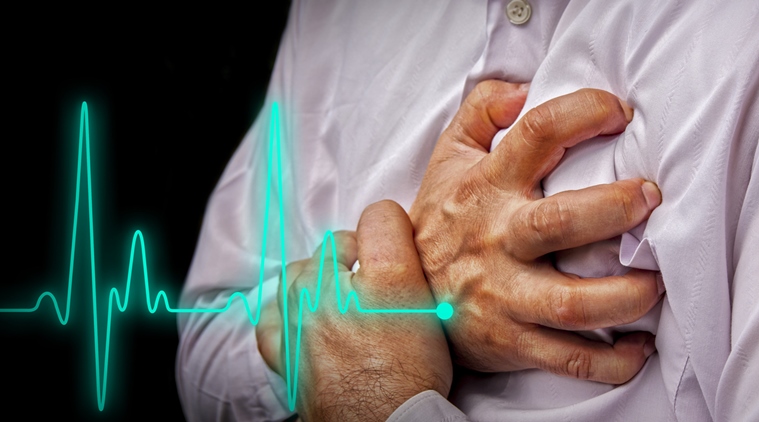 Plaque build-up occurs 10 to 15 years earlier in HIV patients than in the uninfected population, the study said.
Thứ Sáu, 30 tháng 12, 2016
Diet diary: The morning after — tackling the holiday hangover
The pounding headache, exhaustion and sickness the morning after a night of drinking and carousing signify a hangover. One may also feel depressed, anxious, irritable, experience muscle and joint pains and become sensitive to light. Hangovers are no fun and may even last couple of days. They usually begin within several hours of the last drink, when blood alcohol level is dropping. Symptoms normally peak about the time alcohol level reaches zero, and may continue for an entire day. Alcohol may cause: # Dehydration leading to headache, dry mouth and electrolyte imbalance. # Irritation of the stomach and intestines, contributing to pain and nausea. # Hypoglycemia (fall in blood sugar levels) leading to lethargy and lack of energy, which could be serious for diabetics. # Disturbed sleep patterns and biological rhythms contributing to fatigue. # Irregular heart-beats (arrhythmia). Factors that can worsen hangover: # Congeners (toxic chemicals formed during fermentation) in most alcoholic beverages are widely responsible for headaches and vicious hangovers. For example, congener methanol. # Use of drugs, especially nicotine through cigarette smoking. # Personality traits such as neuroticism. # Negative life events and feelings of guilt. Research shows that gin and vodka, beverages that contain less of the biologically active compounds cause fewer headaches. Contrary to popular opinion, combination of different alcoholic beverages is unlikely to cause hangover except if you have consumed too much. Handling the hangover? # Drink plenty of water before going to bed. Fresh lime water, juices, coconut water, plain sodas can also be beneficial. # Taking vitamin B6 or an extract from optunia ficus indica (a prickly pear cactus) before drinking may reduce the severity of hangover. A simple B vitamin supplement would do. # Eating bland food that contain complex carbohydrates, such as toast and crackers, can combat low blood sugar and possibly nausea. # Adequate rest and sleep can ease fatigue. # Drinking non-alcoholic, non-caffeinated beverages can alleviate depression. Contrary to popular belief caffeine can worsen symptom as it is a diuretic and increases urine production. # Certain medications can also relieve some symptoms. Antacids, for example, may relieve nausea and stomach pains. Key recommendations: # Those who choose to drink alcoholic beverages should do so sensibly and in moderation – defined as the consumption of up to one drink per day for women and up to two drinks per day for men. # Alcoholic beverages should not be consumed by some individuals, including those who cannot restrict their alcohol intake, women of childbearing age who may become pregnant, pregnant and lactating women, children and adolescents, individuals taking medications that can interact with alcohol, and those with specific medical conditions. # Alcoholic beverages should be avoided by individuals engaging in activities that require attention, skill, or coordination, such as driving or operating machinery. Drink plenty of water before going to bed. Fresh lime water, juices, coconut water, plain sodas can also be beneficial.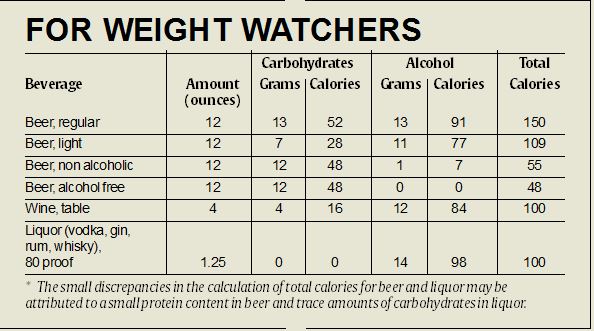
Fighting diabetes through yoga, AYUSH activities focus in 2016
If 2015 saw a marketing blitzkrieg to showcase yoga to the world, this year was about dedicating it and other AYUSH practices for treatment of diabetes. Quality concern in herbal medicine, however, remains a challenge that needs to be addressed through validation and proper enforcement of regulation. Faced with questions about scientific basis of traditional medicines, the AYUSH Ministry entered into an agreement for improving international acceptability and branding of AYUSH systems. Watch What Else is Making News Benchmarks for training in yoga and practice in ayurveda, unani medicine and panchakarma will help ensure the highest standards in quality, safety and effectiveness of traditional medicines, the ministry said. India also partnered with the US to initiate research efforts on traditional medicines for cancer treatment and the first US-India workshop on traditional medicine was held. Recently, yoga as an “ancient Indian practice” was inscribed on UNESCO’s representative list of Intangible Cultural Heritage of Humanity. On International Yoga Day celebrations in Chandigarh, Prime Minister Narendra Modi appealed to all that yoga must be devoted to fighting diabetes. “All people belonging to the field of yoga must continue with their yoga activities but diabetes must be the main focus,” he said. Following which a yoga protocol to fight diabetes mellitus, developed by a committee of experts, was unveiled in October. This protocol includes various exercises and diet regimen that a patient can follow. Continuing with the theme, a national protocol was also launched for treating diabetes through ayurveda. These guidelines prescribe medicines for different symptoms. The protocol also includes a list of fruits and vegetables a diabetic patient should or should not eat. It also recommends an active lifestyle, physical exercise, yoga in order to avoid falling prey to diabetes. The emphasis on diabetes also landed the ministry in a major controversy after a misleading advertisement of an ayurvedic medicine, AYUSH-82, for diabetes gave a false notion that diabetics could avoid using insulin after taking the drug for a few months. This was in contravention of Drugs and Magic Remedies Objectionable Advertisements Act-1954 which disallows advertisements of cure for chronic illnesses like diabetes. The advertisement was subsequently pulled off air in October. Questions have also been raised about research and clinical trial methods for AYUSH-82 before making tall claims. AYUSH Minister Shripad Yesso Naik admitted that quality concern with traditional medicines was a huge challenge. “Many questions are raised about the scientific basis of traditional medicine, their quality, safety and efficacy. It is true that the facet of the traditional and complex herbal formulation can’t be explained fully on the conventional parameters used for testing of chemical drugs. “But for the sake of safety and consumers to use these medicines with confidence, it is necessary to ensure quality of products,” he said. Benchmarks for training in yoga and practice in ayurveda, unani medicine and panchakarma will help ensure the highest standards in quality, safety and effectiveness of traditional medicines, the AYUSH ministry said. (Source: File)
Indian researchers show how brain responds to trauma
In a major step towards developing new therapeutic approaches to treat post-traumatic stress disorder (PTSD), a study by Indian scientists has gained insights into how a single instance of severe stress can lead to delayed and long-term psychological trauma. A single stressful incident can lead to increased electrical activity in a brain region known as the amygdala, a small, almond-shaped group of nerve cells that is located deep within the temporal lobe of the brain, the findings showed. Watch What Else is Making News This activity sets in late, occurring about 10 days after a single stressful episode, and is dependent on a molecule known as the N-Methyl-D-Aspartate Receptor (NMDA-R), an ion channel protein on nerve cells known to be crucial for memory functions, said the study published in the journal Physiological Reports. “We showed that our study system is applicable to PTSD. This delayed effect after a single episode of stress was reminiscent of what happens in PTSD patients,” said lead researcher Sumantra Chattarji from the National Centre for Biological Sciences, Bengaluru. PTSD is a mental condition that develops in a delayed fashion after a harrowing experience. Investigations earlier revealed major changes in the microscopic structure of the nerve cells in the amygdala due to a stressful experience. Stress appeared to have caused the formation of new nerve connections called synapses in this region of the brain. However, until now, the physiological effects of these new connections were unknown. “We know that the amygdala is hyperactive in PTSD patients. But no one knows as of now, what is going on in there,” he added. In the current study, Chattarji’s team established that the new nerve connections in the amygdala lead to heightened electrical activity in this region of the brain. “Most studies on stress are done on a chronic stress paradigm with repeated stress, or with a single stress episode where changes are looked at immediately afterwards – like a day after the stress,” Farhana Yasmin, one of Chattarji’s students, said . “So, our work is unique in that we show a reaction to a single instance of stress, but at a delayed time point,” she added. Furthermore, a well known protein involved in memory and learning, called NMDA-R was recognised as one of the agents that bring about these changes. Blocking the NMDA-R during the stressful period not only stopped the formation of new nerve connections called synapses, it also blocked the increase in electrical activity at these synapses, the study said. PTSD is a mental condition that develops in a delayed fashion after a harrowing experience. (Source: File)
Thứ Năm, 29 tháng 12, 2016
Even low levels of manganese can cause manganism: Study
Welders exposed to airborne manganese at estimated levels set under federal safety standards can also develop neurological problems like Parkinson’s disease and the current safety standards may not adequately protect workers from the dangers of the job, a new research has found. According to a study published in the journal Neurology, the more welders are exposed to manganese-containing welding fumes, faster the workers’ signs and symptoms worsen. Watch What Else is Making News “We found that chronic exposure to manganese-containing welding fumes is associated with progressive neurological symptoms such as slow movement and difficulty in speaking,” said Brad A. Racette, Professor at Washington University in St. Louis, US. The researchers explained that at high levels, manganese can cause manganism, with symptoms like slowness, clumsiness, tremors, mood changes and difficulty in walking and speaking. Researchers suspected that there may still be some health effects at levels much lower than what is allowable per standards set by Occupational Safety and Health Administration (OSHA) standards decades ago. “Many researchers view what is allowable as too high a level of manganese, but until now there really were not data to prove it,” said Racette. The researchers studied 886 welders at three sites. They found that the neurological signs showed up in people with an estimated exposure of only 0.14 mg of manganese per cubic meter of air, far below the safety standard set by OSHA at five mg per cubic meter. The American Conference of Governmental Industrial Hygienists had recommended in 2013 that the limit should be brought down to 0.02 mg of manganese per cubic meter. “Reducing OSHA’s allowable levels of manganese would probably make a big difference in terms of safety and help workers avoid such risks,” Racette suggested. According to a study published in the journal Neurology, the more welders are exposed to manganese-containing welding fumes, faster the workers’ signs and symptoms worsen. (Source: File)
Community-based therapy may alleviate depression, anxiety
A community-based mental health care programme can significantly improve the lives of millions of people suffering from mental illness, researchers have found. The study showed that six months after undergoing the six weekly therapy sessions by Canada-based organisation ‘Friendship Bench’, participants showed significant change in the severity of their depression, anxiety and suicidal thoughts. The Friendship Bench is working to help students suffering from depression. Patients with depression or anxiety who received problem-solving therapy were more than three times less likely to have symptoms of depression after six months, compared to patients who received standard care. Watch What Else Is In News? They were also four times less likely to have anxiety symptoms and five times less likely to have suicidal thoughts than the control group after follow-up. The intervention also improved health outcomes among highly vulnerable individuals who are HIV positive, experienced domestic violence or physical illness. “In developing countries, nearly 90 per cent of people with mental disorders are unable to access any treatment,” said Peter A. Singer, Chief Executive Officer of Grand Challenges Canada — an organisation working for global health. “We need innovations like the Friendship Bench to flip the gap and go from 10 per cent of people receiving treatment, to 90 per cent of people receiving treatment,” Singer added. For the study, published in JAMA, the team involved 573 participants from Zimbabwe, where Friendship Bench is working on a project to make mental health care accessible to the entire African nation. The practitioners, who are lay health workers known as community “Grandmothers” provided the participants the problem solving therapy with three components — “opening up the mind, uplifting the individual, and further strengthening”. The intervention also improved health outcomes among highly vulnerable individuals who are HIV positive, experienced domestic violence or physical illness. (Representational image)
Painting strokes may help predict Alzheimer’s risk: Study
Analysing a person’s painting strokes may help detect the risk of neurodegenerative disorders such as Alzheimer’s and Parkinson’s disease, a new study suggests. Researchers from University of Liverpool in the UK examined 2,092 paintings from the careers of seven famous artists who experienced both normal ageing and neurodegenerative disorders. WATCH WHAT ELSE IS IN THE NEWS Of the seven, two had suffered from Parkinson’s disease (Salvador Dali and Norval Morrisseau), two had suffered from Alzheimer’s disease (James Brooks and Willem De Kooning) and three had no recorded neurodegenerative disorders (Marc Chagall, Pablo Picasso and Claude Monet). The brushstrokes of each of the paintings were analysed using a method of applying non-traditional mathematics to patterns known as ‘Fractal’ analyses to identify complex geometric patterns. Fractals are mathematical characterisations of self-repeating patterns often described as the ‘fingerprints of nature’. They can be found in natural phenomena such as clouds, snowflakes, trees, rivers and mountains. This method has also been used to determine the authenticity of major works of art. Although painters work within a different style or genre, the fractal dimension in which they operate should remain comparable. The results were examined to see if the variations in an artist’s unique ‘fractals’ in their work over their career were due to them just increasing in age or because of ongoing cognitive deterioration. The study showed clear patterns of change in the fractal dimension of the paintings differentiated artists who suffered neurological deterioration from those ageing normally. “Art has long been embraced by psychologists an effective method of improving the quality of life for those persons living with cognitive disorders,” said Dr Alex Forsythe from the university’s School of Psychology. “We have built on this tradition by unpicking artists ‘handwriting’ through the analysis of their individual connection with the brush and paint. This process offers the potential for the detection of emerging neurological problems,” said Forsythe. “We hope that our innovation may open up new research directions that will help to diagnose neurological disease in the early stages,” Forsythe added. The study was published in the journal Neuropsychology.
Study shows elderly treated by female doctors have better survival chances
In a surprise finding, a team of Harvard University researchers including one of Indian origin has found that elderly patients treated by female physicians are less likely to die within 30 days of admission, or to be readmitted within 30 days of discharge, than those cared for by male physicians. The study, published online in JAMA Internal Medicine, indicated that potential differences in practice patterns between male and female physicians may have important clinical implications. “The difference in mortality rates surprised us. The gender of the physician appears to be particularly significant for the sickest patients,” said lead author Yusuke Tsugawa, research associate at the Harvard T.H. Chan School of Public Health in Massachusetts. For the study, the team analysed data from more than one million Medicare beneficiaries aged 65 years or older and hospitalised with a medical condition. The findings showed that the patients, if treated by a female physician, had a four per cent lower relative risk of dying prematurely and a five per cent lower relative risk of being readmitted to a hospital within 30 days. The association was seen across a wide variety of clinical conditions and variations in severity of illness. If male physicians could achieve the same outcomes as their female colleagues, there would be 32,000 fewer deaths each year — a number comparable to the annual number of motor vehicle accident deaths nationally, the researchers estimated. “Our findings suggest that the differences matter and are important to patient health. We need to understand why female physicians have lower mortality so that all patients can have the best possible outcomes, irrespective of the gender of their physician,” added Ashish Jha, professor of Health Policy and director of the Harvard Global Health Institute. “But women physicians are usually treated very differently — they are less likely to be promoted and are generally paid less than their male counterparts,” Jha rued. For the study, the team analysed data from more than one million Medicare beneficiaries aged 65 years or older and hospitalised with a medical condition. (Source: Thinkstock images)
Thứ Tư, 28 tháng 12, 2016
Claw Toes sign of underlying diabetes, says doctors
Claw Toes — a condition where toes bend into a claw-like position — is a sign of an underlying medical condition such as diabetes or neurological problems, doctors said. According to the doctors, though claw foot is not painful the patients experience discomfort while walking. As there is no sensation it is ignored. This has even started occurring in young people including in their late 20s. “Rheumatoid Arthritis (RA) is one of the leading causes for claw toe in India especially in women. As foot related problems are also very common among diabetics, every diabetic must have had claw toe at some point of life,” said Pradeep Moonot, an orthopaedician at Breach Candy Hospital in Mumbai. Moonot, who specialises in foot and ankle surgeries, said according to a survey, women in India are affected by claw toes five times more than men. “Prevalence of claw toes deformity gradually increases with advancing age and up to 20 per cent of the Indians are affected. This is observed most often in patients in their 7th or 8th decade of life, however, the age group affected by it is decreasing,” said Moonot. According to him, claw toes are classified based on two types — flexible and rigid — on the mobility of the toe joints. “There are two types — flexible and rigid. In a flexible claw toe, the joint has the ability to move. This type of claw toe can be straightened manually,” said Deepak Kumar, an orthopaedician from Safdarjung Hospital in Delhi. “A rigid claw toe does not have that same ability to move. Movement is very limited and can be extremely painful. This sometimes causes foot movement to become restricted leading to extra stress at the ball-of-the-foot, and possibly causing pain and the development of corns and calluses,” he added. He said that a combination of medical intervention, physiotherapy and home care can be recommended to treat claw toes, depending upon the severity and rigidity of the deformity. He said that there are cases when surgeries are also required. However, this happens when the deformity is in extreme condition with rigid toes. The bone at the base of the toe is shortened, so that more room is available to straighten out. “It is a day care surgery and patient is walking immediately. After surgery, the toes may take up to four to six weeks to heal,” said Kumar.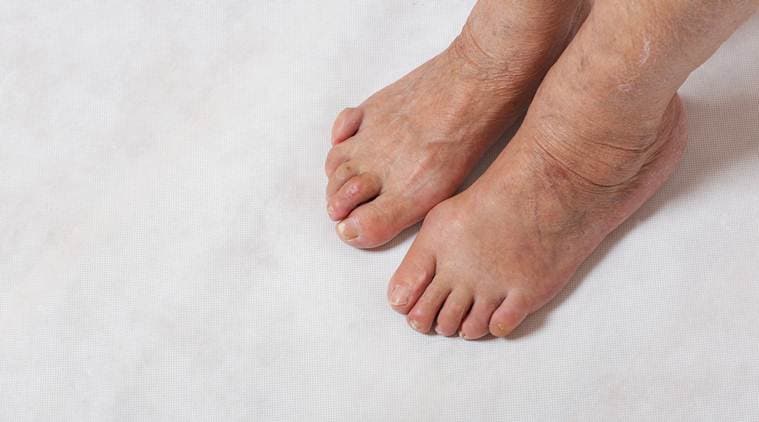 Claw toes are classified based on two types — flexible and rigid — on the mobility of the toe joints. (Source: Thinkstock images)
Decoded: Why music has a profound effect on our moods, emotions
Listening to sounds such as music and noise has a significant effect on an individuals’ moods and emotions, possibly as a result of brain dopamine regulation — a neurotransmitter strongly involved in emotional behaviour and mood regulation, researchers have found. However, the differences in dopamine receptors may drive the differences between individuals, the researchers said. The study revealed that a functional variation in dopamine D2 receptor (DRD2) gene modulates the impact of music as opposed to noise on mood states and emotion-related prefrontal and striatal brain activity. “Our results suggest that even a non-pharmacological intervention such as music might regulate mood and emotional responses at both the behavioural and neuronal level,” said Elvira Brattico, Professor at Aarhus University in Denmark. For the study, 38 healthy participants were recruited, with 26 of them having a specific “GG variant” of DRD2 and 12 a “GT variant”. They underwent functional magnetic resonance imaging (fMRI) during performance of an implicit emotion-processing task while listening to music or noise. The results showed that in participants with DRD2GG receptors the mood improved after music exposure, whereas in GT partipants mood deteriorated after noise exposure. Moreover, the music, as opposed to noise environment, decreased the striatal activity of GT subjects as well as the prefrontal activity of GG subjects while processing emotional faces. These findings suggest that genetic variability of dopamine receptors affects sound environment modulations of mood and emotion processing, the researchers suggested. Importantly, these study encourages the search for personalised music-based interventions for the treatment of brain disorders associated with aberrant dopaminergic neurotransmission as well as abnormal mood and emotion-related brain activity, Brattico said, in the paper published in the journal Neuroscience. These findings suggest that genetic variability of dopamine receptors affects sound environment modulations of mood and emotion processing, the researchers suggested. (Source: Thinkstock images)
5 health benefits of Black Chickpeas
Are you a fitness freak and want to keep your immune system strong? If yes, then add black chickpeas to your diet. It is a bean which is very similar to the the Yellow Chickpeas and is overloaded with nutrients like iron, protein, copper and vitamins. Mostly, non-vegetarians get their share of protein from fish, chicken and meat but vegetarians do not have much of an option other than lentils. Fortunately, the black chickpea or ‘kala chana’ as it is popularly known as acts as a major source of protein for vegetarians. “Black chickpeas are a great source of fibre and it helps in regulating the blood sugar level. It also helps in reducing weight and helps avoid the formation of acids in the body and prevents bloating,” says Dr Taranjeet Kaur, metabolic balance coach and senior nutritionist, AktivOrtho, New Delhi. She further adds, “Black chickpeas keeps your digestive system strong, but it shouldn’t be taken in excess as it can really disturb your stomach. In addition, it contains phytochemicals called saponins which are very good in preventing cancer and a good amount of choline that really helps in developing the brain.” We further break down the 5 health benefits of black chickpeas for you: Boon for bones: Other than being a good source of phosphate, iron, magnesium, manganese and zinc, black chickpeas is also high in calcium and contains vitamin K which helps in making the human bones stronger and healthier. Keeps heart healthy: Black Chickpeas contain an excellent amount of fibre, which helps lower the cholesterol level in the blood and decreases the risk of cardiac arrest. Most importantly, it contains vitamin C that functions as a powerful antioxidant and keeps your heart healthy and disease free. Prevents cancer: Saponins, which are phytochemicals present in black chickpeas prevent cancer cells from multiplying and spreading throughout the body. Also, selenium is a mineral which we do not get from fruits and vegetables, but interestingly, it is present in black chickpeas. It plays an important role in detoxifying cancer-causing compounds in the body. Development of brain: Chickpeas have versatile nutrients in it called ‘Choline’, which helps in sharpening your memory. Just 50g of black chickpeas can really sharpen your mind. For healthy hair: Black chickpeas have a very good amount of zinc and protein. It can stop hair fall and slow down the process of premature greying. Black Chickpea or kala chana is overloaded with nutrients like iron, protein, copper and vitamins. (Source: Pixabay)
Thứ Ba, 27 tháng 12, 2016
Scientists use stem cells to restore testosterone
Chinese researchers have developed a potential new and safe approach for treating male hypogonadism, popularly known as male andropause, by directly converting adult skin cells into testosterone-producing cells. Male hypogonadism, a condition affecting almost a third of older men, occurs when the body does not produce enough of the testosterone hormone, primarily due to the dysfunction of testosterone-producing Leydig cells in the testes. WATCH WHAT ELSE IS IN THE NEWS Testosterone replacement therapy can alleviate some symptoms resulting from Leydig cell failure such as mood disturbances, sexual dysfunction and muscle weakening, but it may also increase the risk of prostate and cardiovascular complications, including the formation of blood clots, a new study published this week in the US journal Stem Cell Reports said. Scientists then turned to an alternative type of treatment, which involved production of Leydig cells by differentiating stem cells of different sources, such as embryonic stem cells, but the stem cell-based method has ethical concerns and the risk of tumor occurrence. In the new study, Yadong Huang and Zhijian Su of China’s Jinan University reasoned that the direct conversion of adult skin cells into Leydig cells would be a safer regenerative medicine approach, state run Xinhua news agency reported. To test this idea, the researchers screened 11 so-called transcription factors that could affect the ability of Leydig cells to produce testosterone.By genetically manipulating three of the transcription factors, they were able to directly reprogram mouse skin cells into functional Leydig-like cells, which showed normal gene activity and were capable of producing testosterone. When transplanted into the testes of rats or mice with hypogonadism, these cells survived and restored normal testosterone levels. “Our study is the first to report a method for generating Leydig cells by means of direct cell reprogramming,” Huang of Jinan University said. “This alternative source of Leydig cells will be of great significance for basic research and provides the attractive prospect of clinical application in the field of regenerative medicine,” he said. The researchers suggested that future studies should aim to improve the efficiency of the approach to generate a pure population of cells that closely mimic adult Leydig cells. “In the end, we are hopeful that this research will pave the way for clinical trials testing a novel regenerative medicine approach to treat androgen deficiency in men,” Su said.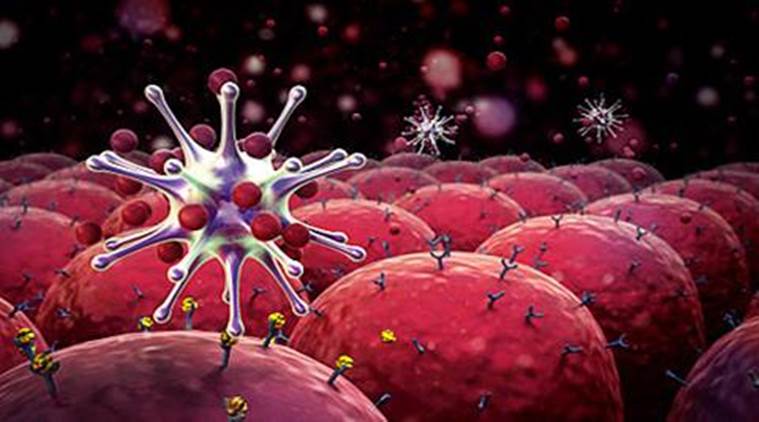 Chinese researchers have developed an approach to directly convert adult skin cells into testosterone-producing cells. (Source: Express Photo)
Over 200-year-old tumour diagnosis confirmed
Watch what else is making news: “It started out as a bit of fun exploration, but we were amazed by John Hunter’s insight,” said Dr Christina Messiou. Hunter’s huge medical collection is housed at the Hunterian Museum at the Royal College of Surgeons. It includes his colourful notes describing a man who arrived at St George’s Hospital, in 1786, with a hard swelling on his lower thigh. “It appeared to be a thickening of the bone, it was increasing very rapidly… On examining the diseased part, it was found to consist of a substance surrounding the lower part of the thigh bone, of the tumour kind, which seemed to originate from the bone itself,” the note read. Hunter amputated the man’s leg and he recovered briefly for four weeks, ‘BBC News’ reported. The patient died seven weeks after the operation and an autopsy discovered bony tumours had spread to his lungs, the lining of the heart and on the ribs. “I think his diagnosis is really impressive and in fact his management of the patient followed similar principles to what we would have done in the modern day,” said Messiou.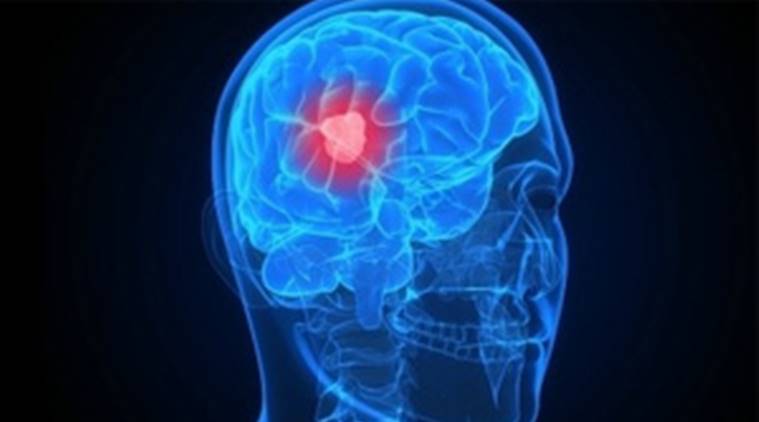 Doctors in the UK have confirmed a diagnosis made more than 200 years ago by one of the medicine’s most influential surgeons in a patient with a “tumour as hard as bone”. Doctors at Royal Marsden Hospital analysed patient samples and case notes, which were preserved at the museum named after the surgeon John Hunter in London. The team believes that Hunter’s centuries-old samples may give clues as to how cancer is changing over time.
Research shows synthetic stem cells could improve therapy
Researchers have developed a synthetic version of a cardiac stem cell that could offer therapeutic benefits comparable to those from natural stem cells and could reduce some of the risks associated with stem cell therapies. Stem cell therapies aid damaged tissue in repairing itself by secreting “paracrine factors,” including proteins and genetic materials. While stem cell therapies can be effective, they are also associated with some risks of both tumour growth and immune rejection. Also, the cells themselves are very fragile, requiring careful storage and a multi-step process of typing and characterisation before they can be used. “The synthetic cells operate much the same way a deactivated vaccine works,” said Ke Cheng, Associate Professor at North Carolina State University in the US. “Their membranes allow them to bypass the immune response, bind to cardiac tissue, release the growth factors and generate repair, but they cannot amplify by themselves. So you get the benefits of stem cell therapy without risks,” Cheng explained. In this study, reported in the journal Nature Communications, the researchers created the synthetic version of a cardiac stem cell that could be used in off-the-shelf applications. When tested in vitro, it was found to promote the growth of cardiac muscle cells. The synthetic stem cells are much more durable than human stem cells, and could tolerate harsh freezing and thawing. They also do not have to be derived from the patient’s own cells and the manufacturing process can be used with any type of stem cell, said the study. “We are hoping that this may be a first step toward a truly off-the-shelf stem cell product that would enable people to receive beneficial stem cell therapies when they’re needed, without costly delays,” Cheng said.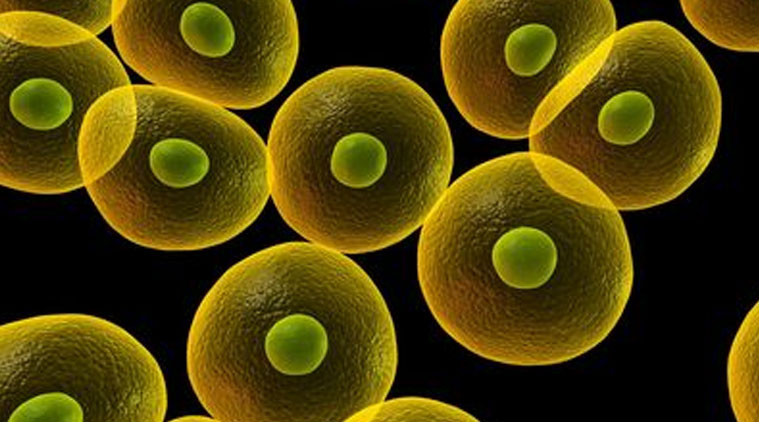 The synthetic stem cells are much more durable than human stem cells, and could tolerate harsh freezing and thawing.
Thứ Hai, 26 tháng 12, 2016
Congenital anomalies infant death births infant mortality rate
Congenital anomalies were estimated to contribute to 60,699 neonatal deaths in India in 2013, which accounted for the highest global burden of neonatal mortality due to congenital anomalies. Now, a first-of-its-kind study from India shows that congenital anomaly rates were high, affecting one in 44 births. In 2010, congenital anomalies were estimated to be the fifth largest cause of neonatal deaths in India after preterm births (34.7 per cent), intrapartum complications (19.6 per cent), pneumonia (16.3 per cent) and neo-natal sepsis (15 per cent) . The Global Burden of Disease Study 2013 identified congenital anomalies among the top 10 causes of mortality in children less than five years of age. However, in India, there is scant data on the number of live born children with birth defects, mainly as they are not considered to be significant public health problems in low- and middle-income countries. Now, a new study reported in PloS journal measured the magnitude and types of congenital anomalies among over 2,000 urban women, attending antenatal clinics at government hospitals in Pune, the eighth largest city in India. The findings are significant as the data implied that one in 44 births was affected with a major congenital anomaly. This ambitious Pune Urban Birth Outcome study was undertaken among 2,107 women reporting for first antenatal checkup (ANC) at four government hospitals in Pune. Anita Kar, professor at School of Health Sciences, Pune University, who guided PhD students Prajakta Bhide and Pooja Gund in the research, said this study was initiated as there is no national surveillance to measure the magnitude of congenital anomalies occurring in India, and earlier cross-sectional studies have shown wide differences in overall prevalence rates. The study was supported by the UGC with Potential for Excellence (UGC-UPE) Holistic area and Pune University. One in five births were found to be low birth weight, one in nine were preterm births, one in 20 pregnancies resulted in a miscarriage and stillbirths affected one in 44 births. Data showed that congenital heart defects (CHDs) were the most prevalent anomalies (65.86 per 10 000 births), with atrial septal defects (43.91 per 1,0 000 births) and ventricular septal defects (27.44 per 10 000 births) being the most commonly present heart defects. The most frequent nervous system anomalies were neural tube defects (27.44 per 10,000 births). Kar pointed out that the data implied that one in 44 births was affected with a major congenital anomaly, one in 152 births was affected with a congenital heart defect, one in 304 births was affected with talipes or a renal anomaly, while one in 364 births presented with a neural tube defect. Of the 22 neonatal deaths, 41 per cent (9/22) were due to prematurity, 32 per cent (7/22) was due to congenital anomalies, 9 per cent (2/22) was due to birth asphyxia and one was a case of milk inhalation. Researchers have stressed that the first requirement for a policy to prevent birth defects is the need to establish surveillance for such defects. Researchers have stressed that the first requirement for a policy to prevent birth defects is the need to establish surveillance for such defects.
Chủ Nhật, 25 tháng 12, 2016
Beijing buyers club? China's cancer patients gamble on gray market

By Adam Jourdan
SHANGHAI (Reuters) – When her father’s lung cancer worsened, Yin Min, a 51-year-old financial broker from Shanghai, faced a choice: pay nearly $3,000 a month for an approved drug or pay a fraction of the price for a generic drug not approved for use in China.
Yin, like many families in China, turned to the increasingly popular, unregulated market of online pharmacies, agents and peer groups for drugs.
She bought a generic version of Iressa, not approved for use in China, directly from a manufacturer in India.
“With this sort of misfortune, it’s hard to put into words the financial pressure you feel,” Yin told Reuters.
Of 30 cancer patients interviewed by Reuters over the past year, two thirds took routes similar to Yin’s, pushed by China’s high drug prices and a lack of access to newer drugs. The patients were aged between 32 and 81, had varying income levels and suffered from a variety of cancers.
There is no official data on how many cancer patients in China turn to unregulated channels, but research indicates an increase globally in the use of gray and counterfeit markets.
Liu Xuemei, a 61-year-old carcinoma patient from Beijing, said she went through a pharmacy agent to get a cheaper alternative to the approved Zadaxin, while Zhao Xiaohua, who has lung cancer, said he found a cheaper treatment through a patients group recommended by his doctor. Patients Reuters spoke to said doctors often turn a blind eye to them accessing drugs through the gray market, and some actively help them do this.
Medicines bought through unofficial channels are not necessarily harmful, and some of the Indian generics available online are approved for use in other markets. But they can include drugs that are ineffective or fake.
The reason patients in China turn to these unregulated channels are largely financial.
Low average salaries, a chasm between urban and rural wealth, and creaking state reimbursement schemes mean serious disease is among the leading causes of poverty, creating a major social burden and rising debt.
In Yin’s case, the generic drug she bought was 13 times less expensive than the China-approved branded Tarceva.
But Chinese also turn to unofficial channels because of bottlenecks in China’s drug approvals, which pharmaceutical executives say can mean drugs lag markets like the United States by 5-10 years. China requires all new drugs to be tested and approved in the country, but has a shortage of specialists for this work.
The national drug reimbursement list, the main catalog of medicines covered by state health insurance, is being updated for the first time since 2009. That means even if a drug has been approved, patients can often only access it if they pay for it themselves.
China’s health ministry did not respond to Reuters’ questions about patients turning to unregulated channels to buy medicines, or the lack of access to new drugs.
The high cost of drugs is not confined to China, and there has been a jump globally in so-called ‘buyers clubs’ – informal patient groups sourcing drugs via the grey market to help those with HIV and hepatitis access drugs at more affordable prices.
LIMITED OPTIONS
China last year had four million new cancer cases, according to official data, and the nation’s personal healthcare bill is set to soar almost fourfold to 12.7 trillion yuan ($1.84 trillion) by 2025, according to Boston Consulting Group.
For many Chinese, being left outside the health system at a time of need is in sharp contrast to the ‘iron rice bowl’ concept of state benefits and guarantees for life.
“If we can’t buy the drug in China or we can’t afford to buy it, then what other options do we have?” asked Duan Guangping, a banker in Chongqing, whose mother got lung cancer in 2011. He bought a drug for her from Bangladesh.
China has sought to increase insurance coverage for serious diseases, and encourage drug makers to lower their prices to gain better market access. It has also tried to speed up the regulatory approval process by thinning out the waiting list, forcing manufacturers to withdraw new drugs where trial data isn’t strong enough.
But change has been slow.
“A lot of new oncology drugs were approved in the U.S. and UK, but in China there’s a 5-7 year delay,” said Li Tiantian, a former doctor and founder of medical platform DXY.com. “A lot of patients with cancer cannot wait.”
The overall 5-year survival rate for cancer in China is just over 30 percent, less than half the level in the United States, according to Deutsche Bank.
LEGAL RISK
Turning to unofficial channels can also carry a legal risk.
Leukemia patient Lu Yong, a prominent member of a local ‘buyers club’, was arrested last year and charged with selling unapproved drugs and credit card fraud. He was later released after a public outcry.
In 2004, after buying a generic version of Iressa from India, Lu helped set up an online group for leukemia patients, who wanted the same drugs he was getting at a fraction of the price of the approved drug in China.
The generic started at around 3,000 yuan ($435) and the price slowly dropped over the years, Lu said – to a long way below the price of the approved drug from AstraZeneca .
“There was no other option, so we took this path even though what we were doing was against the law,” Lu told Reuters before his arrest.
Lu declined to comment to Reuters after his release, but in his earlier interview he said he never profited from the transactions and only helped other patients to make the complicated overseas payments. “It’s because of problems with China’s public health insurance system that so many seriously ill patients aren’t able to survive,” he said then.
(Reporting by Adam Jourdan and SHANGHAI newsroom; Editing by Ian Geoghegan)
New York: First detection of bird flu spread from cat to human
In what may be the first known transmission of bird flu from cats to humans, a veterinarian in the US has been infected with a strain of avian flu that spread among more than 100 cats at animal shelters. However, the New York City Department of Health and Mental Hygiene (DOHMH) in the US said that its ongoing investigation of the outbreak of H7N2, a strain of influenza A virus, among cats housed at Animal Care Centres (ACC) shelters confirms that the risk to humans is low. The infected veterinarian was involved in obtaining respiratory specimens from sick cats. The illness was mild, short-lived, and has resolved. More than 160 employees and volunteers, including several people who had similar exposure to sick cats, were screened by the Health Department and not found to have infection. The Health Department also contacted more than 80 per cent of the people who adopted cats from the shelter and none is suspected of having H7N2. There have been two previous documented human cases of H7N2 infection in the US – one in a person managing an outbreak of the virus in turkeys and chickens in 2002 and the other with an unknown source in 2003. Both of these patients also had mild illness and recovered. This is the first reported case due to exposure to an infected cat. There has been no documented human-to-human transmission. “Our investigation confirms that the risk to human health from H7N2 is low, but we are urging New Yorkers who have adopted cats from a shelter or rescue group within the past three weeks to be alert for symptoms in their pets,” said Health Commissioner Mary T Bassett. Since last week, more than 100 cats have tested positive for H7N2 across all NYC shelters. This was expected because the virus is highly contagious among cats. All of the newly infected cats are experiencing mild illness and have been separated from other animals in the shelters. One cat admitted to the shelter with H7N2 infection died. ACC suspended adoptions of cats once the virus was discovered. The Health Department, working with ACC, has identified a location where the cats will be quarantined soon, which will allow ACC to resume full intake and adoption of cats. The infected veterinarian was involved in obtaining respiratory specimens from sick cats. The illness was mild, short-lived, and has resolved. (Source: Representative photo/ PTI file)
Thứ Bảy, 24 tháng 12, 2016
Why more people die of heart disease around Christmas
Deaths related to heart disease go up around Christmas and they are not because of the cold winter season when death rates are usually at a seasonal high, says a study. Debunking the belief that the spike in deaths during Christmas is mainly due to the cold winter season, the study said that people tend to hold back in seeking medical care during the holiday season, a factor that could probably explain the rise in such deaths. “Spikes in deaths from natural causes during Christmas and New Year’s Day has been previously established in the US,” said study author Josh Knight from the University of Melbourne in Australia. “However, the Christmas holiday period (December 25th to January 7th) in the US falls within the coldest period of the year when death rates are already seasonally high due to low temperatures and influenza,” Knight said. In this study, researchers analysed trends in deaths in New Zealand, where Christmas occurs during the summer season when death rates are usually at a seasonal low allowing researchers to separate any winter effect from a holiday effect. The study published in JAHA: Journal of the American Heart Association found a 4.2 per cent increase in heart-related deaths occurring away from a hospital from December 25 – January 7. During the 25-year study, the average age of cardiac death was 76.2 years during the Christmas period, compared with 77.1 years during other times of the year. Although more research is needed to explain the spike in deaths, the researchers suggested one possibility may be that patients hold back in seeking medical care during the holiday season. “The Christmas holiday period is a common time for travel within New Zealand, with people frequently holidaying away from their main medical facilities. This could contribute to delays in both seeking treatment, due to a lack of familiarity with nearby medical facilities, and due to geographic isolation from appropriate medical care in emergency situations,” Knight said. Deaths during Christmas is mainly due to the cold winter season, the study said that people tend to hold back in seeking medical care during the holiday season, a factor that could probably explain the rise in such deaths.. (AP Photo/Julio Cortez)
Watch what else is making news:
Diet diary: Remember, sugar is more addictive than cocaine
Sugar’s role in metabolic diseases like diabetes is well known, but its impact is far more than that. Intake of excess sugar can lead to coronary heart disease, obesity, insulin resistance, metabolic syndrome, polycystic ovary syndrome, lowered immunity, impaired brain function and increased risk to cancer. In fact, sugar has been found to be addictive in nature, which really means ‘the more you have, the more you want’. Sugar uses the same neurological pathways as narcotics, to hit the pleasure centre of the brain that sends out the signals: “eat more, eat more”. Recently, researchers have found that sugar is eight times more addictive than cocaine. There is an urgent need to consider cutting back on sugar in our diets. No wonder the WHO has brought down the recommended sugar intake to half, from 10 per cent to 5 per cent of the total caloric intake, which is about 4-6 teaspoons a day for an average 2,000-calorie diet. The good news is that a few simple things can help you reduce your sugar intake, disease risk, and increase energy levels and improve your skin. Here are some tips: * Cut back on your sugar consumption: If you currently eat a lot of sugar, it can be hard to stop eating it all of a sudden. Not only is it more of a challenge to find good, healthy foods to eat, but it can also have a negative effect on your body. Someone who goes from eating a lot of sugar to no sugar at all can feel irritable and low. So, cut down your sugar consumption gradually, over the course of a few weeks. * Learn to read labels: It might seem easy enough to choose healthy foods, but do you know that most no-fat and low-fat items are loaded with sugar? Read labels and remember that “sugar-free” food may be high in fat. Labels can be confusing and learning to look at the nutritional value can help you make healthier choices. * Learn how to decode the word ‘sugar’: Just because something is labelled sugar-free does not mean that it does not have some form of sugar in it. The following terms are all words to describe various forms of sugar: honey, jaggery, molasses, barley malt, brown sugar, cane sugar, corn sweetener, corn or agave syrup, sucrose, lactose, fructose, glucose, dextrose, maltose, galactose, grape sugar. * Watch what you drink: Drinks, even those that sound healthy like fruit juices, are often loaded with sugar. Along with soft drinks, you should be mindful of the amount of sugar in your tea, coffee, shakes and juices as well. Finally, keep in mind that sweetened wines, beer, liquors and mixed alcoholic drinks add to sugar calories indirectly as well. * Make your own food: You can control the amount of sugar consumed by finding recipes that use sugar substitutes instead of granulated, powdered or brown sugar. For example, fresh fruit purees and dried fruits help cut out sugar in cakes and desserts. * Limit refined carbohydrates: Carbohydrate-rich foods like white breads, pastas and so forth might not taste sweet, but they are only one step away from sugar. Two slices of bread are equal to two tablespoons of sugar. So your body really does not need sugar. Choose healthy carbohydrates instead, like low glycemic whole grains and pulses rich in fibre. * Nourish your body adequately. Sugar cravings can often be a result of missing nutrients. These include proteins, good fats, B-vitamins, magnesium, chromium and zinc. * Talk to your doctor: If you are diabetic or have another medical reason for wanting to cut down on sugar, you should not suddenly switch to a drastic diet to avoid all sugars. Your doctor or a professional nutritionist can help you come up with a great sugar-free plan that will fit your lifestyle. * Include plenty of raw vegetables in your diet. Along with healthy fats and adequate protein, they can help you control sugar cravings. Also, honey and jaggery work better than sugar as they contain enzymes and plant chemicals, which reduce cravings. Just one teaspoon of sugar in your diet can result in a gain of one kg of body fat in a year, not to mention the other metabolic ill effects. Sugar is everywhere and not many know how much excess we consume of it. As sweets are positively entrenched in our culture, as happy celebration foods, they can never be wished away.
Thứ Sáu, 23 tháng 12, 2016
Being overweight may alter your DNA, says study
The extra pounds that you gain during holidays may not only show up on your body but also alter your DNA and gene expression, warns a new large-scale study of 10,000 people including those of Indian ancestry. Researchers from Helmholtz Zentrum Munchen in Germany, found that a high body mass index (BMI) leads to epigenetic changes at nearly 200 loci of the genome – with effects on gene expression. Watch What Else Is Making News While our genes do not change in the course of life, our lifestyle can directly influence their surroundings. Epigenome refers to everything that happens on or around the genes. Up to now there has not been much research on how the epigenome is altered as a result of being overweight, researchers said. “This issue is particularly relevant because an estimated one and a half billion people throughout the world are overweight, especially considering that being overweight can have adverse consequences and lead to diabetes and diseases of the cardiovascular and metabolic systems,” said Simone Wahl from Helmholtz Zentrum Munchen. The scientists examined the blood samples of over 10,000 women and men from Europe. A large proportion of these were inhabitants of London of Indian ancestry, who according to the researchers are at high risk for obesity and metabolic diseases. In a first step with 5,387 samples, the research team identified 207 gene loci that were epigenetically altered dependent on the BMI. They then tested these candidate loci in blood samples of an additional 4,874 subjects and were able to confirm 187 of these. Further studies and long-term observations also indicated that the changes were predominantly a consequence of being overweight. “In particular, significant changes were found in the expression of genes responsible for lipid metabolism and substrate transport, but inflammation-related gene loci were also affected,” said group leader Harald Grallert. From the data, the team was also able to identify epigenetic markers that could predict the risk of type 2 diabetes. “Our results allow new insights into which signalling pathways are influenced by obesity,” said Christian Gieger, head of the Research Unit Molecular Epidemiology (AME) at Helmholtz. “We hope that this will lead to new strategies for predicting and possibly preventing type 2 diabetes and other consequences of being overweight,” said Gieger. The research was published in the journal Nature.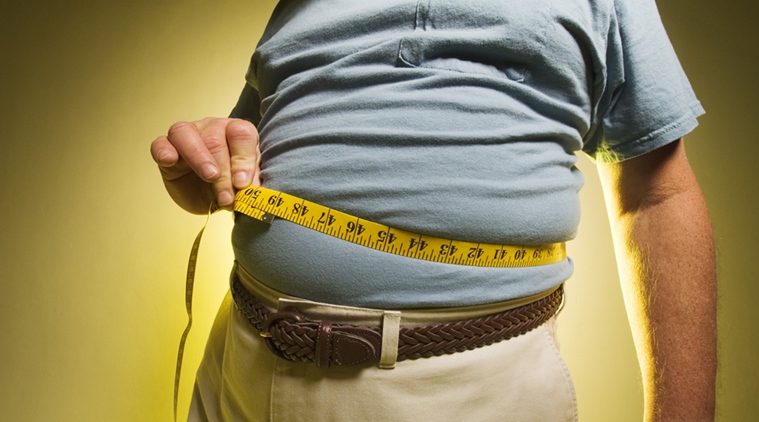 Researchers hope that this will lead to new strategies for predicting and possibly preventing type 2 diabetes and other consequences of being overweight. (Source: Thinkstock Images)