Neglected tropical diseases (NTDs) flourish mostly in impoverished, developing nations of the world, posing a massive economic and health burden. With weather changes, illnesses such as flu, viral fevers, and bacterial infections are on the rise. The most common NTDs — dengue and chikungunya — have plagued Delhi. While we can’t do much about the rains, we can certainly improve our digestion and strengthen our immune system. The simplest way to boost immunity is by following a good diet, doing plenty of exercise, getting adequate rest, and managing stress levels. A well-balanced and nutritious diet — comprising a variety of foods, adequate calories, healthy grains, pulses, fresh and green leafy vegetables, fruits, nuts, seeds, low-fat dairy, fatty fish and healthy fats — is crucial for good immune function. Special nutrients which enhance immunity include proteins, vitamins A (beta carotene), B, B6, pantothenic acid, vitamins C, D, E, and minerals including selenium, zinc, folic acid, iron, copper and magnesium. Seeking benefits from natural herbs and spices is a growing trend and presents an interesting avenue for the prevention and treatment of these conditions. A number of plant extracts, isolated compounds, essential oils and seaweeds have shown promising anti-viral, larvicidal and insecticidal activity against some mosquito vectors. Good digestion is key to a healthy immune system. Both probiotics and prebiotics support good digestion and must be part of a healthy diet. Patients suffering from such illnesses must have plenty of fluids, including coconut water, lemon water, vegetable juices and soups. Dietary guidelines for dengue and chikungunya patients: Include fresh fruits and vegetables in your meals. (Source: Thinkstock Images)
*Stick to a light, low-fat and easily digestible diet
*Have frequent but small meals
*Include fresh fruits and vegetables in your meals
*Include plenty of liquids like soups, broths, hot water, tea, ginger and tulsi tea.
*Avoid processed foods, bakery products and food made out of refined flour.
*Include anti-inflammatory foods like ginger, turmeric, honey, garlic cloves, haldi boiled in milk
*Seek timely medical advice.
Thứ Sáu, 30 tháng 9, 2016
Diet diary: To fight monsoon diseases, boost your immune system
Thứ Năm, 29 tháng 9, 2016
Say no to aerated drinks and stop taking shortcuts with food, insists fitness-savvy Shilpa Shetty Kundra
Say no aerated drinks and stop taking shortcuts with food, insists fitness-savvy Shilpa Shetty KundraThere is no denying that if there is one Bollywood actress who has maintained herself since the beginning of her career, it’s been Shilpa Shetty Kundra. The Chura Ke Dil Mera girl seems to get even more gorgeous with every passing year. So, it wasn’t a surprise to many when her debut book The Great Indian Diet became a best-seller. A fitness and yoga enthusiast, Shetty Kundra has publicly spoken about the need for a healthy diet and regular exercise on various fora. At one such event for #SmallStepsToHealthyHeart initiative by Saffola life, the actress shared a few basic things she does to ensure a healthy diet for herself and family. She categorically spoke against aerated drinks, urging people to not only keep kids away from them, but also keep off themselves. She emphatically said that she was against the consumption of such cold drinks, adding she’d seen many cases of cancer in her own family that though may not have been solely caused by such drinks, but they were definitely a factor. She went on to ask people to embrace Indian food habits and diets. Shetty Kundra spoke at length about how she’s seen Indians adopt Western food and cooking practices as opposed to traditional Indian ones that are increasingly gaining popularity in the West. The 41-year-old actress referred to Madonna preferring ghee and Victoria Beckham using coconut oil, as opposed to Indians now preferring to cook in olive oil over indigenous products. Rubbishing all suggestions that she doesn’t like food, the yoga enthusiast said that not only did she love food, but also loved cooking. Her only motto was “to eat right food at right time and in the right way.” Expounding on the shortcuts people take in today’s fast-paced life, the Phir Milenge star advised mothers to avoid “easy fixes” especially for their kids and urged them not to feed packaged meals to the young ones. “The advantage of being Indian is that our meals can’t be cooked in very little time, so if you just use your brain a little, with a small lifestyle shift this can be easily achieved.” Highlighting the benefits of chewing one’s food properly, she said, “If you chew your food well, you nearly lose 12 kilos a year!” Pushing for the fact that eating healthy and being happy is a proper way to live life, the Hollywood diva said, “We just lead our life in the old way”, suggesting that our earlier generations lived a better life than what we live now. Watch the full video of her tips and thoughts here. Shetty Kundra is now working on a second health book, and this time it’s on recipes. ‘Eat right food at right time and in the right way’, advises Shilpa Shetty Kundra. (Source: Indian Express File)
Teenage girls from breast cancer families not depressed: Study
Adolescent girls in families with a history of breast cancer or a high-risk BRCA1/2 mutation are less likely to experience negative psychological effects, finds a new study. “Overall, girls in families with a history of breast cancer seem to cope pretty well over time; they do worry more about breast cancer than their peers do, particularly as they get older, but that doesn’t seem to impact them in terms of depression, anxiety, and general psychosocial adjustment,” said Angela R. Bradbury, Assistant Professor at the University of Pennsylvania, US. The new research published in the Journal of Clinical Oncology followed 320 girls, 208 of whom were from families with a history of breast cancer or BRCA1/2 mutations in near relatives, while 112 had no such family history. The researchers interviewed the girls and their birth mothers and administered standard tests to assess their psychosocial adjustment, perception of breast cancer risk, and breast cancer-specific distress. The girls with a family history of breast cancer scored much higher on measures of perceived breast cancer risk and breast-cancer-specific distress compared to the controls, yet they had no symptoms of general psychosocial adjustment including anxiety and depression. Intriguingly, the girls from families with a history of breast cancer scored modestly but significantly higher on a measure of self-esteem. “Self-esteem was higher among girls with a stronger family history of breast cancer, whereas depression was lower with an increasing number of relatives with breast cancer,” Bradbury added. For all the girls in the study, perceptions of breast cancer risk rose as they grew older and matured mentally, and in terms of breast development. But the perceived risk was always higher among the girls with a breast cancer family history, suggested the findings. Adolescent girls are less likely to experience any negative psychological effects. (Picture for representational purpose only. Source: Jo-Anne Douglas/Flickr)
Thứ Tư, 28 tháng 9, 2016
Suspect may have killed father before opening fire at South Carolina school
By Harriet McLeod
CHARLESTON, S.C. (Reuters) – A teenager is believed to have shot and killed his father before going to a nearby elementary school in South Carolina and wounding two children and a teacher on Wednesday afternoon, authorities said.
A teacher called 911 to report a gunman and police arrived within 7 minutes at Townville Elementary School in Anderson County, located near the Georgia state line about 100 miles (160 km) northeast of Atlanta.
One of the 6-year-old children shot was in critical condition and in surgery at Greenville Memorial Hospital, Scott Stoller, Anderson County’s director of emergency services, told the Anderson Independent Mail.
(Additional reporting by Colleen Jenkins in Winston-Salem, North Carolina, Curtis Skinner in San Francisco and Laila Kearney in New York; Writing by Lisa Shumaker; Editing by Leslie Adler and Andrew Hay)
In India, more males found to be under stress than women
A health survey on revealed that around 80 per cent males are found to be living under stress, the percentage which is more as compared to women. “Eighty per cent males live under stress due to inadequate rest and heavy workload, whereas in the case of females, it is 74 per cent,” findings by a poll conducted on the eve of World Heart Day by ICICI Lombard General Insurance Inadequate rest (52 per cent) and heavy work load (51 per cent) emerged as the reasons behind triggering the “Moreover, 78 per cent respondents believe stress is the chief trigger for heart ailments. This view was common The survey also states that heart ailments (67 per cent) and high blood pressure (55 per cent) are the main According to the survey, lack of physical exercise was cited as one of the reasons for cardio vascular diseases with 56 per cent of respondents voting the same, followed by obesity (46 per cent). As a natural corollary, 54 per cent of respondents believe that by making exercising a daily routine can help in avoiding heart ailments followed with limiting calories (49 per cent). The survey also shows that 68 per cent of respondents have health insurance policy to manage health related expenses. Male respondents (14 per cent) claim increasing the coverage of their health insurance on a regular basis to make provisions for any emergency whereas majority of females (25 per cent) save money regularly to manage health related expenses. The survey also concludes that those having health insurance and are not stressed are more confident regarding “It is heartening to note the perceptible shift of people who are now taking into account heart ailments and the The nation-wide survey was conducted in the age group 25-55, to which they received over 1,100 responses spread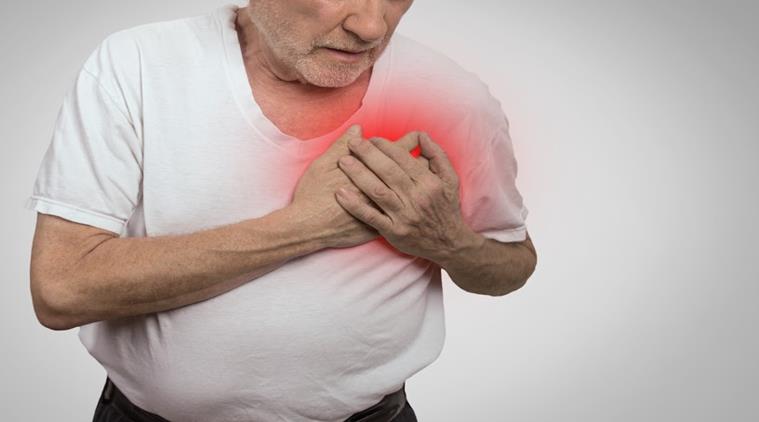 The survey also concludes that those having health insurance and are not stressed are more confident regarding their heart condition.
said.
condition amongst respondents, it said.
irrespective of the gender and geography of respondents,” it added.
disorders caused by stress. However, women, especially from the non-metros (74 per cent) do not attribute heart related ailments to stress.
their heart condition. Additionally, a high percentage of respondents (68 per cent), the survey polled, own a health insurance policy to manage health related expenses.
reasons that trigger them. The World Heart Day provides us with another opportunity to pursue our goals as we aim to create higher awareness about the necessity of de-stressing ourselves,” Sanjay Datta, Chief-underwriting and claims,ICICI Lombard General Insurance, said.
across 11 cities.
Thứ Ba, 27 tháng 9, 2016
Possible new treatment for epilepsy in the offing
Epileptic seizures can be suppressed by increasing the concentration of specific fats in the brain, a new study conducted on fruit flies suggests. Patrik Verstreken, professor at Katholieke Universiteit Leuven in Belgium focussed on synapses, the junctions between two nerve cells where electrical signals are transmitted. In various brain disorders – such as Parkinson’s disease – there is impaired communication at these synapses. Wim Versees, professor at Vrije Universiteit Brussel in Belgium examined the processes which take place in our cells, right down to the level of individual molecules and atoms. By figuring out the three-dimensional structures of protein molecules, he tried to obtain crucial information about their role in the cell and the mechanisms which underlie various disorders. In earlier research involving fruit flies, Verstreken had demonstrated that a protein known as ‘Skywalker’ plays a crucial role in maintaining communication between brain cells. An almost identical protein operates in the human brain under the name ‘TBC1D24’, researchers said. “Genetic mutations of the protein TBC1D24 cause a deviation known as the DOOR syndrome,” said Verstreken. “Alongside deafness, deformed nails, brittle bones and mental retardation, this serious genetic disorder is characterised by neurodegeneration, movement disorders and epilepsy,” he added. The scientists were able to figure out the three-dimensional structure of Skywalker, making it possible to study the protein in microscopic detail. “Looking at Skywalker in this way gave us completely new insights into the precise function of this protein, and therefore also the function of the human protein TBC1D24,” said Versees. “Among other things, we discovered that it connects with specific brain fats. And more importantly, this connection is impaired in over 70 per cent of patients with a TBC1D24 mutation,” he said. On the basis of this discovery, the scientists increased the concentration of specific brain fats in fruit flies with a Skywalker mutation. The epileptic seizures in the sick fruit flies were completely suppressed. “Our work shows that increasing specific brain fats at the synapses of patients with a TBC1D24 mutation is a possible strategy for preventing epileptic seizures,” said Verstreken. “And although our work focuses on people with TBC1D24 mutations, we think that our findings could be relevant to various forms of epilepsy,” added Verstreken. “Our two research groups will now continue to collaborate in order to seek out strategies for increasing the concentration of specific fats in the brain to prevent epileptic seizures,” said Versees. The research appears in the journal Nature Structural & Molecular Biology. Patrik Verstreken, professor at Katholieke Universiteit Leuven in Belgium focussed on synapses, the junctions between two nerve cells where electrical signals are transmitted.
Thứ Hai, 26 tháng 9, 2016
Physical activity may lower bacterial infection risk: study
Low or moderate levels of physical activity may significantly lower your risk of bacterial infections as compared to a sedentary lifestyle, a new study has claimed. The risk of viral infections is known to be affected by physical activity, but little information was available regarding the more serious infections caused by bacteria. Researchers, including those from Aalborg University in Denmark, examined the relationship between leisure-time Suspected bacterial infections were determined based on prescriptions for antibiotics. Results showed that compared with sedentary behaviour, low leisure-time physical activity was associated with a 10 per cent lower risk of any suspected bacterial infection. Further, low and moderate levels of leisure-time physical activity were associated with a 21 per cent and 32 per cent  Exercises and other physical activity will lower bacterial infections in the body. (Source: Thinkstock Images)
physical activity and suspected bacterial infections during a one-year follow-up.
reduction of suspected cystitis (urinary tract bacterial infections), respectively – compared with individuals classified as sedentary, researchers said. Suspected respiratory tract bacterial infections, however, were not associated with physical activity level, they said.
'Morning sickness' linked to lower miscarriage risk, study finds

Miami (AFP) – Morning sickness is linked to a lower risk of miscarriage, according to research out Monday that suggests a woman’s nausea and vomiting early in pregnancy may have protective effects for the fetus.
Between 50 and 80 percent of pregnant women report feeling nauseous or throwing up during their first trimester, said the findings in the Journal of the American Medical Association (JAMA) Internal Medicine.
The condition is often called “morning sickness,” though it can affect women at all times of the day and night.
In a study of 797 women, nausea and nausea with vomiting were associated with a 50 percent to 75 percent reduction in the risk of pregnancy loss, said the report, led by Enrique Schisterman of the US National Institute of Child Health and Human Development.
The women had all had one or two prior pregnancy losses. They tracked their nausea symptoms in a diary, and their pregnancies were confirmed by urine tests.
Prior research has also suggested that nausea and vomiting are linked to a lower risk for pregnancy loss.
Some experts believe nausea may encourage a healthy pregnancy by leading women to eat less, thereby reducing the risk of exposing the fetus to toxins.
The reduction in food intake also appears to lower levels of circulating insulin and encourage growth of the placenta, research has shown.
The new study did not delve into reasons why nausea and vomiting may lower the risk of miscarriage.
An accompanying editorial in JAMA by Siripanth Nippita of Beth Israel Deaconess Medical Center and Laura Dodge of Harvard Medical School described its contribution to existing medical literature as “valuable for several reasons,” including its large size and rigorous methods for comparing symptoms among women who experienced an early pregnancy loss with those whose pregnancies continued.
“Given these methodologic advantages over previous investigations, we hope that such studies can further deepen our understanding of the underlying causes of nausea and vomiting in pregnancy,” they wrote.
Researchers develop new computer system to help speech disorder in children
Researchers at Massachusetts Institute of Technology (MIT) have developed a computer system that can automatically screen young children for speech and language disorders and potentially even provide specific diagnoses. Early-childhood intervention for children with speech and language disorders can make a difference in their later academic and social success, the study said. To build the new system researchers used machine learning in which a computer searches large sets of training data for patterns that diagnoses speech and language disorders. The system analyses audio recordings of children’s performances on a standardised storytelling test, in which they are presented with a series of images and an accompanying narrative, and then asked to retell the story in their own words. “The really exciting idea here is to be able to do screening in a fully automated way using very simplistic tools. You could imagine the storytelling task being totally done with a tablet or a phone. I think this opens up the possibility of low-cost screening for large numbers of children,” said John Guttag, former Professor at the MIT. The researchers evaluated the system’s performance using a standard measure called area under the curve, which describes the tradeoff between exhaustively identifying members of a population who have a particular disorder, and limiting false positives. “Assessing children’s speech is particularly challenging because of high levels of variation even among typically developing children. You get five clinicians in the room and you might get five different answers,” Guttag added. Unlike speech impediments, speech and language disorders both have neurological bases. But the investigators explains, they affect different neural pathways — speech disorders affect the motor pathways, while language disorders affect the cognitive and linguistic pathways. The researchers had hypothesised that pauses in children’s speech, as they struggled to either find a word or string together the motor controls required to produce it, were a source of useful diagnostic data. They identified a set of 13 acoustic features of children’s speech that their machine-learning system could search, seeking patterns that correlated with particular diagnoses. These were things like the number of short and long pauses, the average length of the pauses, the variability of their length, and similar statistics on uninterrupted utterances. The machine-learning system was trained on three different tasks: identifying any impairment, whether speech or language; identifying language impairments; and identifying speech impairments. The children whose performances on the storytelling task were recorded in the data set had been classified as typically developing, as suffering from a language impairment, or as suffering from a speech impairment. The machine-learning system was trained on three different tasks: identifying any impairment, whether speech or language; identifying language impairments; and identifying speech impairments. (source: Pixabay)
Chủ Nhật, 25 tháng 9, 2016
Healthy city design can reduce growth of diseases
Healthy city design and planning in densely populated countries like India can reduce growing epidemics, injuries and non-communicable (NCD) diseases such as heart disease, diabetes and cancer, finds a new study. According to the study, published in the journal The Lancet, health gains can be achieved if cities are designed in a way that shops, facilities, work and public transportation are within walking distance of most residents. By 2050, the US, China and India are predicted to see their populations increase by 33, 38 and 96 per cent respectively, the study found. Sprawling residential developments lead to declines in physical activity, increases in air pollution and higher rates of road death and serious injury. Researchers studied how to implement timely research into city design, planning and policy to improve the health of a city’s residents. “Shifting from city infrastructure that encourages the use of automobiles to a design providing safe and easy walking, cycling and public transportation options would reduce traffic injuries, air pollution and physical inactivity,” said James F. Sallis, researcher at the University of California San Diego School of Medicine, US. Additionally, limitations in the ability of people to walk or cycle in their daily commute makes public transportation expensive to deliver, which can lead to an increase in chronic disease and injury. “Many city leaders around the world are not applying the lessons of research to make cities as healthy as possible,” said Sallis. To improve the effectiveness and implementation of research, Sallis and team suggested that studies must include collaborations between scientists and multisector policy makers and address questions that are relevant to city leaders, including information about public opinion and costs. “City planning policies can affect health, both positively and negatively. A major incentive to make changes now is that designing cities for health and active transport, rather than automobile-dependence also makes the cities more environmentally sustainable,” Sallis added. Healthy city design can help densely populated countries to reduce disease (Source: Pixabay)
Thứ Bảy, 24 tháng 9, 2016
UK doctors call off strike action

LONDON (Reuters) – A union representing British doctors on Saturday called off a series of strikes scheduled for the next three months, citing concerns about patient safety.
The British Medical Association (BMA) had planned a full withdrawal of labor by junior doctors on Oct. 5-7 and 10-11, Nov. 14-18 and Dec. 5-9, which would have been the longest stoppages in the nearly 70-year history of the National Health Service.
Junior doctors – a term covering recent medical school graduates right through to doctors who have been working for well over a decade – have staged a series of walkouts over a new work contract the government plans to impose next month.
The BMA said its decision to suspend the action follows feedback from doctors, patients and the public, and discussions with NHS England about the ability of the NHS to maintain a safe service if industrial action were to go ahead.
“Following a passionate, thoughtful and wide-ranging debate amongst junior doctors, the BMA has taken the decision to suspend planned industrial action,” said Ellen McCourt, the newly elected chair of the BMA junior doctor committee.
“We still oppose the imposition of the contract and are now planning a range of other actions in order to resist it, but patient safety is doctors’ primary concern,” she said.
The BMA staged several strikes earlier this year, which escalated in April when junior doctors walked out of all services, including accident and emergency, for a day.
A deal was reached in May between the BMA and the government, but junior doctors voted in July to reject the new contract.
The government says the new arrangements are part of its plan to bring in a safer and more comprehensive seven-day health service. The doctors say it will result in them working longer hours at anti-social times to the detriment of patient care.
(Reporting by James Davey; Editing by Hugh Lawson)
Take a Step Back
When Dr Rekha Ramachandran tells you it is like a big family get-together, she means it. At a resort in Candolim, Goa, a group of children are huddled over paints and paper in one part of the room, as their parents chat over coffee in another. Soft music plays in the background. “The idea is to relax and take it easy,” says Ramachandran. The co-founder and chairperson of Down Syndrome Federation of India (DSFI) is referring to the group of parents who have come with their children with Down Syndrome for a holiday organised by the 62-year-old. As caregivers of people with Down Syndrome, parents have to be on the job 24/7. Not only does it require patience and commitment, it also needs a crucial balance in their personal and professional lives. “Because they have their hands full, we have been trying hard to get them to come for a holiday, unwind with parents like themselves, get the children to meet and have some fun,” says Ramachandran, who holds a PhD in cognitive deficit and depression in Down Syndrome. Goa was a natural choice for the get-together. Ramachandran brought together 43 parents for a weekend holiday, sponsored partly by her and partly paid for by the parents themselves. Accompanying them were their children living with Down Syndrome across all age groups — the youngest being only one year old. The families came from across the country — from Chandigarh, Mumbai, Pune and Bangalore — and from overseas — Dubai. It took Ramachandran, who was accompanied by her 36-year-old daughter with Down Syndrome, Babli, over a year to plan the event out and get everyone to come together. “We have a WhatsApp group as well, with over 250 parents, and while that has helped make connections, I was keen for parents to meet personally too,” she says. Among those who made it to the weekend getaway was 37-year-old homemaker Shivani Dhillon and her six-year-old daughter Shreya from Chandigarh. “Going on this holiday wasn’t an easy decision. I knew most of the parents through WhatsApp. I had made a few friends over the phone, while others were just names,” says the Chandigarh-based homemaker. “Events like these are important. It is essential for parents of special children to relax and unwind,” adds Dhillon. She runs a support group called ‘Down Syndrome Support Group India on Facebook. “In India, it is assumed that the parents will pull through. It is very exhausting for a parent to look after a special child as well as manage work and home. This is the first time anybody thought of our needs,” she says. There were no rules to this holiday, nor was there a fixed itinerary. Parents could sleep in late; there were no formal sessions or seminars to attend. The children had multiple activities to choose from, supervised by caretakers. The karaoke night was a big hit, so were the yoga sessions by the pool, the dance classes, fashion show and trips to the beach. “The most relaxing thing about the holiday was that there was no one judging you. Since we all face similar struggles, we were looking out for each other’s children as well,” says Shweta Pranay R, a 34-year-old architect from Bangalore, who participated with her four-and-a-half-year-old daughter Dhriti, “I have found my 4am friends here. Sometimes, you need someone to just hear you out.” Pune-based software engineer Aditya Tiwari, who made news earlier this year for being the youngest single man in the country to adopt a child, turned up with his two-year-old son Binney, who suffers from Down Syndrome, and his wife, Arpita. “Through this holiday, we have found an extended family. We can discuss everything and learn from each other. Sometimes, even close family members can’t help because they don’t have the knowledge to,” he says. Refreshed and energised, the families are already talking of another holiday in the coming months. This time, their tentative choice of destination is Rajasthan. “We are looking at organising a smiliar getaway in Jodhpur where more families can join in,” says Ramachandran. Children and parents at the getaway.
 A child building sand castles at the beach.
Thứ Sáu, 23 tháng 9, 2016
Enzymes used in household products are ‘potent allergens’: Study
A recent research has found that genetically modified enzymes that are used in a wide range of household products are ‘potent allergens’. Researchers said the products should be assessed for their allergenicity, after they found that exposure to such enzymes can sensitize those, who encounter them in the workplace. Watch What Else is Making News According to a report in Daily Mail, the author of the study highlighted that genetically modified enzymes used to boost the power of cleaning products, create flavourings or aromas, are being increasingly used in the food, beverage, detergent, perfume, pharmaceutical, textile and chemical industries. But genetically engineering the enzyme protein may change its allergenic properties, they added. The research team examined blood samples from 813 people who work in food, chemical, detergent and pharmaceutical industries and measured specific antibodies to artificially created enzymes. The subjects had been employed in their respective industries for periods ranging from three months to 10 years and had been exposed to, on average, between two and four genetically modified enzymes in the workplace. Each blood sample was tested for antibodies to various enzymes using the researchers’ own diagnostic tests as the commercially available options only test for naturally occurring enzymes. Almost one in four of the employees (23 percent) had specific antibodies to the genetically modified enzymes to which they were routinely exposed during working hours. Though the researchers said that due to commercial secrecy, they were unable to gain access to the formulations used in the enzymes. “Our findings indicate that new sources of enzymes, as well as genetically engineered enzymes, are posing potential health risks. Genetically engineered enzymes are potent allergens eliciting immediate-type sensitization. The assessment of allergenicity should be mandatory for all new products. Enzymes should be tested like any other potentially hazardous chemical,” the researchers concluded. The study has been published in the journal Occupational and Environmental Medicine. The research team examined blood samples from 813 people who work in food, chemical, detergent and pharmaceutical industries and measured specific antibodies to artificially created enzymes. (Photo: Thinkstock)
Thứ Năm, 22 tháng 9, 2016
Health tips: How to manage cholesterol naturally
Cholesterol is an essential component of our body but it is also considered as a villain. A wax like substance made by the liver, it plays an important role in the normal functioning of our system but only when it is in control. However, at times our bodies make more than we require and this surplus keeps circulating in the bloodstream. High levels of cholesterol in the bloodstream can block the blood vessels and increase the possibility of heart diseases and stroke and Indians fall into the ‘high risk’ category. The question is, “How can we beat cholesterol naturally”? You just need to make a few changes in your lifestyle to lower “bad” LDL cholesterol and increase “good” HDL cholesterol for a healthy life. Kanchan Naikawadi, preventive healthcare specialist, Indus Health Plus, Delhi tells us how: Olive oil: Olive oil contains antioxidants that can bring down LDL cholesterol without moving the HDL cholesterol level. Consuming about two tablespoons (about 23 grams) of olive oil a day gives tremendous heart-health benefits. Omega 3: Omega 3 fatty acids increase HDL. Rich source of Omega 3 is found in fish, flaxseeds, nuts and almonds. Garlic: The ingredient which adds flavour to our food also adds flavour to our health. It lowers cholesterol, prevent blood clots, reduce blood pressure, and protects against infections. Consume two to four fresh cloves a day. Tea: Black tea is a great defense against LDL cholesterol levels. It is advised to have one cup of black tea daily. Physical activity: Physical activity helps you control your weight, thereby, reducing your chances of developing conditions that may put a strain on your heart, like high blood pressure and diabetes. It also reduces stress, which is a major factor in heart disease. 30 minutes of exercise is all you need to keep it at bay. Food plays an important role in maintaining cholesterol. (Source: Thinkstock Images)
Thứ Tư, 21 tháng 9, 2016
Chan Zuckerberg Initiative pledges $3 billion to fight disease

By Deborah M. Todd
SAN FRANCISCO (Reuters) – Facebook Chief Executive Mark Zuckerberg and his wife Priscilla Chan on Wednesday pledged more than $3 billion toward a plan to “cure, prevent or manage all disease within our children’s lifetime.”
Speaking through tears at a San Francisco event to announce the initiative, Chan said she hoped to spare parents the pain she had seen while delivering difficult news as a pediatrician.
“In those moments and in many others we’re at the limit of what we understand about the human body and disease, the science behind medicine, the limit of our ability to alleviate suffering. We want to push back that boundary,” she said.
The event was attended by business and political luminaries including former Microsoft Corp Chairman Bill Gates, San Francisco Mayor Ed Lee and California Lieutenant Governor Gavin Newsom.
Zuckerberg said science and the medical community have made rapid advancements over the last 50 years, including eradicating smallpox and nearly eliminating polio without the aid of modern technology.
“Today, just four kinds of diseases cause the majority of deaths,” Zuckerberg added in a posting on his Facebook page, citing cancer, heart disease, infectious diseases and neurological diseases. “We can make progress on all of them with the right technology.”
The plan includes creating a bioscience research center, called the Biohub, developing a chip to diagnose diseases, and ways to monitor the bloodstream continuously and map cell types in the body.
Chan and Zuckerberg will donate $600 million over the next decade to the Biohub in San Francisco, bringing together Bay-area researchers and scientists from the University of California at San Francisco, the University of California at Berkeley and Stanford University.
Two initial Biohub projects will be a Cell Atlas, a map of cells controlling the body’s major organs, and the Infectious Disease Initiative to develop new tools, tests, vaccines and strategies for fighting diseases such as HIV, Ebola and Zika.
The Biohub will be led by University of California, San Francisco professor Joseph DeRisi and Stanford University professor Stephen Quake, whose work includes small molecule screening and biological measurements.
Dr. Cori Bargmann, a Rockefeller University neuroscientist, will lead all of Chan Zuckerberg’s science initiatives.
Any research, tools and material coming out of Biohub, which will work with a network of 10 to 15 laboratories across the world, will be “available to every scientist, everywhere,” Bargmann said.
“If you take great people and set them loose on important problems in an intelligent way and give them a long time horizon there will be progress.”
(Refiled to remove hyphen in between Chan Zuckerberg in headline and third-last paragraph)
(Reporting by Deborah M. Todd; Editing by Peter Cooney and Richard Chang)
Eating peanuts, eggs early may ward off food allergies in babies
Introducing eggs and peanuts into children’s diet early and at a young age may reduce their risk of developing food allergy, a new study has found. Allergies to foods — like nuts, egg, milk or wheat — are caused by the malfunctioning and over-reacting of the immune system triggering symptoms of rashes, swelling, vomiting and wheezing. The study showed that children who started eating egg between the ages of four and six months had a 40 per cent reduced risk of egg allergy compared to children who tried egg later in life. Children who ate peanuts between the ages of four and eleven months had a 70 per cent reduced peanut allergy risk compared to children who ate the food later. Further, the researchers also found that where 5.4 per cent of people with egg allergy was introduced to egg between four and six months of age, 24 cases per 1,000 people were reduced. For peanuts, with 2.5 per cent of people the introduction to the food between four and eleven months, 18 cases reduced per 1,000. Until now parents were advised to delay giving allergenic foods such as egg, peanut, fish and wheat to their infant. However, “this new analysis pools all existing data, and suggests introducing egg and peanut at an early age may prevent the development of two of the most common allergies,” said lead Author Robert Boyle, at Imperial College London. In addition, the team analysed milk, fish (including shellfish), tree nuts – almonds – and wheat, but did not find enough evidence to show introducing these foods at a young age reduces allergy risk. The researchers cautioned against introducing egg and peanut to a baby who already has a food allergy, or has another allergic condition such as eczema. “If your child falls into these categories, talk to your doctor before introducing these foods,” Boyle said. Moreover, Boyle also noted that whole nuts should not be given to babies or toddlers due to choking hazard, “If you decide to feed peanut to your baby, give it as smooth peanut butter,” he said. For the study, which is the largest analysis of evidence on the effect of feeding allergenic foods to babies, scientists analysed data from 146 studies and involved more than 200,000 children. The research was published in the Journal of the American Medical Association. Baby boy eating sitting in high chair and eating scrambled eggs for breakfast.
Divided U.S. Supreme Court turns to less sensitive IP cases

By Lawrence Hurley
WASHINGTON (Reuters) – Shorthanded and ideologically divided, the U.S. Supreme Court has yet to take up any cases on politically sensitive social issues in its new term starting in October, instead showing a keen interest in more technical cases of importance to business such as disputes over intellectual property.
In addition to four intellectual property cases it has already agreed to hear, the court could as soon as next week take up a trademark battle that pits an Asian-American rock band and the Washington Redskins football team against the U.S. Patent and Trademark Office.
Later in the year, the court could take up a quirky copyright fight between a woman and a record company over a video she posted online of her toddler son dancing to a Prince song.
The lineup so far is in contrast to the court’s last term, in which it heard major cases on abortion, racial preferences and immigration in which it was closely divided. Those cases were taken up before the death of conservative Antonin Scalia in February, which left what is usually a nine-member court with a vacancy that shows no sign of being filled until next year due to the Republican-controlled Senate’s refusal to consider President Barack Obama’s nominee.
Although the court has not taken up any cases of such social or political magnitude for the coming term, it’s possible it could do so before it ends in June. The battle over whether transgender students can use bathrooms that match their gender identity is one candidate.
It is not unusual for the court to take up a handful of intellectual property (IP) cases among the 70 or so it selects for oral argument but this year there is a greater incentive than ever because they are often decided by unanimous or lopsided votes.
(Graphic on the Supreme Court’s handling of intellectual property cases: http://tmsnrt.rs/2cZmi4S)
Legal experts say the justices might seek to avoid cases on which they could split 4-4. Such splits occurred four times after Scalia’s death, and provide little legal clarity, as there’s no written decision and no national precedent set.
“I do think the court will be looking for cases that don’t break along traditional partisan lines. IP cases fit that bill,” said Mark Lemley, a law professor at Stanford Law School.
Such cases, on patent law, copyright and trademarks, can have high financial stakes, especially when companies fight over lucrative patent protections. One of the four IP cases already taken up include a $400 million patent dispute between Samsung Electronics Co Ltd and Apple Inc over the design of the iPhone, which will be heard on Oct. 11.
“DANCING BABY” CASE
In the court’s last term, it heard three intellectual property cases, with two decided 8-0 and one 7-1, in line with the vote counts in similar cases in recent years.
The trend in recent years, at least in patent cases, is for the court to frequently reverse appeals court rulings that are overly protective of patent rights. There is less of a pattern in trademark and copyright cases.
Some lawyers think the court may have lowered its standards for the coming term, accepting cases that it can dispose of without 4-4 votes. The court can take cases for various reasons, such as to resolve splits between lower courts or to decide a question of pressing national importance.
IP law experts cited one of the patent cases, a dispute over whether genetic-testing kits made by biotechnology company Life Technologies Corp, now part of Thermo Fisher Scientific Inc infringed upon patents held by Promega Corp as an example in part because the issue is narrow and it has little chance of affecting other cases.
Charles Duan, a lawyer with digital advocacy group Public Knowledge, was among those who questioned why the court took the Promega case, saying it “doesn’t have much of a direct impact on the public.”
IP cases the court could still decide to hear this term include the two disputes over whether offensive trademarks can be canceled.
The Slants rock band, whose members are Asian-American, chose the name specifically to reclaim a term used to disparage Asians. But its application for a trademark was rejected by the federal trademark office.
In the other case, the Washington Redskins organization has long trademarked its name and objected when the trademark office sought to cancel it because it was deemed to disparage Native Americans.
The court will also decide whether to hear the copyright dispute dubbed the “dancing baby” case over a video posted online that showed a toddler dancing to Prince song “Let’s Go Crazy”.. The legal question is whether copyright holders can face damages if they incorrectly tell someone to take down content posted online that is protected by the so-called “fair use” doctrine, which allows unauthorized use of copyrighted material in some circumstances.
The court has also showed provisional interest in three other intellectual property-related cases by asking the Obama administration to file briefs offering its opinion on whether they should be taken up.
One closely-watched case on that list concerns Novartis AG’s bid to launch a copycat version of Amgen Inc’s cancer drug Neupogen, which IP law experts say the court could take up because it is the first to reach the high court on a new law addressing so-called biosimilar drugs.
(Reporting by Lawrence Hurley; editing by Stuart Grudgings.)
Binge eating may increase risks of various health conditions
Individuals with binge-eating disorder (BED) may be at high risk of getting diagnosed with illnesses associated with the endocrine and circulatory systems, a study suggests. Binge-eating disorder is a serious eating disorder in which an individual frequently consumes unusually large amounts of food and is unable to stop craving for more. Individuals with BED could be at an increased risk of 2.5-times of having an endocrine disorder and at 1.9-times of having a circulatory system disorder. The endocrine system influences heart, bones and tissues growth, and even fertility. It plays a vital role in determining whether there were chances of developing diabetes, thyroid disease, growth disorders, sexual dysfunction, and a host of other hormone-related disorders. BED is closely associated with hypertension – commonly called high blood pressure – that causes the heart to work harder and could lead to such complications as heart attack, stroke, or kidney failure, among others. Among individuals with obesity and BED, there is a 1.5-times increased risk of having a respiratory disease and a 2.6-times of having a gastrointestinal disease. “We encourage clinicians to — have the conversation — about BED with their patients. Accurate screening and detection could solve BED problem with treatment,” said Professor Cynthia Bulik, from the University of North Carolina at Chapel Hill, in the US. “BED afflicts people of all shapes and sizes. The somatic illnesses that we detected were not simply effects of being overweight or obese,” Bulik clarified, in the study published in the International Journal of Eating Disorders.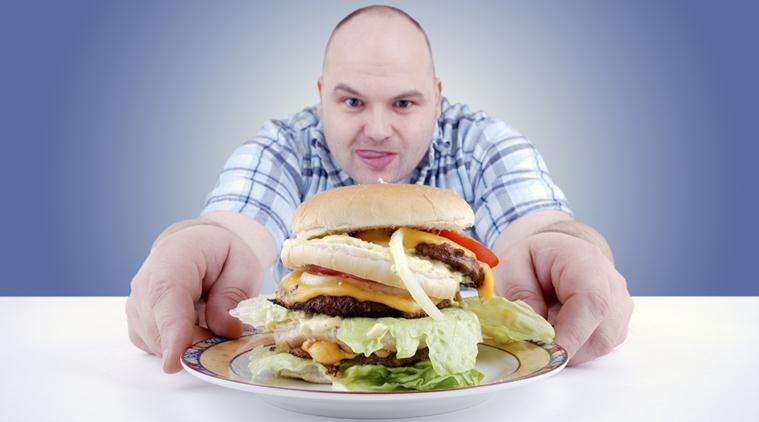 The endocrine system influences heart, bones and tissues growth, and even fertility. (Source: Thinkstock images)
Thứ Ba, 20 tháng 9, 2016
Children as young as five may be at suicide risk: Study
Children as young as five may have the tendency to commit suicide, say researchers who found characteristics and circumstances that may be more prominent in children who die by suicide. It is the first study to exclusively focus on precipitating circumstances of suicide in children and early adolescents, defined as ages 5 to 14. “Children who died by suicide were more likely to have relationship problems with family members or friends whereas early adolescents were more likely to have boyfriend or girlfriend relationship problems,” said Arielle Sheftall, postdoctoral research fellow at the Nationwide Children’s Hospital in the US. “These differences tended to fall along developmental lines given elementary school-aged children are more likely to spend time with family and friends and less likely to engage in romantic relationships, which become more common during adolescence,” said Sheftall. Researchers used the US National Violent Death Reporting System (NVDRS) and analyses suicide deaths from 2003 to 2012 in 17 different states, segregating them by age group. “We also found that 29 per cent of children and early adolescents disclosed their intention for suicide to someone prior to their death,” added Sheftall. The study highlights the importance of educating pediatricians, primary health care providers, school personnel and families on how to recognise the warning signs of suicide and what steps to take when suicidal intent is disclosed. “These warning signs include a child making suicidal statements, being unhappy for an extended period, withdrawing from friends or school activities or being increasingly aggressive or irritable,” said Sheftall. Research indicates that the use of suicide risk screening tools by pediatricians increases the detection of suicide risk in youth 400 per cent without overburdening clinical care. Not only do pediatricians potentially see at-risk children on a regular basis, early detection allows the healthcare providers an opportunity to alert parents of potential risks and increases the likelihood of a child receiving mental health services in a timely fashion. “Although suicide is extremely rare in elementary school-aged children, parents should be aware that children can and sometimes do think about suicide,” said Jeff Bridge, from Nationwide Children’s Hospital in the US. “It is important to ask children directly about suicide if there is a safety concern. Research has refuted the notion that asking children directly about suicide will trigger suicidal thinking or behaviour,” said Bridge. “We also found that 29 per cent of children and early adolescents disclosed their intention for suicide to someone prior to their death,” added Sheftall. (Photo for representational purpose.)
Thứ Hai, 19 tháng 9, 2016
Too little sleep, or too much, linked to risk of heart disease
By Lisa Rapaport
(Reuters Health) – Sleep irregularities may be tied to a variety of health problems, such as diabetes and obesity, that can increase the risk of cardiovascular disease, a leading U.S. doctors group says.
The risk may go up when people get too little sleep, or too much, according to a statement from the American Heart Association (AHA).
“We do not know the optimal amount of sleep needed to minimize the risk of heart disease,” but people who get less than seven hours a night or more than nine hours may be more at risk than their peers who fall somewhere in the middle of that range, said lead statement author Dr. Marie St-Onge of Columbia University in New York City, in an email.
Previous research suggests that sleep irregularities can increase people’s risks for a variety of cardiovascular disorders, such as clogged or hardened arteries, high blood pressure, irregular heartbeat, and stroke, as well as metabolic problems such as high cholesterol, obesity and diabetes that all contribute to cardiovascular disease.
There is certainly a vicious cycle that may be going on with sleep and chronic diseases,” St-Onge added. “Bad sleep can increase the risk of obesity which then increases the risk of sleep disorders.”
Much of the scientific research about sleep and heart health focuses on insomnia or sleep apnea.
People are diagnosed with insomnia when they have difficulty falling or staying asleep for at least three nights a week for three or more months.
Sleep apnea is diagnosed when someone has an average of five or more pauses in breathing, which can last seconds to minutes, per hour of sleep. These pauses are most commonly due to a narrowed airway.
Often, these sleep issues are tied to two other health problems: diabetes and obesity. Some studies have found sleep can influence what people eat and impact their risk of obesity, for example.
But more research is needed to see how sleep influences weight over long periods of time, according to the AHA statement.
Longer studies might also help explain how sleep variations influence cholesterol levels, diabetes, blood pressure or other risk factors for cardiovascular disease.
It’s also unclear whether treating sleep disorders could lower the risk of cardiovascular disease.
The problem is that chronic diseases, like cardiovascular disease, develop gradually,” said Kristen Knutson, a researcher at the University of Chicago who wasn’t involved in the AHA statement.
“So it’s possible that someone could be on the path toward hypertension or heart disease and not know it because it’s early in the process,” Knutson added by email.
Still, if poor sleep can speed the development of risk factors for cardiovascular disease, it makes sense for people to seek help for sleep irregularities sooner rather than later.
“My suggestion for patients is if they don’t feel they are sleeping well, they should raise the issue with their doctor themselves; don’t wait for your doctor to ask you about your sleep,” Knutson said.
About 50 to 70 million U.S. adults regularly don’t get enough sleep or suffer from a sleep disorder, the National Heart, Lung, and Blood Institute estimates.
It’s a problem that’s been getting worse over time. For example, in 2009, about 29 percent of adults reported getting not enough sleep, compared with about 22 percent in 1977.
The American Academy of Sleep Medicine and Sleep Research Society recently advised that adults get at least seven hours of sleep nightly to promote overall health.
“Heart disease is only one way things can go wrong, and poor or too short sleep can send people into a spiral,” said Till Roenneberg, of Ludwig-Maximilian-University, Munich, Germany.
“Sleeping too short and even more important – sleeping outside the time provided by the body clock – can support metabolic diseases and weight gain, which can lead to more creating difficulties, which lead to bad sleep sending you back into the loop,” Roenneberg, who wasn’t involved in the AHA statement, added by email.
SOURCE: http://bit.ly/2cDLUF5 Circulation, online September 19, 2016.
How rogue elements of DNA endanger our health
A new study has found evidence that health becomes endangered when ageing cells lose control of rogue elements of DNA called transposons. Research has shown that a low-calorie diet, a key intervention already known to increase lifespan, dramatically delays the onset of increased transposon activity. The new study, published in the journal Proceedings of the National Academy of Sciences, strengthens the links that have led scientists to propose the “transposon theory of ageing”. “In this report, the big step forward is towards the possibility of a true causal relationship,” said senior author of the study Stephen Helfand, Professor at the Brown University in Providence, at Rhode Island, in the US. Transposons are rogue elements of DNA that break free in ageing cells and rewrite themselves elsewhere in the genome, potentially creating lifespan-shortening chaos in the genetic makeups of tissues. As cells get older, prior studies have shown, tightly wound heterochromatin wrapping that typically imprisons transposons becomes looser, allowing them to slip out of their positions in chromosomes and move to new ones, disrupting normal cell function. Meanwhile, scientists have shown that potentially related interventions, such as restricting calories or manipulating certain genes, can demonstrably lengthen lifespans in laboratory animals. The new results come from several experiments that are thorough and direct in connecting the dots among weakening heterochromatin, increased transposon expression, ageing and lifespan. In one set of experiments, the team visually caught transposable elements in the act of jumping around in fruit flies as they aged. They showed that an anti-HIV drug called 3TC, which inhibits activation of transposons and their movement into new positions in the genome, can restore some lifespan to flies that have a mutation that disables a gene called Dicer-2 which suppresses transposons.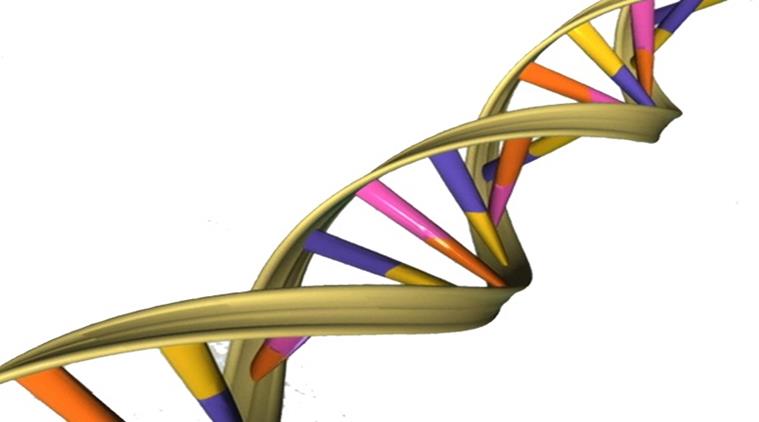 A new study has found evidence that health becomes endangered when ageing cells lose control of rogue elements of DNA called transposons. (Representational Image)
New antibiotic gel may cure ear infections in children
A single dose of a bioengineered gel, developed by US researchers, could deliver a full course of antibiotic therapy for a common childhood ear infection, a preclinical study has found. Middle-ear infection, or otitis media, is an ear infection that is usually caused by bacteria or viruses. Common symptoms include ear pain and fever and in some cases, it may also cause drainage of fluid from the ear or hearing loss. Although most ear infections go away on their own, some require antibiotics. As high doses of oral antibiotics are needed to get to the ear, side effects like diarrhea, rashes and oral thrush are common. “With oral antibiotics, you have to treat the entire body repeatedly just to get to the middle ear,” said Rong Yang, PhD, a chemical engineer at Boston Children’s Hospital in Massachusetts, US. However, “with the gel, a paediatrician can administer the entire antibiotic course all at once, and only where it’s needed,” Yang said. Squirted into the ear canal, the gel quickly hardens and stays in place, gradually dispensing antibiotics across the eardrum into the middle ear. “Our technology gets things across the eardrum that don’t usually get across in sufficient quantity to be therapeutic,” added Daniel Kohane from Boston Children’s Hospital. Previously, the eardrum (also called the tympanic membrane) was an impenetrable barrier, but the bioengineered gel gets drugs past it with the help of chemical permeation enhancers (CPEs). Watch What Else is Making News The CPEs insert themselves into the membrane, opening up molecular pores that allow the antibiotics to seep through to the eardrum’s outermost layer. “Transtympanic delivery of antibiotics to the middle ear has the potential to enable children to benefit from the rapid antibacterial activity of antimicrobial agents without systemic exposure and could reduce emergence of resistant microbes,” noted Stephen Pelton, paediatrician at Boston Medical Center. The findings, published by the journal Science Translational Medicine, have led to better, easier and potentially safer treatment for middle ear infections, the researchers concluded.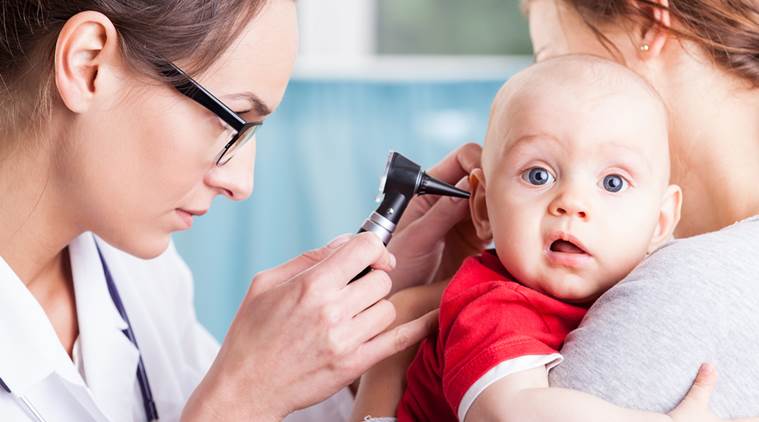 Young doctor examining baby boy with otoscope. The new antibiotic gel can be directly squirted in the ear to cure the infection, instead of feeding the child huge doses of medicines. (Source Thinkstck)