Chủ Nhật, 31 tháng 7, 2016

Going to the Olympics? Some health risks to consider


NEW YORK (AP) — Traveling to the Olympics? Don’t let illnesses meddle with your fun.


Roughly half a million people from around the world are expected to travel to the Olympics in Rio de Janeiro. And while Zika is in the spotlight, there are other bugs and health problems that Olympic athletes and spectators should keep in mind.


What’s the biggest threat? Health experts say the most likely cause of death or serious harm to travelers everywhere is injuries from car accident, falls, crime or other mishaps.


But that’s not what’s on the minds of people headed to the Olympics, said Dr. Nicholas Van Sickels, associate director of Tulane University’s travel medicine clinic in New Orleans.


“Zika is what brings them in the door,” Van Sickels said of recent clinic visitors.


A look at those health problems, and what athletes and travelers can do about them.


___


HOW BIG A THREAT IS ZIKA?


The risk of getting sick from Zika is low, especially compared to other illnesses that a visitor to Rio might suffer. It’s winter in Brazil; a time when mosquitoes that spread the virus are at a low ebb. But for mothers-to-be, the stakes are very high because an infection during pregnancy can cause serious birth defects. That’s why pregnant women have been told to stay away.


___


BUT HOW CAN I AVOID ZIKA?


The virus is mainly spread by tropical mosquitoes, though it also can be transmitted through sex. Travelers can protect themselves from mosquito bites by, among other things, wearing long sleeves and long pants and using insect repellents. Also, stay in places with air conditioning or that use window and door screens, the CDC suggests.


___


WILL I KNOW IF I’M INFECTED?


You might not. Most infected people do not get sick, and those that do usually experience only mild symptoms, like fever, rash, red eyes, joint pain, that ends within a week. But some infected adults have developed a paralyzing condition called Guillain-Barre syndrome.


___


WHAT ABOUT OTHER TROPICAL ILLNESSES?


The same mosquito spreads other tropical illnesses, including chikungunya, which has been spreading in Brazil and other parts of South America in the last few years. It has some of the same symptoms as Zika, but the joint pain is often debilitating and can give people a stooped appearance — the name chikungunya comes from a word meaning “to become contorted.” Like Zika, there is no vaccine or cure for it. There are vaccines or medicines for other mosquito-borne diseases seen in Brazil, including yellow fever, dengue fever and malaria. Those aren’t considered much of a threat for Olympic visitors, though.


___


WHAT ELSE COULD MAKE ME SICK?


If a traveler to the Olympics gets sick, it’s most likely from drinking water or eating undercooked or unclean food, said Dr. Martin Cetron of the U.S. Centers for Disease Control and Prevention. Food should be peeled, boiled or cooked. Avoid food from street vendors, and fruits and vegetables that have not been thoroughly washed, experts suggest. Drink bottled water or beverages. And maybe pack some medicine for diarrhea, Cetron said. Some swimming areas in Rio are contaminated with sewage, and the CDC advises avoiding swallowing mouthfuls of water and staying away from beaches with warning signs.


___


ANYTHING ELSE?


It’s flu season in the Southern Hemisphere, so expect that people in Rio may be sneezing or coughing and spreading flu germs. Flu and other respiratory illnesses are probably the second most common thing travelers to the Olympics will get, Cetron said. Wash your hands and drink lots of uncontaminated fluids, experts say.


___


WHAT IF I GET SICK IN BRAZIL?


Eu me sinto doente. That’s Portuguese for “I feel sick.” Talk to a doctor or nurse if you feel very ill, especially if you have a fever, the CDC advised. The CDC website has information about finding medical care while abroad and also offers some health terms in Portuguese. Officials do not expect a lot of Olympic travelers to take Zika home with them. Researchers at Yale University recently estimated that there may be no more than 40 travelers going home from the Olympics with infections.


___


Online:


CDC: http://wwwnc.cdc.gov/travel/notices/alert/2016-summer-olympics-rio


In Florida Zika probe, federal scientists kept at arm's length

Aedes aegypti mosquitoes are seen inside Oxitec laboratory in Campinas, Brazil, February 2, 2016. Photo: Reuters/Paulo WhitakerAedes aegypti mosquitoes are seen inside Oxitec laboratory in Campinas, Brazil, February 2, 2016. Photo: Reuters/Paulo Whitaker


The state of Florida, the first to report the arrival of Zika in the continental United States, has yet to invite a dedicated team of the federal government’s disease hunters to assist with the investigation on the ground, health officials told Reuters.

Coordination with the U.S. Centers for Disease Control and Prevention since the state reported possible local Zika transmission on July 19 has been conducted largely at a distance, they said. That is surprising to some infectious disease experts, who say a less robust response could lead to a higher number of infections.

While Florida has a strong record of battling limited outbreaks of similar mosquito-borne viruses, including dengue and chikungunya, the risk of birth defects caused by Zika adds greater urgency to containing its spread with every available means, they say. Other states have quickly called in CDC teams to help track high-profile diseases.

“You only have a small window. This is the window” to prevent a small-scale outbreak from spreading, said Dr. Peter Hotez, dean of the National School of Tropical Medicine at Baylor College of Medicine in Houston, who expressed impatience with the pace of the Florida investigation.

Florida on Friday said that four cases of Zika in the state were likely caused by mosquito, the first sign that the virus is circulating locally, though it has yet to identify mosquitoes carrying the disease.

The current Zika outbreak was first detected last year in Brazil, where it has been linked to more than 1,700 cases of the birth defect microcephaly, and has since spread rapidly through the Americas.

Florida Governor Rick Scott said the state health department was working with the CDC as it continues its Zika investigation. CDC said it is closely coordinating with Florida officials who are leading the effort. Dr Marc Fischer, a CDC epidemiologist, has gone to Florida at the state’s request.

But the state has not invited in the CDC’s wider emergency response team of experts in epidemiology, risk communication, vector control and logistics, according to Florida health department spokeswoman Mara Gambineri.

In its plans to fight Zika nationwide, CDC stressed that such teams would help local officials track and contain the virus. Similar teams were sent to Utah earlier this month to solve how a person may have become infected while caring for a Zika-infected patient, before local officials went public with the case, and quickly joined an effort to contain an Ebola case in Dallas in 2014.

“Should we need additional assistance, we will reach out,” Gambineri said in an email. She did not reply to questions about why the state decided not to bring in a CDC team.

CDC spokesman Tom Skinner said the agency has several teams ready for when states request help with Zika, including Florida.

“If invited, we’ve got a team ready to go,” he said.

Funding blame game

Florida health officials publicly disclosed the first case of suspected local transmission on July 19.

They have since been testing hundreds of area residents to identify other possible infections, in some cases knocking on doors asking people to provide urine samples, and studying local mosquito populations to see if they are carrying the virus.

The state has warned residents to protect themselves against mosquito bites, and distributed Zika prevention kits for pregnant women at local doctors’ offices.

Michael Osterholm, an infectious disease expert from the University of Minnesota, said the two counties involved in the Florida probe – Miami-Dade County and Broward County – have extensive mosquito control experience. But he was surprised that the state had not yet sought CDC’s help in quickly gathering information about where people were when they were bitten.

“When cases like this occur, it’s critical that there be rapid epidemiological investigations to determine the likely location where the mosquito exposure occurred,” Osterholm said. “Only with that can you identify the breeding sites and eliminate them.”

As Zika’s arrival in the United States loomed in recent months, Republican and Democratic leaders have blamed each other for holding up funding to fight it. President Barack Obama’s administration asked Congress for $1.9 billion to fund a Zika response. Republican lawmakers proposed much smaller sums, and talks with their Democratic counterparts stalled before Congress adjourned for the summer.

Scott, a Republican, said on Friday he had asked top officials in the Obama administration, including CDC Director Tom Frieden, for more resources to fight Zika. He has allocated$26 million from the state’s budget.

On July 20, the White House said that Obama had called the Florida governor to discuss the possibility that Zika was circulating in the state, and promised an extra $5.6 million in federal funding in addition to about $2 million provided by CDC.

The statement praised Florida’s record of responding to mosquito-borne outbreaks and its close coordination with federal partners, including the CDC.

“Florida does what Florida does,” said one public health expert familiar with the investigation. “If I were health commissioner, I would have asked for their (CDC’s) help immediately.”


Thứ Sáu, 29 tháng 7, 2016

Bayer to halt future U.S. sales of insecticide


CHICAGO (Reuters) – The agricultural unit of German chemicals company Bayer AG will halt future U.S. sales of an insecticide used on more than 200 crops after losing a fight with the U.S. Environmental Protection Agency, the company said on Friday.


Bayer will stop sales of flubendiamide, marketed in the United States as Belt, although farmers and retailers will continue to be allowed to use their existing supplies of the insecticide, the company said in a statement.


(Reporting by Tom Polansek; Editing by Leslie Adler)


Vietnamese mom who delayed cancer treatment while pregnant dies

A file photo of Dau Thi Huyen Tram at the K Hospital in Hanoi. Photo: Minh ChienA file photo of Dau Thi Huyen Tram at the K Hospital in Hanoi. Photo: Minh Chien


A 25-year-old mother who had delayed cancer treatment to save her pregnancy died at home in Ha Tinh Province on Wednesday, less than three weeks after giving birth to a boy. 

Dau Thi Huyen Tram, a lieutenant of Ha Tinh Police Department, was diagnosed with stage IV lung cancer when she was 19 weeks pregnant.

Doctors at the K Hospital in Hanoi recommended an abortion to start treatment, but Tram decided to delay chemotherapy to keep the baby. 

She gave birth to a boy weighing 1.2 kilograms in week 29 earlier this month at the National Hospital for Obstetrics and Gynecology. The baby is in special care and doctors say his conditions have improved.

Le Thi Lan, Tram’s mother, said she had mostly stayed in bed due to breathing difficulty.

“Tram always thought for others. She always hid her pain, trying not to make us worry about her,” she said.

Thứ Năm, 28 tháng 7, 2016

New crop of robots to vie for space in the operating room

The integrated operating table, introduced earlier this year, engineered to move in sync with the da Vinci robot, allowing the surgeon to find the best working angle without the need to stop and reposition the robot's arms is shown in this image taken in Sunnyvale, California, U.S. in 2015. Courtesy Intuitive Surgical/Handout via ReutersThe integrated operating table, introduced earlier this year, engineered to move in sync with the da Vinci robot, allowing the surgeon to find the best working angle without the need to stop and reposition the robot’s arms is shown in this image taken in Sunnyvale, California, U.S. in 2015. Courtesy Intuitive Surgical/Handout via Reuters


Even though many doctors see need for improvement, surgical robots are poised for big gains in operating rooms around the world.

Within five years, one in three U.S. surgeries – more than double current levels – is expected to be performed with robotic systems, with surgeons sitting at computer consoles guiding mechanical arms. Companies developing new robots also plan to expand their use in India, China and other emerging markets.

Robotic surgery has been long dominated by pioneer Intuitive Surgical Inc, which has more than 3,600 of its da Vinci machines in hospitals worldwide and said last week the number of procedures that used them jumped by 16 percent in the second quarter compared to a year earlier.

The anticipated future growth – and perceived weaknesses of the current generation of robots – is attracting deep-pocketed rivals, including Medtronic Inc and a startup backed by Johnson & Johnson and Google. Developers of the next wave aim to make the robots less expensive, more nimble and capable of performing more types of procedures, company executives and surgeons told Reuters.

Although surgical robots run an average of $1.5 million and entail ongoing maintenance expenses, insurers pay no more for surgeries that utilize the systems than for other types of minimally-invasive procedures, such as laparoscopy.

Still, most top U.S. hospitals for cancer treatment, urology, gynecology and gastroenterology have made the investment. The robots are featured prominently in hospital marketing campaigns aimed at attracting patients, and new doctors are routinely trained in their use.

Surgical robots are used in hernia repair, bariatric surgery, hysterectomies and the vast majority of prostate removals in the United States, according to Intuitive Surgical data.

Doctors say they reduce fatigue and give them greater precision.

But robot-assisted surgery can take more of the surgeon’s time than traditional procedures, reducing the number of operations doctors can perform. That’s turned off some like Dr. Helmuth Billy.

Billy was an early adopter of Intuitive’s da Vinci system 15 years ago. But equipping its arms with instruments slowed him down. He rarely uses it now.

“I like to do five operations a day,” Billy said. “If I have to constantly dock and undock da Vinci, it becomes cumbersome.”

Surgeons’ wish list

To gain an edge, new robots will need to outperform laparoscopic surgery, said Dr. Dmitry Oleynikov, who heads a robotics task force for the Society of American Gastrointestinal and Endoscopic Surgeons.

Surgeons told Reuters they want robots to provide a way to feel the body’s tissue remotely, called haptic sensing, and better camera image quality.

New systems also will need to be priced low enough to entice hospitals and outpatient surgical centers that have not yet invested in a da Vinci, as well as convince those with established robotic programs to consider a second vendor or switching suppliers altogether.

“That is where competitors can differentiate,” said Vik Srinivasan of the Advisory Board Co, a research and consulting firm that advises hospitals.


Intuitive Surgical’s da Vinci Xi robot-assisted system is integrated with a patient operating room table that can be adjusted during the procedure is shown in this image taken in Sunnyvale, California, U.S. in 2015. Courtesy Intuitive Surgical/Handout via Reuters


Developers say they are paying attention. Verb Surgical, the J&J-Google venture that is investing about $250 million in its project, said creating a faster and easier-to-use system is a priority.


Verb also envisions a system that is “always there, always on,” enabling the surgeon to use the robot for parts of a procedure as needed, said Chief Executive Scott Huennekens.

Intuitive said it too is looking to improve technology at a reasonable cost, but newcomers will face the same challenges.

“As competitors come in, they are going to have to work within that same framework,” CEO Gary Guthart said in an interview.

Device maker Medtronic has said it expects to launch its surgical robot before mid-2018 and will start in India. Others developing surgical robots include TransEnterix Inc and Canada’s Titan Medical Inc.

An RBC Capital Markets survey found that U.S. surgeons expect about 35 percent of operations will involve robots in five years, up from 15 percent today.

J&J, which hopes to be second to market with a product from Verb, has said it sees robotics as a multibillion-dollar market opportunity. Huennekens said Verb’s surgical robot will differ from another Google robotics effort, the driverless car, in one important aspect.

“There will always be a surgeon there,” he said.


Vietnam reports 260 percent rise in dengue infections


Nearly 45,000 people came down with dengue fever across Vietnam in the first seven months, a 260 percent increase from a year ago, local media reported on Wednesday, citing new data released by the health ministry.

At least 14 people were killed and infections were recorded in 46 out of 63 cities and provinces, Tran Dac Phu, chief of the ministry’s General Department of Preventive Medicine, told news website Saigon Times Online.

The department has urged local governments, especially provinces with outbreaks such as Bac Lieu and Dak Lak, to take measures for killing mosquito larvae and spraying insecticides. 

Local clinics have also been ordered to provide appropriate and urgent treatment for patients to limit fatalities, he added.

Vietnam recorded nearly 82,000 dengue infections last year, including 52 deaths, according to official figures.

Thứ Ba, 26 tháng 7, 2016

Menopause, insomnia make ageing clock tick ‘faster’


By: ANI | Washington Dc | Updated: July 26, 2016 2:22 pm

menopause, insomnia, ageing, UCLA, Women's Health Initiative, National Academy of Sciences and Biological Psychiatry, news, health news, latest news, world news, international news “We discovered that menopause speeds up cellular aging by an average of 6 percent,” said Horvath, the study’s senior author, “That doesn’t sound like much but it adds up over a woman’s lifespan.”
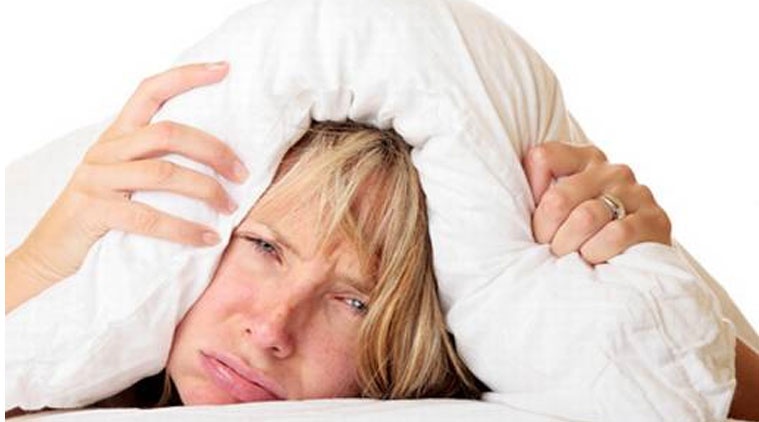
Turns out, those hot flashes and sleepless nights can send you to an early grave.


Two separate UCLA studies suggest that menopause and insomnia could increase women’s risk for aging-related diseases and earlier death


“For decades, scientists have disagreed over whether menopause causes aging or aging causes menopause,” said senior author Steve Horvath. “It’s like the chicken or the egg: which came first? Our study is the first to demonstrate that menopause makes you age faster.”


“Not getting restorative sleep may do more than just affect our functioning the next day; it might also influence the rate at which our biological clock ticks,” said first author Judith Carroll, adding: “In the women we studied, those reporting symptoms such as restless sleep, waking repeatedly at night, having difficulty falling asleep, and waking too early in the morning tended to be older biologically than women of similar chronological age who reported no symptoms.”


For their findings, both studies used a “biological clock” developed by Horvath, which has become a widely used method for tracking the epigenetic shift in the genome. Epigenetics is the study of changes to DNA packaging that influence which genes are expressed but don’t affect the DNA sequence itself.


In the menopause study, Horvath and first author Morgan Levine tracked methylation, a chemical biomarker linked to aging, to analyze DNA samples from more than 3,100 women enrolled in four large studies, including the Women’s Health Initiative (WHI) a major 15-year research program that addressed the most common causes of death, disability and poor quality of life in postmenopausal women.


They measured the biological age of cells from blood, saliva and inside the cheek, to explore the relationship between each woman’s chronological age and her body’s biological age.


“We discovered that menopause speeds up cellular aging by an average of 6 percent,” said Horvath. “That doesn’t sound like much but it adds up over a woman’s lifespan.”


In the sleep study, Carroll and her colleagues drew their data from more than 2,000 women in the WHI. Using the epigenetic clock, they found that postmenopausal women with five insomnia symptoms were nearly two years older biologically than women the same chronological age with no insomnia symptoms.


“We can’t conclude definitively from our study that the insomnia leads to the increased epigenetic age, but these are powerful findings,” said Carroll. “In the future, we will need to carry out studies of the same individuals over an extended period of time to determine cause-and-effect relationships between biological age and sleep disorders.”


The dual findings appear in the Proceedings of the National Academy of Sciences and Biological Psychiatry.


Vietnamese doctors remove nail from toddler’s stomach


Doctors in the Mekong Delta province of An Giang removed a two-centimeter nail from the stomach of a two-year-old boy on Monday.

The boy’s family said he accidentally picked up the nail and swallowed it.

He was rushed to An Giang General Hospital where doctors found the nail inside his stomach.

Later the same day the doctors successfully removed it.

If the nail was not detected as early, it may have pierced the toddler’s small intestine, according to the doctors.

Thứ Hai, 25 tháng 7, 2016

Motorcycle-ambulances help saves lives in Chhattisgarh forests


By: IANS | Narayanpur | Published:July 25, 2016 10:09 pm

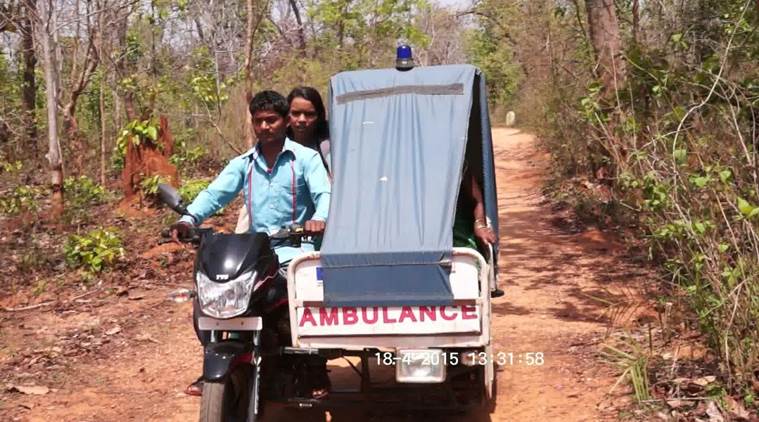
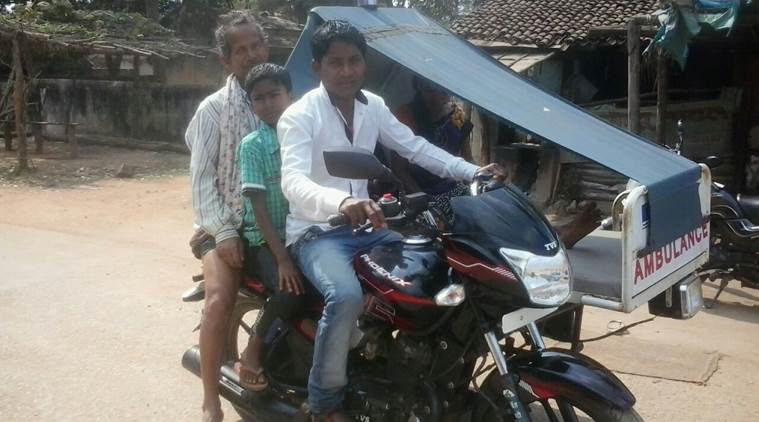
motorcycle ambulance, ambulance, health, hospital help, villages hospital, latest news Help arriving in the form of a motorcycle ambulance.
When eight months pregnant Sukmi’s water broke she was in Ongnarpal, a village deep in the jungle of Chhattisgarh where four wheelers cannot reach and the hospital was miles away. However, help arrived in the form of a motorcycle ambulance and Sukmi made it to the hospital “just in time” and delivered a beautiful baby girl.


The motorcycle-ambulance is a new concept in India that is saving lives in remote regions where people had been dying because they could not make it to the hospital on time.


Sukmi and her baby would not have survived had it not been for the motorcycle -ambulance that was able to ferry her from her remote village and take her to the civil hospital in Narayanpur district.


Her case is not exceptional. The motorcycle-ambulance has saved the lives of over 200 pregnant women and helped see a drop in maternal and infant mortality rate in the Maoist-hit Narayanpur district of Bastar division in Chhattisgarh.


image3_759


The ambulance, which had seen success in African countries, is a modified four-stoke motorcycle fitted with a side-carriage customised for the comfort of the patient.


Given the maze-type forest terrain, which can perplex any outsider, these two wheelers are driven by local riders only, who are trained to provide basic necessary first aid.


Health specialist at UNICEF, Ajay Trakroo says the motorcycle-ambulance project was initiated last year and supported by the UNICEF in collaboration with an NGO, Saathi Samaj Sevi Sanstha, and the Health Department of the state government.


“Pregnant women are our main focus in the area as mortality rate is high in this conflict bound region of Chhattisgarh. With this experiment we are trying to provide necessary health care to the pregnant women of this Maoist-affected tribal and hard-to- reach forest area,” Trakroo told IANS.


He said the motorcycle ambulance’s USP is that it can be operated in hard to reach areas. It is a referral ambulance, that means it only ferries the patient to the hospital.


As of now there is only one motorcycle-ambulance in the entire state which serves the pregnant women and other serious patients in whole of Bastar division.


On expansion of the project, Trakroo said that ten more motorcycle ambulances will be deployed soon.


“Though 108 ambulance services operate in Narayanpur, these cannot reach deep into the forest or hilly terrain where many villages are situated. This is where the motorcycle ambulance plays a vital role. We will bring 10 more motorcycle ambulances in a few months,” Trakroo said.


The National Institute of Technology (NIT), Raipur is working to improve the design of the motorcycle ambulance to enhance efficiency.


“We are focusing on increasing the power of the motorcycle and the stability of the ambulance with help of NIT,” Trakroo added. The ambulance costs Rs 1.7 lakh and Rs 15,000 per month is investment to keep it running.


Founding member of Saathi NGO, Bhupesh Tiwari says that before the motorcycle ambulance was introduced cases of unorganised delivery were high and mothers used to die often due to lack of proper treatment.


He said that the motorcycle-ambulance has successfully ferried over 300 patients to the hospitals from “adverse areas”, of whom 80 per cent are pregnant women.


“After the inception of this project the number of organised deliveries has increased in this conflict bound region. It will certainly improve the infant as well as maternal mortality rate in the region,” Tiwari told IANS.


Chủ Nhật, 24 tháng 7, 2016

Genetic switch identified to prevent asthma


By: ANI | London | Published:July 24, 2016 9:15 pm

asthma, asthma-related tweets, asthma related emergency, asthma related hospitalisation, Twitter, Big Data, asthma triggers, asthma medication, A research, if successful, could stop Asthma at it’s origin.

British scientists have identified a genetic switch to keep a check on it, reports Mirror. If successful, it’s hoped that the advance could stop it at the origin of the disease.


Scientists at the University of Southampton analysed the impact of the gene ADAM33, which is associated with the development of asthma. ADAM33 makes an enzyme which is attached to cells in the airway muscles.


But when the enzyme loses its anchor to the cell surface, it is prone to going rogue around the lung causing poorer lung function in people who have asthma.


The studies in human tissue samples and mice suggest if you switch off ADAM33 or prevent it from going rogue, the features of asthma – including airway remodelling, with more muscle and blood vessels around the airways, twitchiness and inflammation – will be reduced.


The first study showed that rogue human ADAM33 causes airway remodelling resulting in more muscle and blood vessels around the airways of developing lungs, but it did not cause inflammation.


In another study, remodelling of the airway was shown in mice that had ADAM33 switched on in utero. Led by Hans Michel Haitchi, associate professor in respiratory medicine, the study is published in The Journal of Clinical Investigation (JCI) Insight.


Charlie robot new best buddy for kids with diabetes

Charlie robot new best buddy for kids with diabetes


Cheeky Ruben is just seven and learning to read. But thanks to his new knee-high buddy Charlie robot he can expertly measure his blood sugar and count carbohydrates in a glass of milk.

Such skills could be life-savers for the blonde Dutch boy diagnosed with childhood diabetes just over a year ago.

Just like other kids his age, he enjoys birthday parties, riding his bike or playing video games. But these can all play havoc with his blood sugar levels, and unlike his peers, Ruben has to learn how to navigate such potential minefields while managing a disease he will have all his life.

There are roughly some 6,000 children across The Netherlands with Type 1 childhood diabetes. And at least one a year dies from the disease.

Now thanks to a unique collaboration between healthcare professionals, robotics engineers and academics in the Netherlands, Italy, German and Britain, families struggling to learn about the illness and manage it on a daily basis have a new life coach on their side.

He’s a friendly red-and-white robot called Charlie, with arms and legs, big round eyes and speakers disguised as ears, who can talk and dance.

Some 40 Dutch children have so far been involved in the testing — the first phase of a four-year EU-funded project launched in March 2015.

Young patients can chat with Charlie during clinic visits — currently two hospitals in The Netherlands and one in Italy are participating. And the kids have access to Charlie’s avatar twin whenever they want on their tablets and computers at home.

There’s a staggering amount to learn.

“A child and a parent with diabetes thinks about diabetes every 10 to 15 minutes a day,” said paediatrician Gert Jan van der Burg, medical director at the Gelderse Vallei hospital in the Dutch town of Ede.

Coma risk

In Type 1 diabetes, the pancreas fails to produce the hormone insulin needed to break down sugars in the blood to convert into glucose used for energy. These can then build up to dangerous levels. The only way to control the disease is by regularly taking in insulin either through injections or a pump.

Children and parents must figure out injections, blood sugar levels, carbohydrate intake, knowing how much insulin to take. Too much or too little can cause shock, seizures and even coma.

“It’s a huge burden and that’s why a lot of children with diabetes also have a lot of social problems,” Van der Burg told AFP.

Parties awash with cake, or trips to kid-friendly fast food places, sports days, even an hour on a favourite video game can all send blood sugar levels soaring dangerously too high or too low.

“What must you do if you are feeling hypo?” Charlie asks Ruben in one play session, referring to hypoglycemia when blood sugars are too low.

Charlie can talk — in Dutch and Italian at the moment — but the questions are also written out on a tablet in front of the child, with an answer and a line “true or false?”

The mini robot is currently aimed at children between the ages of seven — as they can read a little — and 13 to 14.

“We’ve noticed that he is counting his carbohydrates much more,” said Ruben’s mum, Caroline van As.

Although it’s faster if she intervenes, she knows that “he has to learn, it’s his life”.

“We try to live as normal a life as possible, even if we know he could suffer for it the next day.”

Unlike the more common Type 2 diabetes which develops more often in adults and results from unhealthy lifestyles, the exact cause of Type 1 is unknown. Genetics play a role, but researchers believe there is also an as yet unknown environmental factor, such as possibly a slow acting virus.

The $4.5 million project called Personal Assistant for a Healthy Lifestyle (PAS) is a collaborative effort between the Dutch Organisation for Applied Scientific Research, TNO, and its Italian and German counterparts FCSR and DFKI as well as TU Delft university and Imperial College in London.

Emotional support

It aims to develop “a specific new kind of character that supports the children to cope with the disease, to learn what the disease is, to learn what the effects are of exercising, or food for example,” said senior research scientist Mark Neerincx, from TU Delft.

For children acutely aware they are different from others, Charlie also provides “social support, that helps them to express their feelings also when they feel bad… they can tell the robot and share some experiences”.

Charlie builds up a profile of each child, so he gets to know them and their likes and dislikes.

“Charlie’s nice, he ask questions about me. I like to play with him, he is helping me learning things about diabetes,” said 10-year-old Sofiye Boyuksimsek, diagnosed two years ago.

Researchers are now expanding the trials to better assess the needs of children and parents, as well as improving Charlie’s voice and making his interactions more conversational.

“It’s not only that they want to learn about the diabetes. A little small talk with the robot is already very valuable,” added TNO researcher Olivier Blanson Henkemans.

Trump foes shake up Republican convention


 The delegates of the Republican National Convention pose for a group photo at the Republican National Convention in Cleveland, Ohio, U.S., July 18, 2016. Photo: Reuters/Mike Segar


The Republican National Convention briefly erupted in chaos on Monday when opponents of presumptive U.S. presidential nominee Donald Trump stormed out of the room and others chanted in a failed attempt to force a vote opposing his candidacy.


The turmoil threatened efforts by the Trump campaign to show the party had united behind the businessman-turned-politician and distracted from the day’s theme of “Make America Safe Again,” meant to depict Trump as a strong leader capable of shielding the country from violence.

The convention’s opening night featured a string of emotional speakers attacking Democratic presidential candidate Hillary Clinton’s record as secretary of state under President Barack Obama, arguing she had made Americans vulnerable to Islamist militancy.

“I blame Hillary Clinton personally for the death of my son,” said Pat Smith, the mother of an information management officer who was among the four Americans killed in an attack on a U.S. mission in Benghazi, Libya, in 2012.

Television actor Scott Baio said Clinton wanted to continue the policies that were “wrecking this country.” In a play on Trump’s campaign slogan, he added: “So let’s not just make America great again, let’s make America … America again!”

Rebellion quashed

The anti-Trump forces interrupted the proceedings earlier in the day, seeking to change the party’s nominating rules to allow delegates to support alternative Republican candidates over Trump.

Party leaders held a voice vote, then declared the opponents lacked enough support, triggering pandemonium on the floor of the Cleveland basketball arena where Trump is due to be formally nominated this week for the Nov. 8 election.

Many delegates began chanting: “Roll Call. Roll Call,” effectively calling for a lengthy process that would allow every state to weigh in. Some, including the Colorado delegation, walked off the convention floor saying they had to assess their next steps.

“This entire system is rigged to force the vote for Donald Trump,” said Kendal Unruh, one of the Colorado delegates.

Ken Cuccinelli, a delegate from Virginia who also favored a roll-call vote, called the situation “appalling”.

“This is the party of law and order. … If you won’t obey your own rules there is no reason to think you’ll obey any others,” Cuccinelli, the state’s former attorney general, told MSNBC.

Trump’s son and adviser, Donald Trump Jr., threatened the leaders of the attempted revolt, saying: “Your careers are finished” in a message posted on Twitter.

While delivering a jolt to the highly scripted program, the anti-Trump forces failed, their rebellion quashed.


 A Trump supporter hold sign at the Republican National Convention in Cleveland, Ohio, U.S. July 18, 2016. Photo: Reuters/Brian Snyder


The convention then approved the party policy platform and took a scheduled break before a lineup of evening speakers also due to include Trump’s wife, Melania, and former New York Mayor Rudy Giuliani.

But the furor, an embarrassment to Trump, put a spotlight on the deep divisions within the party that have emerged over his candidacy. A string of senior Republicans, worried about Trump’s temperament and policies, were already avoiding the convention.

Clinton accuses Trump of lacking the experience and temperament needed to work in the Oval Office. On Monday, Clinton, 68, used an address to a largely black audience to cast Trump as someone who would divide the country along racial, ethnic and religious lines.

Killings overshadow convention

The gathering opened on Monday afternoon in the shadow of racially tinged killings of police officers and black men, and as protesters for and against Trump faced off in a plaza a few blocks from the convention, shouting slogans at each other, separated by a wall of police.

Trump allies planned to promote what he has billed as a tough line on law and order and national security in speeches on Monday night.

Sunday’s shooting of three policemen in Baton Rouge, Louisiana – a targeted attack that may have been in retaliation for a series of police killings of black Americans – hung over the gathering.

Trump lashed out at Obama, who he said “doesn’t have a clue,” after the police officers’ deaths in Baton Rouge, nearly two weeks after police fatally shot a black man there and after another such death near St. Paul, Minnesota, both of which sparked nationwide protests.

Five policemen were also killed in an ambush in Dallas this month.

Trump has sought to position himself as the law-and-order candidate in an echo of Richard Nixon’s successful presidential campaign of 1968.

Iowa’s Republican Party chairman, Jeff Kaufmann, said the top issue a month ago for voters in the state was the economy. Now, he said, he was hearing concerns about security.

“Rightly or wrongly, the shootings that we’ve had have vaulted, not just national security in terms of external terrorism but also the knowledge that terrorism is occurring within our country,” Kaufmann said.

Such concerns might lead voters to choose Trump over Democratic candidate Hillary Clinton in November, he said.


E.Asian shipping emissions kill tens of thousands: study

East Asia which holds eight of the world's top ten container ports, now accounts for more than a sixth of global shipping activity and emissions, which are not controlledEast Asia which holds eight of the world’s top ten container ports, now accounts for more than a sixth of global shipping activity and emissions, which are not controlled


A sharp rise in shipping emissions in east Asia is killing tens of thousands of people in the region every year and adding to global warming, a study said Monday.

The manufacturing and export hub has the world’s fastest-growing rate of particle and carbon dioxide (CO2) pollution from shipping emissions, it said.

This is likely to grow as China pursues a policy of reviving the ancient Silk Road trade with Europe — yet very little is known about the damage done by east Asia’s shipping emissions.

A team of Chinese and American scientists used records of more than 18,000 vessels observed in the region in 2013 to calculate emissions and their likely effect.

They found that ship traffic in east Asia more than doubled since 2005.

Resulting emissions accounted for 16 percent of global shipping CO2 in 2013 — up from about 4-7 percent from 2002 to 2005.

The region, which holds eight of the world’s top ten container ports, now accounts for more than a sixth of global shipping activity and emissions, which are not controlled, the team reported in the journal Nature Climate Change.

“Increased emissions lead to large adverse health impacts with 14,500-37,500 premature deaths per year,” they wrote.

The estimation was based on the known, relative contribution of air pollution to total deaths in a given population.

The team calculated that particle pollution from shipping fumes was responsible for about 18,000 deaths in mainland China, 3,600 in Japan, 1,100 in Taiwan, Hongkong and Macau, 800 in South Korea and 600 in Vietnam.

This was “an important though small fraction of the more than one million total premature deaths attributable to ambient air pollution in the same region,” said the study.

Previous research had shown that about 70 percent of emissions from international shipping occur within 400 kilometres (216 nautical miles) of the coast.

“As a large fraction of vessels are registered elsewhere, joint efforts are necessary to reduce emissions and mitigate the climate and health impacts of shipping in the region,” the researchers pointed out.

According to the International Maritime Organization, shipping contributed about 2.8 percent of global manmade greenhouse gas emissions between 2007 and 2012.

Heart disease attacks young, urban Vietnamese: doctors

Doctors say Vietnamese urban people are not working out enough. Photo: Minh HoangDoctors say Vietnamese urban people are not working out enough. Photo: Minh Hoang


Heart disease, one of the top killers in Vietnam, is affecting more young people as the industrial, urban lifestyle of unhealthy diets and little physical activity increases risk factors for cardiological problems, doctors say. 

Do Doan Loi, director of the National Heart Institute, said at a conference Wednesday that patients with heart conditions are getting younger.

Loi said there have been an increase in the number of patients between 25 and 40 coming to the institute for treatment in recent years. Many patients now suffer strokes by the age of 40.

He blamed the industrial, urban lifestyle where people have inadequate exercise but too much drinking, smoking and constant stress.

Studies show that the ratio of people with high cholesterol and diabetes in urban areas is much higher than elsewhere.

More than 47 percent of people above 25 years old in Vietnam have high blood pressure while more than 44 percent of people between 25 and 74 years old in cities have high cholesterol, which can lead to serious and deadly heart conditions.

Surveys by the World Health Organization showed that heart disease has become a leading cause of death worldwide, more in developing countries.

In Vietnam, a study by the heart institute showed that cardiological conditions are killing 200,000 people every year, a fourth of total deaths in the country.

First baby with Zika-related birth defect born in NYC


For the first time in New York City, a baby has been born with Zika-related birth defects after the baby’s mother contracted the disease while traveling to an area where Zika is active.

Da Nang slaughterhouse coats chickens with carcinogenic dye

Coloring chemicals are wildly sold in Vietnam. Photo: Dao Ngoc ThachColoring chemicals are wildly sold in Vietnam. Photo: Dao Ngoc Thach


A slaughterhouse in Da Nang in central Vietnam has been fined VND87.5 million, or nearly US$4,000, for giving chickens a carcinogenic industrial dye for eye-catching skin.

Officials checked the private abattoir of Nguyen Cong Ngoc last month but only issued the penalty Friday.

Ngoc was found mixing gold coloring powder in water to dye the chickens before delivering them to the market. He sold around more than 100 chickens a day.

He said the chickens sell better with gold-colored skin. Many Vietnamese believe they taste better than chickens with white, pale skin.

The chemical, Auramine O, which is used as a paint and industrial dye, is banned in animal farming in Vietnam. It is known to have cause cancers.

But no matter how many times Vietnamese agriculture officials have condemned the trick as “unethical,” it remains common with the chemical easily found at markets.

Thứ Bảy, 23 tháng 7, 2016

Colorado town finds no marijuana chemical in water, cancels restrictions


(Reuters) – A Colorado farming town on Saturday ended restrictions put on the local water supply this week after it warned residents to avoid drinking the town’s water because THC, the psychoactive agent in marijuana, was found in a feeder well.


The local sheriff said a criminal investigation has been launched to look into possible tampering of the well in Hugo, a town of about 800 people some 90 miles (145 kms) southeast of Denver.


“The Colorado Bureau of Investigation has just reached out to us and advised that samples taken from Well #1 and throughout town are NEGATIVE for THC,” the Lincoln County Sheriff’s Office said on its Facebook page on Saturday.


The water restrictions were lifted on Saturday morning, Lincoln County Public Health said in a Facebook post.


“The municipal water in the Town of Hugo is SAFE,” the post read.


The county health department said in an alert on Thursday that residents should avoid drinking, cooking or bathing with the town’s water for at least 48 hours after a field testing kit showed the possible THC contamination.


Peter Perrone, a chemist and owner of the state-licensed cannabis testing facility, Gobi Analytical in suburban Denver said in an interview that it is virtually impossible to find THC in water in concentrated levels because cannabinoids are not water soluble.


(Reporting by Jon Herskovitz; Editing by Nick Zieminski)


Vietnamese hospital misdiagnoses male patient as pregnant

Hanh Phuc Hospital in An Giang Province, where a 60-year-old man was diagnosed "pregnant". File photo.Hanh Phuc Hospital in An Giang Province, where a 60-year-old man was diagnosed “pregnant”. File photo.


In yet another blunder that could turn medical professionals into the nation’s laughing stock, doctors at a hospital in southern Vietnam have misdiagnosed a 60-year-old male patient as “pregnant.”

The man said he had hand tremors and went to Hanh Phuc Hospital in An Giang Province earlier this month for a check-up. 

Doctors then ordered a blood test, and the result released to the patient was almost shocking.

“It said that my pregnancy was normal,” he recalled. 

The hospital on Friday said it is “deeply sorry” for the mistake, saying that a computer glitch may have affected the files of four patients. They were all mistakenly diagnosed as pregnant. 

Manager of the hospital said those responsible will face strict measures.

Earlier this week Hanoi’s Viet Duc Hospital, one of Vietnam’s leading medical facilities, suspended a surgeon and his team for mistakenly operating on a patient’s right leg instead of his left. The case has garnered nationwide attention.


Thứ Sáu, 22 tháng 7, 2016

Florida tests more than 200 residents in Zika probe


By Julie Steenhuysen


CHICAGO (Reuters) – Health authorities in Florida have tested about 200 people for the Zika virus as part of the state’s investigation of two possible cases of infections not related to travel to a region hit by an outbreak, officials said on Friday.


Florida’s health department this week began looking into what may be the first cases in the United States of Zika, a mosquito-borne virus that has spread rapidly through Latin America and the Caribbean, caused by the bite of a local mosquito.


All prior cases of Zika in the United States have been linked with travel to a country where the virus is circulating or to sex with someone who has done such travel.


Health experts in the United States have been watching closely for the arrival of Zika, which has been shown to cause a birth defect called microcephaly marked by small heads and undersized brains that can cause severe developmental problems.


Florida health officials have urged people in the areas being investigated to provide blood and urine samples if requested.


“The department’s investigations into the possible non-travel related Zika virus cases in Miami-Dade and Broward counties are ongoing and the department will share more details as they become available,” the department said in a statement. “To date, approximately 200 people have been interviewed and tested as part of the department’s investigations and we await additional lab results.”


On Tuesday, Florida said it was investigating a possible Zika case in a Miami-Dade County woman. The case is suspected to be non-travel related, but as of Thursday the state had not ruled out travel or sex as a potential cause of her infection, according to a spokeswoman.


Late on Thursday, Florida also announced a potential Zika case in Broward County that was not related to travel.


Florida has invited the U.S. Centers for Disease Control and Prevention to assist in the probe, and CDC senior medical epidemiologist Dr. Marc Fischer arrived on Friday.


To determine whether a case was caused by local transmission, health workers need to survey households and neighbors within a 150-yard (137 meters) radius of an infected person’s residence, Fischer said at a CDC workshop on Thursday.


He said that was basically the flying radius of the mosquitoes that spread Zika.


More than 400 pregnant women in the continental United States have evidence of Zika virus infection, and 12 infants have been born with birth defects linked to Zika infections in their mothers, officials have said.


(Reporting by Julie Steenhuysen; Editing by Will Dunham)


Vietnam is 5th happiest country in the world: survey

Singer Dang Khoi's (2nd, R) family wins the 2016 Happy Family award granted by Ho Chi Minh City Women's Union. Photo: Ngat NgocSinger Dang Khoi’s (2nd, R) family wins the 2016 Happy Family award granted by Ho Chi Minh City Women’s Union. Photo: Ngat Ngoc


Vietnam ranks fifth in the world and first in Asia in the 2016 Happy Planet Index drawn up by the UK-based think tank New Economics Foundation.

The country scored 40.3 points in the index that measures sustainable well-being in 140 countries to show how efficiently residents of different countries are using environmental resources to lead long, happy lives.

The index, constructed for a fourth time since 2006, was based on four elements, including well-being, life expectancy, inequality of outcomes, and ecological footprint.

Vietnam had ranked second globally in 2012

It has a population of nearly 90 million, with a life expectancy of 75.5 years and per capita GDP of US$2,000.

According to NEF, Vietnam, characterized by its mountains and tropical forests, is one of just three countries in the top ten Happy Planet Index rankings with an ecological footprint small enough to be considered environmentally sustainable.

Both Vietnam and the Gambia have similar sized economies with similar levels of GDP per capita, yet on average, people from Vietnam live more than 17 years longer.

Vietnam’s inequality of outcomes rating, which measures inequality in well-being and life expectancy scores within the country, is better than that of Costa Rica, which ranked 1st for the third year.

School enrolment is among the highest in the world at 98 percent in 2012, and the number of colleges and universities continues to grow rapidly.

However, NEF found that Vietnam’s ecological footprint has been rising steeply.

An industry-led development path similar to its richer neighbor, Malaysia, would likely see a massive increase in its per capita ecological footprint, which is bad news for sustainability in the region, according to NEF.

The index found wealthy western countries, often seen globally as representing success, do not rank highly on the Happy Planet Index.

Instead, several countries in Latin America and the Asia Pacific region lead the way by achieving relatively high and fairly distributed life expectancy and well-being with much smaller ecological footprints.

Following Costa Rica with 44.7 points was Mexico with 40.7, Columbia and Vanuatu.

Chad was ranked 140th, below Luxembourg and Togo.

Thứ Năm, 21 tháng 7, 2016

Vietnam conjoined twins die week after birth


 A file photo of two conjoined twins at Hanoi’s Viet Duc Hospital.


A pair of twin boys who were conjoined at chest and abdomen died on Thursday, around one week after they were born in the northern province of Ha Giang, local media have reported.


The babies, who were named Ban Van Trung and Ban Van Duong, died, even as local doctors planned to perform a separation surgery in five-six months when they would become stronger, Tuoi Tre newspaper said.

Weighing 4.9 kilograms in total, they shared a heart and a liver, and one of them had defected intestine, it said, citing doctors at Hanoi’s Viet Duc Hospital, where the babies were transferred to for a better treatment.

With such conditions, their chances of survival were reportedly deemed very small.


Previously local media quoted Ha Giang’s doctors as saying that the boys had separate hearts and lungs.

Around VND300 million (US$13,200) was raised for the babies, who were born to a poor couple in Ha Giang’s distant district of Vi Xuyen, according to Tuoi Tre.

Thứ Tư, 20 tháng 7, 2016

Man has wrong leg cut open at leading Vietnam public hospital


Hanoi’s Viet Duc Hospital, one of Vietnam’s leading medical facilities, has suspended a surgeon and his team for mistakenly operating on a patient’s right leg instead of his left Tuesday.

The family of the 37-year-old patient, Tran Van Thao, said he had been diagnosed with the paralysis of a nerve in the left leg, which caused him to walk unsteadily.

They paid VND5.5 million (US$250) for the surgery, but were later asked to pay again after the surgeon found out he had cut open the wrong leg.

Tran Binh Giang, deputy director of the hospital, said the whole surgery team was at fault.


A photo supplied by a patient’s relative shows Tran Van Thao, 37, at Viet Duc Hospital after the surgeries on July 19, 2016


The hospital is reviewing the surgery to identify more people directly responsible, he said.

A hospital spokesperson admitted the mistake would affect the functions of the patient’s right leg.

The hospital has decided it would not charge for the surgery and would continue to provide free treatment for the patient.

Surgical negligence is not rare in Vietnam and a number of such incidents have been reported in recent times, some even involving unnecessary amputations.

But this is the first time such a mistake has occurred at an established public hospital, possibly one of the top five in the country.

Thứ Hai, 18 tháng 7, 2016

Vietnamese woman gives birth to conjoined twins

The twin baby boys born to a Ha Giang mother on July 13. Photo credit: Ha Giang OnlineThe twin baby boys born to a Ha Giang mother on July 13. Photo credit: Ha Giang Online


A woman in the northern mountain province of Ha Giang gave birth to a pair of twins joined at the torso on July 13.

Phan Thi Chay, 20, who is from a poor ethnic Dao family, was not aware she was pregnant until she was admitted to the Vi Xuyen General Hospital to give birth.

After diagnosing her with fetal distress, doctors decided to perform a C-section and saved the conjoined baby boys, who together weigh 4.9 kg.

Nguyen Ngoc Chung, the hospital’s deputy director, said the twins have recovered and have separate hearts and lungs.

On Thursday the hospital sent the twins to Hanoi for further examination, he said.

The hospital has donated money it collected from staff and from its fund for poor patients, he said.

It is calling for more donations to help the poor mother.

On Thursday Chung went in his doctor’s coat to a local market to solicit donations.

He said he wanted to help the poor family though he could be censured for not seeking the hospital’s permission first.

He has so far raised around VND40 million (US$1,800).

Chủ Nhật, 17 tháng 7, 2016

Stenson lands first major with British Open triumph


By Tony Jimenez


TROON, Scotland (Reuters) – Record-breaking Swede Henrik Stenson became the first Scandinavian male to capture a major when he won the British Open on Sunday, beating Phil Mickelson in an extraordinary final-round duel.


The world number six shot a brilliant closing eight-under-par 63 to finish 20-under on 264, three ahead of playing partner Mickelson (65).


The 40-year-old Stenson’s round equalled the lowest in any major championship and his winning total also represented a new British Open record.


“Wow, this will take a little while to sink in,” said Stenson as he held aloft the coveted Claret Jug. “I’m still trying to find my bearings here.


“I want to thank Phil for a fantastic battle. We played some great golf and I’m delighted to come out on top.”


Like two prize fighters in a ring, the two men traded blow after stunning blow, reeling off birdie after birdie to turn the final day of golf’s oldest major into a two-way procession.


The rest of the field were nowhere with American JB Holmes (69) taking third position on 278, 11 strokes behind Mickelson as the leading pair evoked memories of the spectacular ‘duel in the sun’ Turnberry Open of 1977 when Tom Watson edged out Jack Nicklaus in another epic head-to-head.


Steve Stricker (69) of the U.S. was in fourth place on 279, one in front of Northern Ireland’s Rory McIlroy, Tyrrell Hatton of England and Spaniard Sergio Garcia.


(Editing by Martyn Herman)


Nha Trang restaurant suspended for tainted food that sent 119 to hospital

Nha Trang restaurant suspended for tainted food that sent 119 to hospital


A restaurant in the resort town of Nha Trang has been suspended after serving bacteria-tainted steamed shrimps which sickened 119 tourists last week.

The tourists were hospitalized after having dinner at Four Seasons Restaurant on Jul. 9 with symptoms of food poisoning. They recovered well and were discharged on Jul. 11.

The local Food Hygiene and Safety Office then carried out laboratory tests on samples of foods served at the dinner.

It said the steamed shrimps had readings of Clostridium perfringens – a bacterium that produces toxin in human intestines – 550 times higher than safety limits.

Le Dinh Don, the office chief, said the bacteria grow at temperatures from 16°C to 52°C. Slowly cooked foods and improperly stored, cooled or reheated foods are more likely to be contaminated.

He said the office has temporarily withdrawn the food safety certification of Four Seasons Restaurant and ordered it to conduct thorough cleaning and sanitising of its premises and review the origins of its foods and ingredients.

Thứ Sáu, 15 tháng 7, 2016

Diet diary: Strenuous workout, low protein intake weaken immunity


Written by Ishi Khosla | Updated: July 16, 2016 12:34 am


Not many realise that strenuous exercise and physical activity can compromise immunity. Research indicates that athletes are at an increased risk of upper respiratory tract infection during periods of heavy training and the first two weeks following competitive events. This increased risk is most likely due to the immuno-suppressive actions of stress hormones such as adrenaline and cortisol. Other factors that affect immunity are intensity, duration and mode of exercise and inadequate food and supplement intake.


A balanced diet of macro (proteins, carbohydrates & fats) and micro (vitamins & minerals) nutrients is essential for good performance and to prevent immuno-suppression. Inadequate protein has been found to impair immunity and increase incidence of infections. Individuals at risk of inadequate protein intake include vegetarians and those involved in weight-restricted sports (wrestling, boxing, rowing), aesthetic sports (gymnastics, figure skating, diving, dancers) and endurance athletes.


Share This Article

Share


Related Article

  • Breast feeding boosts baby’s immunity,prevents celiac disease

  • Matters of the Heart

  • Challenges of the chill

  • Balance the supplements

  • When too much protein is bad for you

  • Cold Truths


Watch Video: What’s making news


Quality and quantity of fat intake is equally important in maintaining good nutritional status and effective performance. Essential fats, especially n-3 fats (omega-3 fats found in fish), have anti-inflammatory properties. Low carbohydrate intake is also thought to contribute to immuno-suppression through increased production of stress hormones and depletion of glucose, a key substrate for immune cells. Research indicates that consuming adequate carbohydrate days before strenuous exercise helps prevent suppression in immune function that occurs post-exercise.


Supplement not enough


Despite athletes’ heavy reliance on nutritional supplements, there is currently a lack of evidence to prove the benefits of high doses of antioxidants, vitamins, or other supplements in preventing exercise-induced immune suppression. Research indicates that immune suppression is multi-factorial and no one supplement can address the problem. Much of the cell damage that occurs is caused by highly destructive chemicals known as free radicals formed due to stress of exercise. These need to be neutralised by natural antioxidants.


Hydration is also critical during and after workouts. Dehydration has been known to induce stress as well as increase neuro-endocrine hormones which can result in depression of the immune system. In a nutshell, factors for the maintenance of optimum immune function include an adequate dietary intake of carbohydrates, proteins and specific micro-nutrients including vitamins A, C, E, B6 and B12, and iron, zinc, copper and selenium. Higher doses of these nutrients have not been shown to offer any advantage over what can be provided by a well-chosen diet.


Author is a clinical nutritionist and founder of www.theweightmonitor.com and Whole Foods India


True or false? Ten facts and myths about liver disease

Drinking "good-quality" alcoholic beverages doesn’t make them any less damaging for the liver.Drinking “good-quality” alcoholic beverages doesn’t make them any less damaging for the liver.


Liver disease is often referred to as a “silent” condition, as its various forms can have no symptoms at all. In the most serious cases, liver disease can lead to cirrhosis and cancer. Here’s a look of 10 of the most common preconceptions about liver health.

Liver conditions can be detected with a regular blood test.

FALSE. Doctors rarely prescribe the specific blood tests required to check liver function, which could partly explain the often very late diagnosis of liver disease. An underlying problem cannot be detected through transaminase levels alone. Patients also need to be tested for the ASAT and ALAT markers, which can show signs of cell destruction in the liver, as well as alkaline phosphatases, which can detect a reduction in bile secretion from the liver.

Liver problems cause yellow skin and pains.

FALSE. The various types of liver disease usually have no symptoms at all. Hepatitis A, B and C, as well as cirrhosis, are sometimes diagnosed 20 to 30 years later, as the liver is said to be “silent.” What may sometimes feel like aches and pains in the liver are usually digestive symptoms caused by rich food or a high-fat diet.

Alcohol is a major cause of liver disease.

TRUE AND FALSE. Eighty percent of liver conditions are linked to excessive alcohol consumption and hepatitis. People who received blood transfusions before 1990 are potentially at risk of hepatitis, as the HIV and hepatitis C viruses were unknown at the time. The remaining 20% of liver disease cases are caused by rare genetic conditions or by a build-up of fat, leading to “non-alcoholic steatohepatitis.” Being overweight, and having diabetes or high cholesterol levels are risk factors for cirrhosis and so-called “fatty liver disease.”

Cirrhosis is a risk factor for liver cancer.

TRUE. People suffering from cirrhosis are at risk of developing liver cancer. The five-year survival rate is just 15%.

Hepatitis and cirrhosis can be cured.

TRUE AND FALSE. Cirrhosis can be reversed, no matter what the cause, notably by cutting out alcohol, eating a healthy diet and taking exercise. In 95% of cases, hepatitis C can now be cured thanks to new antiviral agents that kill the virus. The progression of the hepatitis B virus can be halted by two specific drugs, but no cure is currently available. Other drugs are in the process of being tested.

Medication is bad for the liver.

TRUE. All types of medication can be potentially toxic for the liver. Elderly individuals following lots of treatments are particularly at risk of drug-induced hepatitis. Health supplements aren’t without risk either. These too can poison the liver when consumed in excessive quantities or if not used correctly.

Spirits are worse for the liver than wine or beer.

FALSE. Liver specialists stress that it’s the quantity of alcohol that matters, not the type of drink. Plus, drinking a glass of water to “compensate” for an alcoholic drink and avoid hangovers is no better for the liver. Similarly, only drinking “good quality” alcoholic drinks may make you feel better, but it doesn’t make the alcohol they contain any less damaging.

Alcohol-free weekdays make up for weekend excess.

FALSE. General recommendations suggest no more than 21 standard glasses or units of alcohol per week for men or 14 glasses per week for women, irrespective of when it’s consumed. Doctors are concerned about levels of binge drinking, particularly among young people, who consume large qualities of alcohol in a short space of time.

Coffee is good for the liver.

TRUE. Coffee can be beneficial so long as you don’t add sugar and don’t drink more than three or four cups per day. Specialists found a reduced risk of cirrhosis linked to drinking coffee.

Cut out fatty meats, pastries and alcohol to preserve liver function.

TRUE. Nutrition guidelines for liver health are the same as for limiting risk factors associated with cardiovascular disease. In other words, foods like deli meats, fatty meats like pork and beef, full-fat dairy products, cakes and pastries, chocolate, sweets and sodas should be kept to a minimum. To help preserve liver function, opt for a healthy, balanced diet with plenty of fruit, vegetables and protein (white meat, fish, eggs).

Thứ Năm, 14 tháng 7, 2016

Party at Nha Trang restaurant sends 60 to hospital with food poisoning

A man receiving treatment at the 20-12 Hospital in Nha Trang Town, Khanh Hoa Province on Sunday. Photo: T.LyA man receiving treatment at the 20-12 Hospital in Nha Trang Town, Khanh Hoa Province on Sunday. Photo: T.Ly


Around 60 people who attended a party at a restaurant in the resort town of Nha Trang were rushed to hospital early Sunday with signs of food poisoning.

Doctors at three hospitals told the media that the patients were repeatedly vomiting and suffered from stomach ache from 4a.m. to 4p.m. Sunday.

All were employees of The Ky real estate company, which had earlier organized a tour of the town for nearly 1,000 people.

After an internal beauty contest, the company threw a party at the restaurant Saturday night.

Nha Trang health officials said Sunday afternoon they have taken food samples from the restaurant for investigation, adding that more than a dozen of the victims were still in hospital.

Thứ Tư, 13 tháng 7, 2016

Diphtheria kills 3 in southern Vietnam

A patient is under treatment for diphtheria in Ho Chi Minh City. Photo: Thang DuyA patient is under treatment for diphtheria in Ho Chi Minh City. Photo: Thang Duy


Health officials in southern Vietnam are concerned about a diphtheria outbreak after seven people in Binh Phuoc Province were diagnosed with the disease in recent weeks, with three of them dying.

Binh Phuoc health officials said the dead patients were aged 12, 18 and 24 and were from a remote district.

They were hospitalized on June 24 with high fever and breathing difficulty. The two younger people were dead by the sixth day while the other survived until July 8.

A source from the Pasteur Institute in Ho Chi Minh City, which is helping monitor the situation, said 26 others in the district are developing similar symptoms, including four who have tested positive for the disease. They are receiving treatment in HCMC.

Vietnam provides free vaccination against diphtheria for babies aged a month onwards. Statistics show that around 90 percent of children in the country are immunized against the bacterial disease and that it has been contained for years.

But the deaths in Binh Phuoc once again prove that the situation is not under control in poor and remote areas. All three dead people belonged to the S’Tieng ethnic minority group.

In May and July last year the disease killed at least six people in a poor mountainous village in Quang Nam Province in the central region. Those were the first fatalities from the disease in years.

Thứ Ba, 12 tháng 7, 2016

Sage Therapeutics' postpartum depression drug succeeds in study


(Reuters) – Sage Therapeutics Inc said its experimental drug to treat severe postpartum depression met the main goal of alleviating symptoms more than a placebo in a mid-stage study.


Postpartum depression (PPD), or the “baby blues”, impacts some women after childbirth, and can have several manifestations including significant functional impairment, depressed mood and/or loss of interest in her newborn.


There are no approved therapies specifically for PPD and the therapeutic options for patients are limited, the company said.


Sage Therapeutics’ shares shot up 23 percent to $41.41 in premarket trading on Tuesday.


(Reporting by Natalie Grover in Bengaluru; Editing by Savio D’Souza)